Introduction: The Ripple Effect of Apple's Design Innovations
Every year, Apple’s flagship iPhones set the tone for the broader smartphone industry. With the upcoming iPhone 18 Pro, leaks suggest Apple is poised to deliver one of its most dramatic design overhauls yet, including a major camera upgrade that could redefine mobile photography standards [Source: Source]. This isn’t just relevant for Apple fans; the impact ripples across the market. Android manufacturers, always keen to stay competitive, often take cues from Apple’s design language and technological leaps. As the boundary between iOS and Android aesthetics continues to blur, the question isn’t just how Apple will shape its own future—it’s how its bold moves will influence the look and feel of Android flagships for years to come. In this article, we’ll explore the ongoing interplay between Apple’s innovation and Android’s response, weighing the merits and pitfalls of a market driven by imitation and inspiration.
Apple’s Bold Design Leap with the iPhone 18 Pro
Apple’s iPhone 18 Pro is reportedly set for an ambitious redesign, marking a significant departure from previous models. Leaks point to a new form factor, possibly with slimmer bezels, a refined chassis, and an aesthetic that blends modern minimalism with functional ergonomics [Source: Source]. The device is expected to feature a striking visual identity—potentially a new camera bump arrangement and an even sleeker silhouette—that signals Apple’s commitment to premium craftsmanship.
But the headline feature may be the camera. According to reports, Apple is preparing its “biggest camera jump ever,” equipping the iPhone 18 Pro Max with pro-level glass and sensor technology that could close the gap between smartphones and dedicated cameras [Source: Source]. This leap isn’t just about hardware; it’s about raising the bar for computational photography and video capture, setting new standards for image quality, low-light performance, and creative versatility.
These changes are more than cosmetic. They represent Apple’s strategy of using design and camera innovation as differentiators in a crowded market. For consumers, the promise is clear: a device that’s not only visually stunning, but also technologically superior. For competitors, the challenge is to match or surpass these benchmarks, ensuring their devices remain relevant and desirable.
Android Flagships Taking Cues from Apple: A Trend Analysis
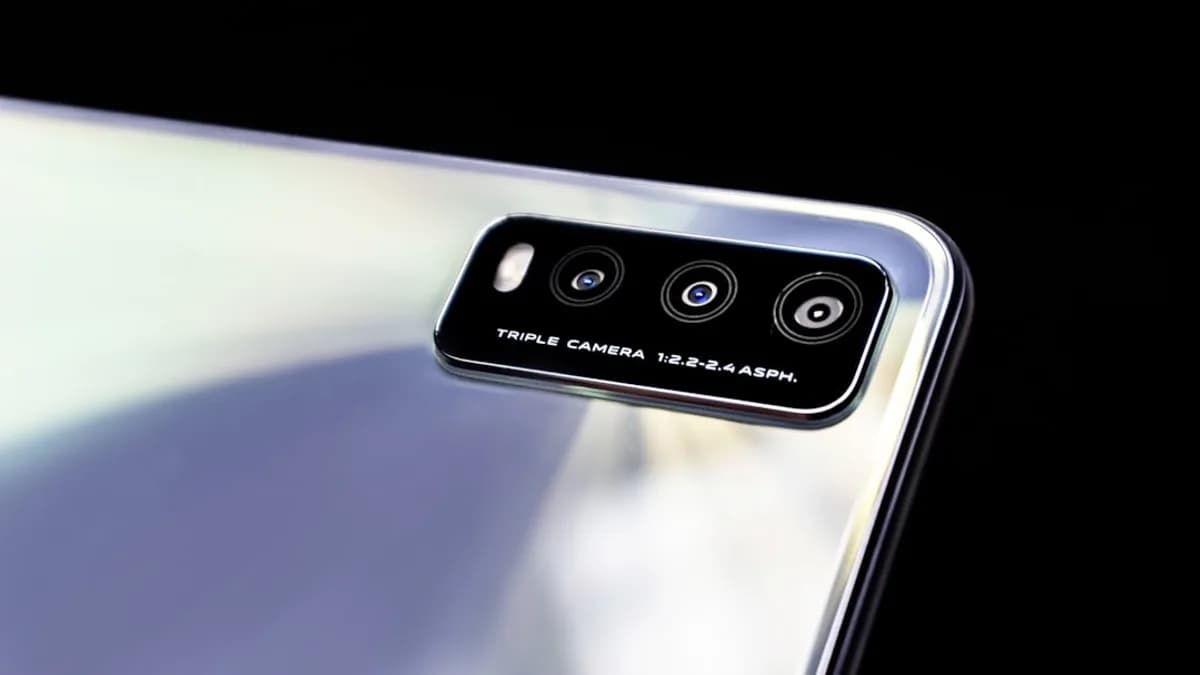
The influence of Apple’s design choices on Android flagships is increasingly evident. Recent leaks and rumors about upcoming Android devices—such as those from Samsung, Xiaomi, and OnePlus—show a clear trend toward adopting design elements reminiscent of the iPhone 18 Pro [Source: Source]. Whether it’s the use of symmetrical bezels, flat edges, or revamped camera modules, Android brands are aligning their aesthetics with the premium cues established by Apple.
This trend isn’t accidental. For Android manufacturers, following Apple’s lead has strategic advantages. Apple’s design language is synonymous with luxury and innovation, and mimicking it can help Android brands attract customers who value these qualities. Moreover, Apple’s choices often signal what consumers expect in a flagship phone, pushing Android makers to incorporate similar features to maintain competitiveness.
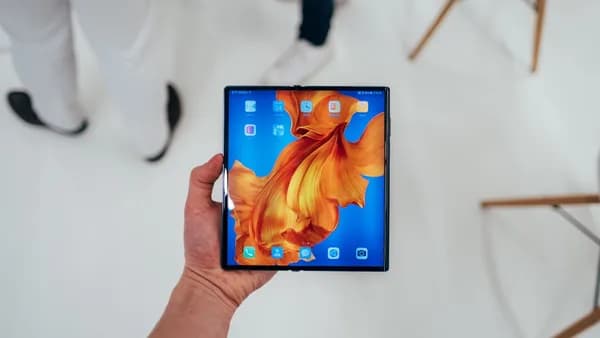
Yet, this pattern raises questions about innovation within the Android ecosystem. While Apple has historically set the bar for design and usability, Android’s strength has always been its diversity—ranging from bold experimental form factors to unique software experiences. As more Android brands move toward Apple-inspired designs, the risk is that differentiation may suffer. Consumers could be faced with a sea of devices that look and feel increasingly alike, diluting the distinctiveness that once defined Android.
Nevertheless, it’s not all imitation. Some Android brands use Apple-inspired cues as a foundation, then layer on their own innovations—be it foldable screens, ultra-fast charging, or AI-powered camera features. The challenge, however, is to ensure that inspiration doesn’t devolve into mere copying.
The Pros and Cons of Android Following Apple’s Design Path
For consumers, the convergence of Apple and Android design philosophies has tangible benefits. Proven features, such as robust build quality, intuitive button placement, and visually appealing layouts, become more widely available. Android devices that incorporate Apple-inspired design elements may offer a more refined user experience, bridging the gap for users who appreciate Apple’s aesthetics but prefer Android’s ecosystem.
However, there are downsides. As Android manufacturers increasingly mimic Apple, the diversity that once made Android so appealing could diminish. Unique form factors—like curved screens or modular designs—may become rarer, replaced by a homogenized look across brands. This could stifle innovation, leading to a market where differentiation is limited to specs rather than bold design choices.
Brand identity is also at stake. For companies like Samsung and Xiaomi, whose histories are rooted in distinctive design philosophies, the move toward Apple-esque aesthetics may undermine their unique positioning. Consumers may struggle to distinguish between devices, making brand loyalty harder to cultivate. While short-term sales gains might be achieved by riding the coattails of Apple’s design success, long-term brand strength relies on originality and vision.
Opinion: Why Android Should Balance Inspiration with Originality
There’s no denying that Apple’s design leadership has propelled the entire smartphone industry forward. Android manufacturers benefit from adopting proven concepts, but true innovation requires more than imitation. The healthiest smartphone market is one where inspiration sparks creativity, not conformity.
Android brands should use Apple’s successes as a springboard, not a blueprint. While adopting certain features—like improved camera modules or minimalist aesthetics—can elevate Android devices, originality remains crucial. Android’s legacy is built on variety, experimentation, and pushing boundaries. Now is the time for manufacturers to double down on that spirit, exploring new materials, form factors, and interface paradigms.
One avenue is leveraging Android’s openness to experiment with tech that Apple may not pursue, such as foldables, rollable displays, or AI-driven user interfaces. Another is focusing on regional customization and niche features that cater to diverse user needs. By blending Apple-inspired refinement with their own bold ideas, Android brands can deliver devices that are both familiar and fresh.
Ultimately, the smartphone market thrives on competition and diversity. Android manufacturers have the opportunity—and the responsibility—to ensure that inspiration doesn’t give way to imitation, but instead drives the next wave of innovation.
Conclusion: The Future of Smartphone Design in a Post-iPhone 18 Era
As Apple prepares to launch the iPhone 18 Pro with its bold new look and camera advancements, the ripple effect across the smartphone industry is undeniable [Source: Source]. Android flagships are poised to embrace some of Apple’s design cues, aiming to match the allure and functionality that consumers crave. But as the lines between iOS and Android aesthetics blur, it’s vital for Android brands to innovate thoughtfully, preserving the diversity and creativity that define the platform.
The coming years will reveal whether Android manufacturers can strike the right balance—using Apple’s inspiration as a catalyst for original ideas rather than a template for imitation. One thing is certain: the evolution of smartphone design is accelerating, and the winners will be those who combine proven concepts with unique vision, driving the industry forward in unexpected and exciting ways.