Introduction: The New Era of Foldable Smartphones
The foldable smartphone market has rapidly evolved from a niche experiment to one of the industry’s most compelling frontiers. Over the past few years, major brands like Samsung and Huawei have refined their designs, addressing early durability issues and pushing the boundaries of mobile innovation. Yet, despite impressive strides, the much-hyped foldable redesigns from market leaders like Samsung and the ever-secretive Apple have often left consumers wanting more—a truly new take on the form factor, not just incremental upgrades.
Now, a significant leap has arrived from an unexpected direction. Huawei’s new foldable device, the Pura X Max, is making headlines for its unique wide foldable design, signaling a major shift in how flagship foldables might look and function in the future. This article rounds up the latest developments in the foldable smartphone space, examining how Huawei’s bold move could reshape industry expectations and what it means for competitors like Samsung and Apple [Source: Source].
Huawei’s Pura X Max: The Wide Foldable Innovator
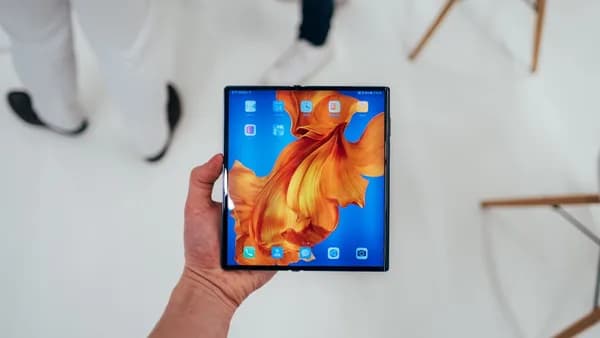
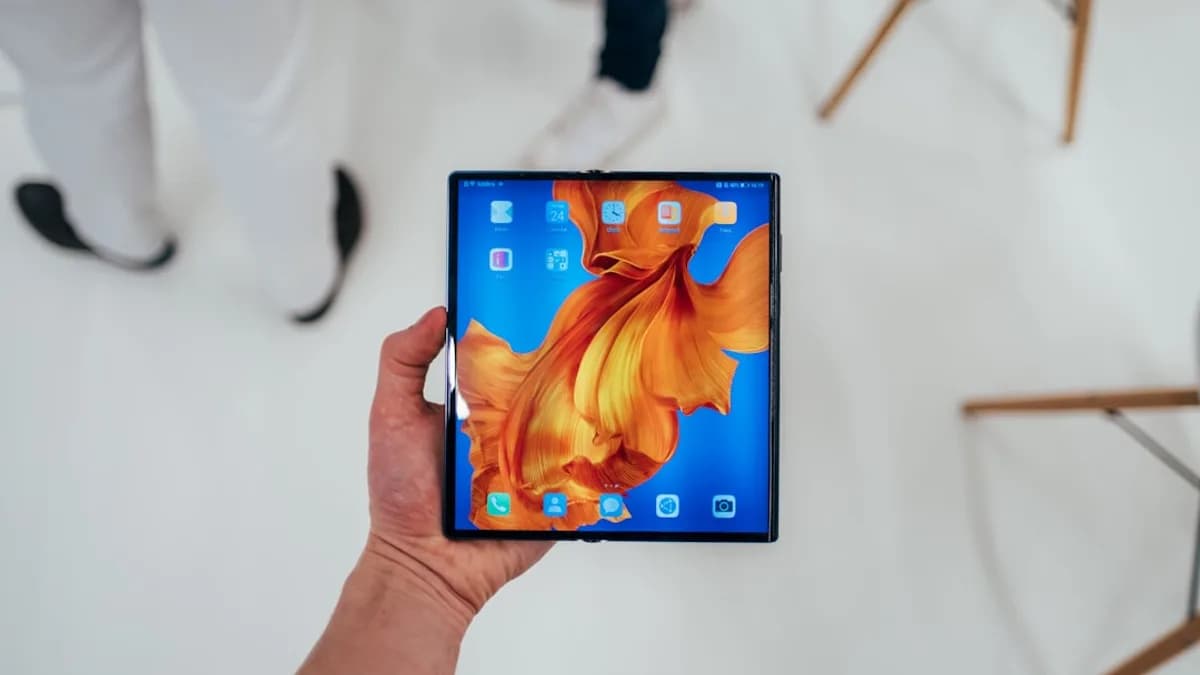
Huawei has officially taken the wraps off the Pura X Max, a device that’s already being described as a game-changer in the foldable segment. Unlike the vertical, book-style foldables popularized by Samsung’s Galaxy Z Fold series, the Pura X Max introduces a wide foldable design. This approach allows the device to unfold into a much broader, tablet-like display, offering users a more immersive, expansive screen for productivity, entertainment, and multitasking [Source: Source].
Leaked images and early hands-on impressions reveal a sleek, premium chassis with minimal bezels and a hinge mechanism that appears robust and refined. The Pura X Max’s folding technology enables the screen to lay almost completely flat when opened, minimizing the crease that has plagued earlier foldables. According to reports, Huawei has also focused on optimizing the user interface to take full advantage of the wide aspect ratio, making split-screen usage and cross-app workflows feel natural and intuitive [Source: Source].
Compared to traditional foldables like Samsung’s Galaxy Z Fold5, which emphasize vertical expansion, Huawei’s wide design offers a fresh alternative that could appeal to users seeking a tablet-like experience in their pocket. Industry insiders note that Huawei Device Chairman has been personally involved in exploring the Pura X Max’s capabilities, hinting at the company’s high expectations for this launch and its broader foldable strategy [Source: Source].
Anticipation is high as Huawei prepares to launch the Pura X Max next week. Analysts predict strong demand, particularly in markets where Huawei maintains a significant brand presence. The wide foldable format could give Huawei a critical edge, especially if the device delivers on its promise of durability, usability, and high-end performance. As the first major wide foldable on the market, the Pura X Max is poised to set a new benchmark for competitors to follow [Source: Source].
Samsung and Apple: The Foldable Redesigns We’ve Been Waiting For
Samsung has long dominated the global foldable smartphone market with its Galaxy Z Fold and Z Flip series. Each generation has seen improvements in hinge technology, display resilience, and software features. However, the core design language—vertical folding—remains largely unchanged. While Samsung’s strategy has focused on refining its established models, many industry watchers and consumers have hoped for a more radical redesign, potentially introducing a wider or more versatile foldable concept [Source: Source].
Meanwhile, Apple’s entry into the foldable race remains one of the tech world’s most anticipated moves. Rumors and patent filings suggest Apple is exploring several foldable form factors, but there’s no official confirmation or timeline. The industry widely expects that Apple’s first foldable device will prioritize user experience, durability, and a seamless transition between folded and unfolded modes. However, the lack of concrete information has left a gap for competitors to innovate and capture consumer attention [Source: Source].
Huawei’s Pura X Max challenges both Samsung and Apple by offering a genuinely new take on foldable design. Its wide format presents a direct response to the limitations of vertically-folding devices, providing a more tablet-like experience without compromising portability. Should the Pura X Max gain traction, it could force Samsung and Apple to accelerate their own redesigns or rethink their approach to foldable devices entirely.
The competitive pressure is particularly acute for Samsung, which has staked its reputation on leading the foldable market. Apple, known for its cautious approach to new form factors, may use Huawei’s wide foldable as a case study in consumer adoption and technical execution. In both cases, Huawei’s innovation is likely to influence the direction of future foldable devices from the industry’s biggest players [Source: Source].
Industry Reactions and Market Implications
The debut of Huawei’s Pura X Max has sparked strong reactions across the tech industry. Media outlets and analysts have praised the company’s boldness in rethinking the foldable format, with some calling it “the foldable redesign we’ve been waiting to see from Samsung and Apple” [Source: Source]. Early impressions suggest that the wide form factor could address many of the practical shortcomings of current foldables, such as limited screen real estate and awkward aspect ratios.
Consumer interest in foldable devices continues to grow, especially as prices become more competitive and designs mature. Surveys indicate that users are increasingly willing to consider foldables as their primary device, provided concerns around durability and software support are adequately addressed. The Pura X Max’s focus on a broad, immersive display and a seamless folding experience could resonate with this audience, accelerating mainstream adoption.
Competitors are taking note. The introduction of a wide foldable is likely to influence product roadmaps across the industry, prompting brands to experiment with new hinge designs, aspect ratios, and user interface paradigms. If Huawei’s innovation proves successful, it may usher in a new era of foldable devices that blur the line between smartphone and tablet, driving further differentiation in a market that has, until now, been defined by incremental change.
Beyond the immediate competitive implications, Huawei’s move highlights the ongoing importance of hardware innovation in shaping user experience. As foldable technology matures, the emphasis will shift from novelty to genuine utility, with wide foldables like the Pura X Max potentially leading the way [Source: Source].
Conclusion: What the Future Holds for Foldable Smartphones
Huawei’s introduction of the Pura X Max marks a turning point in the foldable smartphone market. By embracing a wide foldable design, Huawei has challenged industry norms and set a new bar for what consumers can expect from premium devices. This innovation is likely to trigger a period of rapid evolution, as Samsung, Apple, and other manufacturers reassess their strategies and consider bolder approaches to foldable technology [Source: Source].
Looking ahead, the success of the Pura X Max could accelerate the adoption of foldables worldwide, encouraging further investment in durability, user interface enhancements, and new form factors. As competition intensifies, consumers stand to benefit from greater choice and more compelling devices that seamlessly blend smartphone convenience with tablet functionality.
Ultimately, the arrival of wide foldables signals the beginning of a new era—one where innovation in hardware design is once again at the forefront of the mobile experience. As the industry responds, the coming years promise to be some of the most exciting yet for foldable technology and the consumers who embrace it.