Introduction: Netherlands Leads Europe in Tesla FSD Approval
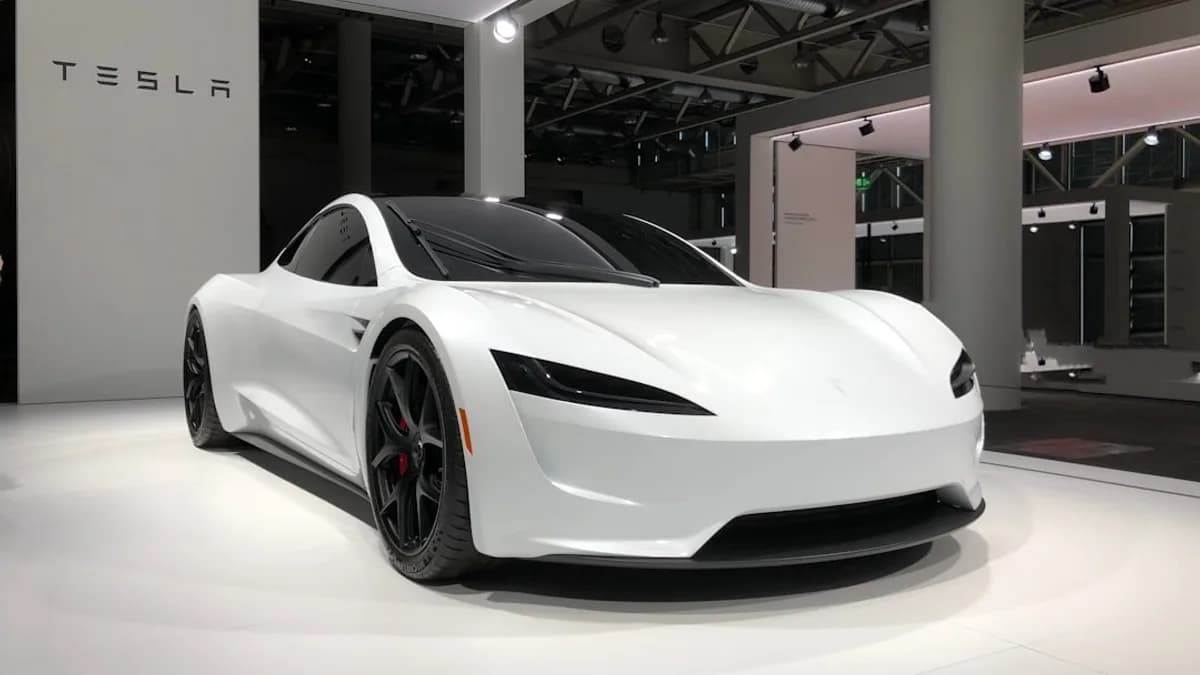
The Netherlands has taken a bold step forward in automotive innovation by becoming the first European country to approve Tesla’s Full Self-Driving (FSD) Supervised system for use on public roads. Dutch vehicle regulatory authority RDW made the announcement after more than a year and a half of rigorous testing, marking a significant milestone for both Tesla and the wider European market [Source: Source]. This approval positions the Netherlands as a pioneer in embracing advanced driver assistance technology, particularly fitting given Tesla’s European headquarters is located in Amsterdam. As Europe grapples with the future of autonomous vehicles, the Dutch move could signal a shift toward broader acceptance and integration of supervised self-driving systems across the continent.
Details of the RDW Approval and Testing Process
The RDW’s decision to authorize Tesla’s FSD Supervised system follows a meticulous evaluation period that lasted over eighteen months. During this time, regulators assessed the technology’s performance in real-world scenarios, scrutinizing its reliability, safety features, and adaptability to Dutch road conditions [Source: Source]. The approval was not granted lightly; RDW imposed strict requirements, ensuring that the system operates within a framework that prioritizes safety and driver responsibility.
A key feature of FSD Supervised is that it does not confer full autonomy to the vehicle. Instead, it supports the driver with advanced assistance functions, such as automated lane changes, traffic-aware cruise control, and navigation on autopilot. However, the driver remains responsible for monitoring the environment and intervening when necessary. RDW emphasized this point in its statement: “Using driver assistance systems correctly makes a positive contribution to road safety because the driver is supported in their driving task…” [Source: Source]. This underscores the “supervised” aspect, meaning that while the car can handle many driving tasks, human oversight is paramount.
The evaluation process included extensive field tests, simulations, and consultations with safety experts. RDW examined how FSD responded to complex urban environments, rural roads, and various weather conditions. The regulator also set out guidelines for Tesla and drivers, such as mandatory training and clear instructions on system limitations. Only vehicles equipped with the latest hardware and software updates are eligible to use FSD Supervised in the Netherlands, ensuring that safety standards remain high.
Implications for Tesla and the European Market
The Netherlands’ approval of Tesla’s FSD Supervised technology could have far-reaching consequences for Tesla’s operations and the broader European automotive landscape. As the first EU country to grant such authorization, the Netherlands may serve as a model for other nations considering similar moves. This could accelerate Tesla’s sales and adoption of advanced driver assistance systems across Europe, as regulatory barriers begin to soften [Source: Source].
Amsterdam's role as Tesla’s European headquarters is especially significant. The city is a logistical and strategic hub, making it an ideal launching point for rolling out new technologies. The regulatory green light from Dutch authorities positions Tesla to expand its influence, not just in the Netherlands but throughout the region. Other EU member states often look to Dutch regulatory practices as benchmarks, so RDW's approval could spark a wave of evaluations and potential authorizations elsewhere.
From a business perspective, this move strengthens Tesla’s competitive edge. European automakers have been racing to develop their own autonomous driving solutions, but regulatory uncertainty has often slowed progress. With the Netherlands setting a precedent, Tesla may gain early access to markets that have historically been cautious about self-driving technology. This could also prompt European regulators to harmonize standards for autonomous vehicles, creating a more unified and predictable environment for innovation.
Furthermore, the Netherlands’ reputation as a forward-thinking, tech-friendly nation adds weight to the approval. The country’s robust infrastructure, high urban density, and commitment to sustainability make it an ideal testbed for cutting-edge mobility solutions. The regulatory approval may also encourage other manufacturers to invest in autonomous technologies, driving competition and potentially accelerating the rollout of safer, smarter vehicles across Europe.
Safety Considerations and Public Reception
Safety remains the central concern in the deployment of Tesla’s FSD Supervised system, both for regulators and the public. The RDW’s decision was shaped by a commitment to ensuring that driver assistance technologies genuinely enhance road safety without undermining driver vigilance. As the system is "supervised," drivers must remain fully engaged, ready to take control at any moment. This approach aligns with the RDW’s assertion that “correct use of driver assistance systems” can positively impact safety [Source: Source].
Public and expert reactions to the approval have been mixed. Some see the Netherlands’ move as a progressive step toward safer roads and more efficient transportation, while others caution that autonomous systems are not yet foolproof. Concerns include the potential for driver complacency, technical limitations in unpredictable situations, and the readiness of infrastructure to support such advanced systems. The RDW’s thorough testing process has alleviated some fears, but skepticism persists, particularly in countries where autonomous driving remains controversial.
Comparatively, other European nations have taken a more conservative stance. Germany, France, and the UK require strict supervision and limit advanced driver assistance systems to controlled environments or pilot projects. The Netherlands’ approval may prompt these countries to revisit their policies, but regulatory harmonization will likely depend on further real-world data and ongoing safety assessments.
Challenges remain, including the need for public education, transparent reporting of incidents, and continuous improvement of the technology. The Dutch experience will be closely watched by policymakers, automotive manufacturers, and the public, as the balance between innovation and safety continues to evolve.
Conclusion: A Milestone for Autonomous Driving in Europe
The Netherlands’ decision to approve Tesla’s FSD Supervised system represents a watershed moment for autonomous vehicle technology in Europe. By leading the continent in regulatory acceptance, Dutch authorities have not only paved the way for Tesla but also signaled a broader openness to innovation in mobility [Source: Source]. The move is likely to inspire further regulatory developments, encourage manufacturers to invest in advanced driver assistance systems, and shape the future of road safety and transportation across the EU.
Looking ahead, the approval sets the stage for ongoing dialogue between regulators, technology companies, and the public. As autonomous driving technologies mature, the focus will remain on ensuring that safety and supervision are never compromised. The Netherlands’ pioneering role may ultimately drive a new era of regulated, responsible, and innovative mobility in Europe, redefining how people and goods move across the region.