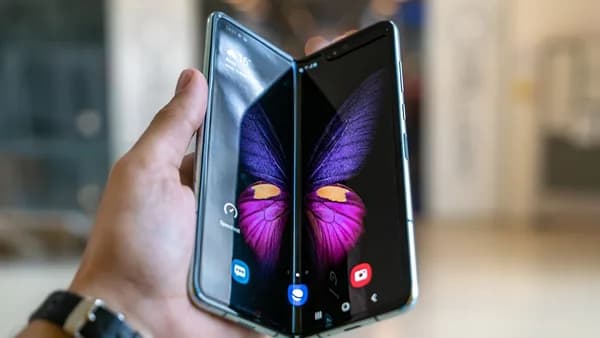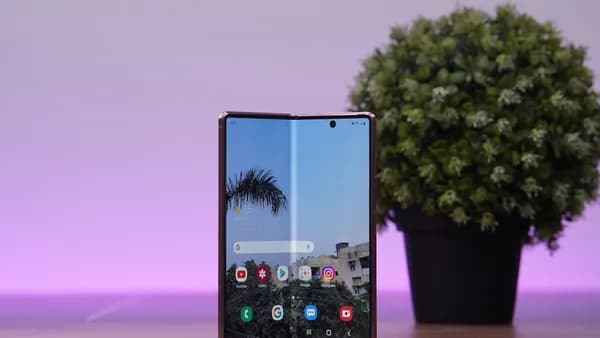
Four capture modes are the real story of the Motorola Razr Ultra 2026, not the fact that it folds.
4 postures turn the Razr Ultra 2026 into more than a nostalgia flip phone
Motorola’s new foldable, also called the Razr 70 Ultra, uses its hinge as a shooting tool: tent mode for hands-free recording, camcorder mode for steadier horizontal video, portrait-style tabletop shooting, and selfies through the external display using the main camera, according to Notebookcheck.
That is the useful part. Foldables often get judged by spectacle: the snap, the crease, the retro silhouette. The Razr Ultra 2026 makes a sharper argument. Its value depends on whether folding solves daily capture problems better than a normal slab phone.
Motorola’s pitch is clearest when the fold becomes part of the shooting process. The point is not only that the phone closes into a smaller shape. It is that the same hinge can create stable angles, easier framing, and hands-free positions for common photo and video situations.
MLXIO analysis: the Razr 70 Ultra’s most credible differentiator is not that it replaces a camera rig. It does not. It is that it can sometimes remove the need for a hand, a stand, or a second person.
Tent mode and camcorder mode show why partial folding matters
The most practical feature in Notebookcheck’s test is tent mode. The phone can sit like a small tripod, with the cameras aimed steadily at a subject. That enables selfies or social video without someone holding the device.
Camcorder mode is more unusual. The phone is held horizontally, with one half gripped in the hand and the camera half pointed forward. Notebookcheck says this can create a steadier image even without a gimbal. That does not turn the Razr Ultra 2026 into dedicated video gear, but it does make the body shape part of the camera design experience.
Portrait shooting adds another posture. Open the phone halfway, place it on a table, and the device can hold a vertical shooting angle. That makes the fold useful for shots where a normal phone would need a tripod, a prop, or a very steady hand.
| Razr Ultra 2026 mode | What the fold enables | Source-supported use case |
|---|---|---|
| Tent mode | Phone stands on its own | Selfies or social video without another person filming |
| Camcorder mode | Horizontal grip with camera half facing subject | Steadier handheld video without a gimbal |
| Portrait tabletop mode | Half-open vertical positioning | Portrait-oriented shots with less camera shake |
| External-display selfie mode | Main camera preview on outer screen | Selfies using the main camera |
The outer display matters because it can act as a framing aid when the main camera is facing the user. That changes the usual selfie compromise: instead of relying on the inner camera, users can compose themselves with the stronger camera side pointed forward.
MLXIO analysis: this is where the phone feels less like a folding screen and more like a reconfigurable camera body. The value is in how grip, preview, and shooting angle change from one posture to another.
Outer display, capture flexibility, and open questions define the trade-off
The strongest practical idea in the available source is the external display as a viewfinder. It is not just a notification window in this use case. It becomes part of the capture system.
That matters because the Razr 70 Ultra’s camera argument is not simply about raw image quality. Based on the supplied material, the clearer claim is about flexibility: the phone can be positioned in ways that a conventional slab phone usually cannot manage without accessories or improvisation.
The pitch is not: buy this because it is automatically the best camera phone. The pitch is: buy this because it may let you capture in ways a regular flagship may not.
That distinction is important. The supplied material demonstrates several use cases, but it does not provide enough detail to settle every buying question around specifications, endurance, durability, or long-term wear. Those remain areas cautious buyers would still want to check before treating flexibility as daily utility.
Verified from the source:
- Device naming: The phone is described as the Motorola Razr Ultra 2026 and Razr 70 Ultra.
- Use cases: Tent mode, camcorder mode, portrait tabletop shooting, and main-camera selfies are demonstrated.
- External screen role: The outer display is used as part of the selfie framing experience.
- Video handling: Camcorder mode is presented as a way to hold the device more steadily for horizontal recording.
Not established in the supplied material:
- Exact outer-display size: No source-backed size is available in the supplied material.
- Durability and endurance: The supplied material does not settle long-term hinge wear, battery life, or repair-cost questions.
- Camera ranking: The supplied material does not establish a full image-quality or zoom comparison against conventional high-end phones.
MLXIO analysis: that makes the Razr Ultra 2026 a workflow-first device. Its premium case depends less on isolated spec claims and more on whether the folding mechanics reduce friction in real shooting.
Seventh-generation Razr shifts the question from “can it fold?” to “why fold it?”
The Razr brand carries history, but the supplied source focuses on the modern device’s use cases rather than nostalgia. That is the correct lens.
A foldable phone no longer wins attention simply by opening and closing. The harder test is whether partial folding creates useful states between phone and camera stand. The Razr Ultra 2026’s answer is practical: use the hinge to aim, stabilize, preview, and control shots in more positions.
This is most visible in the way the device changes posture for different tasks. Tent mode turns the phone into its own stand. Camcorder mode changes the grip for horizontal recording. Portrait tabletop mode creates a vertical shooting angle without extra gear. External-display selfies let users frame themselves while pointing the main camera forward.
Together, those modes make the fold feel less like a gimmick and more like a set of shortcuts. The question is whether those shortcuts become natural enough that users reach for them without thinking.
Creators get the clearest case; cautious buyers get the longest checklist
The Razr Ultra 2026’s best audience, based on the source material, is anyone who records themselves often. Tent mode removes the need for someone behind the camera. Camcorder mode gives a firmer grip for video. The external display lets users frame selfies through the main camera.
Everyday users may find smaller conveniences: placing the phone on a table for a portrait shot, using it hands-free for quick clips, or avoiding an improvised stand. Those are modest gains. But modest gains become meaningful if they repeat every day.
Skeptics should focus on the gaps without overstating them. The supplied material is centered on possible applications, not a full technical review. It does not answer every long-term ownership question, and it does not prove that flexibility outweighs the advantages of a conventional flagship for every buyer.
That does not weaken Notebookcheck’s core observation. It clarifies it. The Razr 70 Ultra appears strongest as a flexible capture device, not as a simple camera-spec contest.
The real test is whether these modes become muscle memory
The Razr Ultra 2026 points toward a simple test for foldables: do users keep folding the phone into special positions after the novelty fades?
Evidence that would strengthen Motorola’s case is straightforward. Users would need to keep using tent mode for social video, camcorder mode for handheld recording, and the external display for main-camera selfies because those workflows feel faster than opening the phone normally or reaching for accessories.
Evidence that would weaken the case is just as clear. If owners mostly use the Razr 70 Ultra like a standard phone, then the hinge becomes harder to justify. If conventional camera performance matters more to a buyer than shooting flexibility, a traditional high-end phone may still make more sense.
The Razr Ultra 2026’s case therefore rests on repeated behavior. If the postures become habits, the fold has a purpose. If they remain demonstrations, the hardware risks feeling more clever than necessary.
Key Takeaways
- The Razr Ultra 2026 uses its hinge as a practical camera tool, not just a foldable gimmick.
- Its four capture postures can reduce the need for a tripod, extra hand, or second person.
- The phone’s value depends on whether these modes solve everyday photo and video problems better than a standard slab phone.