Updated: Refreshed with current market context, cleaner pricing language, less speculative charging claims, and updated mid-range comparisons.
iQOO Launches Z11 and Z11x Smartphones in Malaysia with High-End Specs
iQOO has launched the Z11 and Z11x smartphones in Malaysia, marking the Z11 series’ first major rollout outside China and giving the brand another aggressive play in Southeast Asia’s crowded mid-range phone market. The headline spec is hard to miss: the iQOO Z11 pairs a huge 9,020mAh battery with 90W wired charging, a combination that immediately separates it from most mainstream mid-range Android phones.
According to Gsmarena, the Z11 features a 6.83-inch AMOLED display with a 144Hz refresh rate and 1260x2800 resolution. Qualcomm’s Snapdragon 7s Gen 4 sits at the core, positioning the device as a performance-focused option for buyers who want strong gaming, multitasking, and battery endurance without moving into flagship pricing.
The camera setup is straightforward but competitive for the segment: a 50MP main rear camera and a 32MP selfie camera. The Z11 is being offered in Malaysia in two configurations: 8GB of RAM with 256GB of storage for MYR 1,599, and a 12GB/256GB model for MYR 2,199. Based on current exchange-rate ranges, that puts the phone roughly in the mid-$300 to upper-$400 bracket, though final pricing will vary by market, taxes, and retailer promotions.
Both Z11 variants share the same 213g body, measuring 163.73 x 76.18 x 8.25 mm. That weight is notable but not surprising given the battery capacity. The Z11x, meanwhile, serves as the more affordable sibling, aimed at users who still want iQOO’s performance-and-battery-first formula at a lower entry price.
This launch reinforces iQOO’s strategy in Southeast Asia: compete hard on specs that buyers can immediately understand — battery size, display speed, charging, and chipset performance.
How iQOO Z11 and Z11x Stand Out in the Mid-Range Smartphone Market
The iQOO Z11 arrives at a time when the mid-range category is more competitive than ever. Brands like Xiaomi, Realme, OnePlus, Samsung, Honor, and Vivo are all fighting for buyers who want flagship-adjacent features at a lower price. That has pushed once-premium features — high-refresh OLED displays, fast charging, large storage options, and better chipsets — deeper into the mainstream.
Even in that environment, the Z11’s 144Hz AMOLED panel is a strong selling point. Many mid-range phones still sit at 120Hz, which is already smooth, but 144Hz gives iQOO a spec-sheet advantage for gaming and fast scrolling. The difference will matter most to mobile gamers and users who spend a lot of time in high-frame-rate apps, though everyday users should also benefit from the sharp 1260x2800 resolution and AMOLED contrast.
The Snapdragon 7s Gen 4 is another important piece of the pitch. It does not compete directly with Qualcomm’s top 8-series chips, but it is designed to deliver efficient performance in upper-mid-range phones. That means the Z11 should be better suited to sustained gaming, app switching, and longer-term software demands than entry-level 5G devices built around older Snapdragon 6-series or lower-end MediaTek Dimensity chips.
The biggest differentiator, however, is still the 9,020mAh battery. Most mainstream mid-range phones continue to land between 5,000mAh and 6,000mAh, while some newer models using silicon-carbon battery technology have pushed beyond 7,000mAh. The Z11 goes further, offering capacity that should appeal to heavy users, travelers, mobile gamers, and anyone who prioritizes endurance over having the thinnest possible phone.
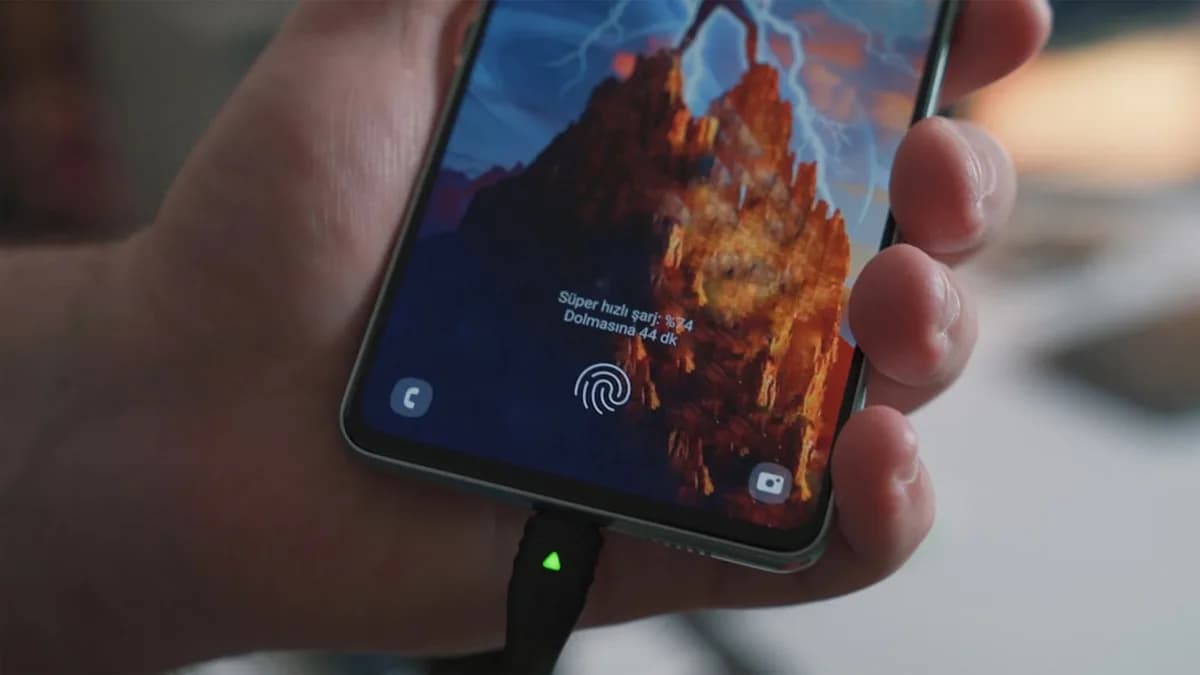
The 90W charging support helps offset the larger battery. A pack this big will naturally take longer to fill than a typical 5,000mAh cell, so buyers should be cautious about assuming ultra-fast full-charge times. Still, 90W charging should make short top-ups practical, which is often more important in daily use than the exact zero-to-100% figure.
On value, iQOO is targeting spec-focused buyers who might otherwise compare the Z11 against devices in Xiaomi’s Redmi Note Pro line, Samsung’s Galaxy A-series, OnePlus Nord models, Realme’s numbered Pro series, and Vivo’s own mid-range offerings. The Z11’s pitch is simple: more battery, a faster display, strong RAM/storage options, and charging that remains ahead of what many rivals offer at similar prices.
What to Expect Next for iQOO’s Expansion Beyond China
Malaysia looks like a strategic launch market rather than a one-off. iQOO and parent company Vivo have often used Southeast Asia as a proving ground for international releases, especially for performance-focused mid-range devices. If the Z11 series performs well, wider availability across markets such as Indonesia, Thailand, Vietnam, and possibly the Middle East would be a logical next step.
India will also be worth watching, though iQOO often adjusts naming, pricing, and specifications by region. A phone launched in Malaysia does not always arrive unchanged elsewhere, especially when brands tune models around local 5G bands, retail partnerships, charger-in-box rules, and competitive pricing pressure.
Software support remains one area buyers should examine closely before purchasing. iQOO’s international phones typically run Funtouch OS outside China, and the experience has improved over time. Still, Samsung and Google continue to set the pace for transparent update commitments in many markets. Buyers considering the Z11 should check the local update policy for Android version upgrades and security patch frequency, especially if they plan to keep the phone for three years or more.
Retail availability will also matter. A strong spec sheet can generate attention, but iQOO’s ability to keep the Z11 and Z11x in stock, maintain launch pricing, and offer credible after-sales support will determine whether the series can challenge more established mid-range players. Online flash sales may create early buzz, but broad availability through major e-commerce platforms and physical retailers will be key to sustained momentum.
The larger trend is clear: mid-range phones are no longer competing only on cameras and design. Battery capacity has become a major battleground, especially as users spend more time gaming, streaming, navigating, and using mobile data. With the Z11, iQOO is leaning into that shift more aggressively than most competitors.
For buyers, the Z11 series raises expectations for what a mid-range phone can offer in 2026: a high-refresh AMOLED display, a modern 5G chipset, very large battery capacity, and fast charging without flagship-level pricing. The trade-offs to watch are weight, camera versatility, software support, and regional availability.
The Bottom Line
- The iQOO Z11 brings a 144Hz AMOLED display, Snapdragon 7s Gen 4 chip, 90W charging, and a massive 9,020mAh battery to the mid-range market.
- Malaysia is the first key international launch for the Z11 series, suggesting a broader Southeast Asia push may follow.
- The Z11’s biggest advantage is battery life, but buyers should also check local software support, camera performance, and final retail pricing before choosing it over Xiaomi, Samsung, Realme, or OnePlus rivals.