Why Google’s Gemini Intelligence Could Change How You Use Your Android Phone
Google’s Gemini Intelligence isn’t just a smarter assistant—it’s a shift in what your phone can do for you, quietly, in the background. Announced days ago, Gemini promises to automate multi-step tasks and interact with apps and websites without you lifting a finger. Instead of simple voice commands, imagine handing off a string of tasks and watching your device execute them, start to finish, while you move on to something else. This isn’t just convenience; it’s a glimpse of ambient computing actually working for everyday users.
The catch? Only a handful of the best Android flagships will get Gemini Intelligence at launch, according to Gsmarena. That’s a deliberate move, not a technical error. The new features demand horsepower and security guarantees that most current phones can’t deliver. In a market where AI hype is everywhere, Google is betting that real autonomy—AI taking action for you, not just suggesting—will define the next generation of mobile devices.
What Makes Gemini Intelligence Different from Previous Google AI Features
Gemini Intelligence isn’t a rebrand of Google Assistant or Bard. The new suite goes further, promising a level of autonomy that previous tools never reached. Where earlier AIs waited for explicit commands and usually needed confirmation at every step, Gemini can drive multi-step processes on its own. It sources information, transforms it, and interacts with third-party apps or websites—all in the background. This means your phone can take on more complex tasks, not just fetch data or set reminders.
One standout: the “Rambler” feature coming to Gboard. Rambler is designed for how people actually talk—full of filler words, code-switching, and mid-sentence language changes. Most voice recognition tools stumble when users say “um, ah, well, actually…” or mix English and Spanish in a single request. Rambler’s promise is to keep up, transcribing or interpreting as naturally as you speak, even with all the quirks.
This points to a larger ambition. Gemini isn’t just a helpful overlay; Google wants it to become the backbone for intelligent, hands-off device management. If Gemini works as described, users will see a leap from “AI as a tool” to “AI as an agent”—a phone that acts, not just reacts.
How Gemini Intelligence Automates Multi-Step Tasks on Android Devices
Gemini’s core pitch is real automation. Instead of requiring you to tap through notifications or approve every sub-action, Gemini can complete multi-step flows—like sourcing information from the web, organizing it, and feeding it into apps—entirely in the background. The technical leap here is Gemini’s ability to interact with apps and websites autonomously, not just through scripted APIs but by actually “using” them as a person would.
While Google hasn’t published a list of every supported scenario, the general idea is clear: Gemini can handle sequences that previously required manual effort. A user could instruct their phone to collect information, transform it, and interact with other services, all without direct supervision. The system pings you only when a final confirmation is needed—otherwise, it works quietly on its own.
That autonomy requires both raw processing power and sophisticated AI models running locally. The technical hurdle is ensuring these actions are secure, accurate, and fast enough that they feel seamless rather than experimental. Google is rolling this out carefully because most devices simply don’t have the muscle or security guarantees to pull it off reliably yet.
Which Android Flagship Phones Will Get Gemini Intelligence and Why Availability Is Limited
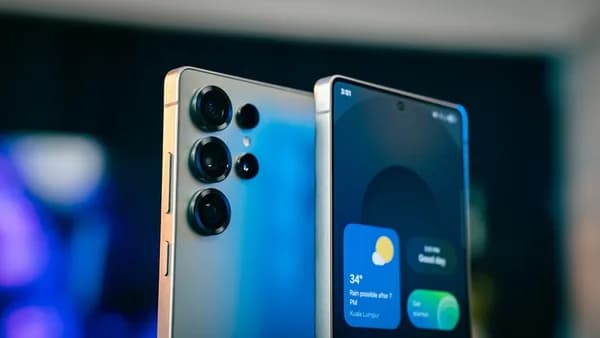
Don’t expect Gemini Intelligence to hit your current Android phone overnight. At launch, only a shortlist of top-tier Android flagships will support it—a restriction confirmed by Gsmarena. Google’s requirements go beyond a recent OS version. Devices need what the company calls “the most advanced capabilities,” which likely means cutting-edge processors, high RAM, advanced media features, and extended security update commitments.
This isn’t just about showing off on new hardware. Gemini’s autonomous features require enough power and security that most older phones (and even some recent midrange models) are out of the running. Google is signaling that the new agent is a flagship differentiator—a reason to upgrade, not just a software add-on.
Analysis: This echoes the early days of Android, when new features often meant buying new hardware. It’s a controversial move, but it sets a high bar for what “on-device AI” will mean in practice.
How the ‘Rambler’ Feature Enhances Multilingual and Natural Speech Interaction on Gboard
Rambler is Google’s answer to how people actually speak—messily, with “ums,” filler phrases, and spontaneous language switches. Where most speech-to-text tools force users to edit themselves or stick to a single language, Rambler promises to take the rough draft of human speech and make sense of it.
Here’s a concrete example: a bilingual user dictating a message might say, “Can you, um, remind me to, este, call mamá after work?” Most existing tools would mangle this or demand a language switch. Rambler, in theory, processes the full sentence, fillers and all, producing clean, natural output while recognizing both English and Spanish in real time.
For multilingual users or anyone who relies on voice for typing—think sending messages while driving, or composing long notes hands-free—this could be a game-changer. It lowers the friction of talking to your phone. The payoff is a more fluid, forgiving interface that adapts to actual speech, not the other way around.
What Remains Unclear About Gemini Intelligence
Several critical questions hang over Gemini’s rollout. Google hasn’t published a full compatibility list, so even flagship owners may be left guessing. Details on exactly which third-party apps and websites Gemini can interact with are thin. Security and user control—how much autonomy users can delegate, and how Gemini handles sensitive information—are still only outlined at the high level.
There’s also the question of how quickly the feature set will expand beyond this initial hardware club. Google is betting big, but so far, the details are guarded.
What to Watch: The Stakes for Android’s Next Generation
The next few months will show whether Gemini Intelligence is a breakthrough or a beta test for the privileged few. If Google’s approach works, rivals and app developers will have to keep pace with a new standard for true device autonomy. But if the rollout is slow or buggy—or if users balk at the hardware requirements—Gemini could become just another tech demo.
For now, Android power users should check their device specs, watch for updates, and keep an eye on how Google navigates the balance between innovation and access. The real verdict will come when users see whether their phones start working for them—or if the promise of hands-free automation stays just out of reach.
Why It Matters
- Google's Gemini Intelligence introduces a new level of AI autonomy on smartphones, potentially changing how users interact with their devices.
- Access to Gemini is limited to only the most powerful Android flagships for now, highlighting growing device requirements for cutting-edge AI features.
- The technology showcases a shift toward ambient computing, where AI handles complex, multi-step tasks seamlessly in the background.