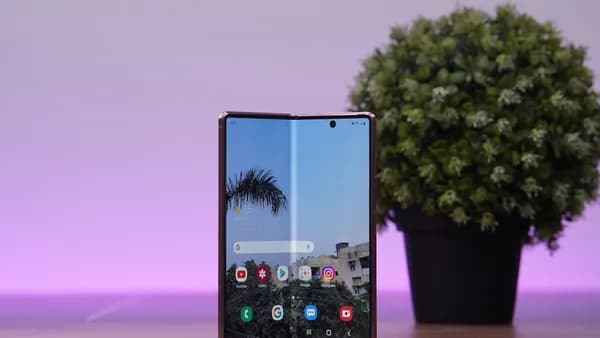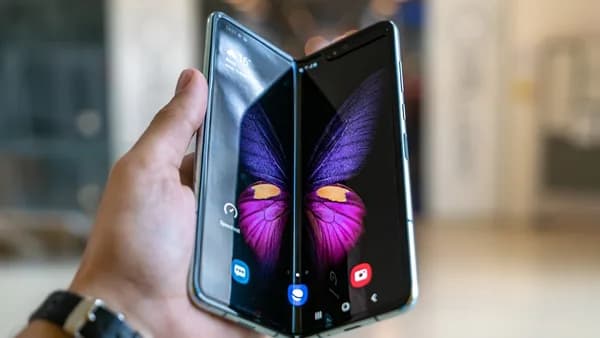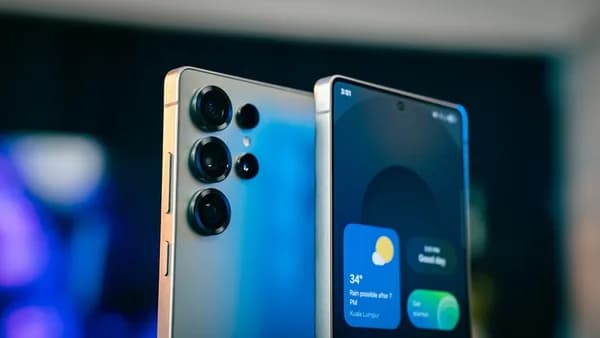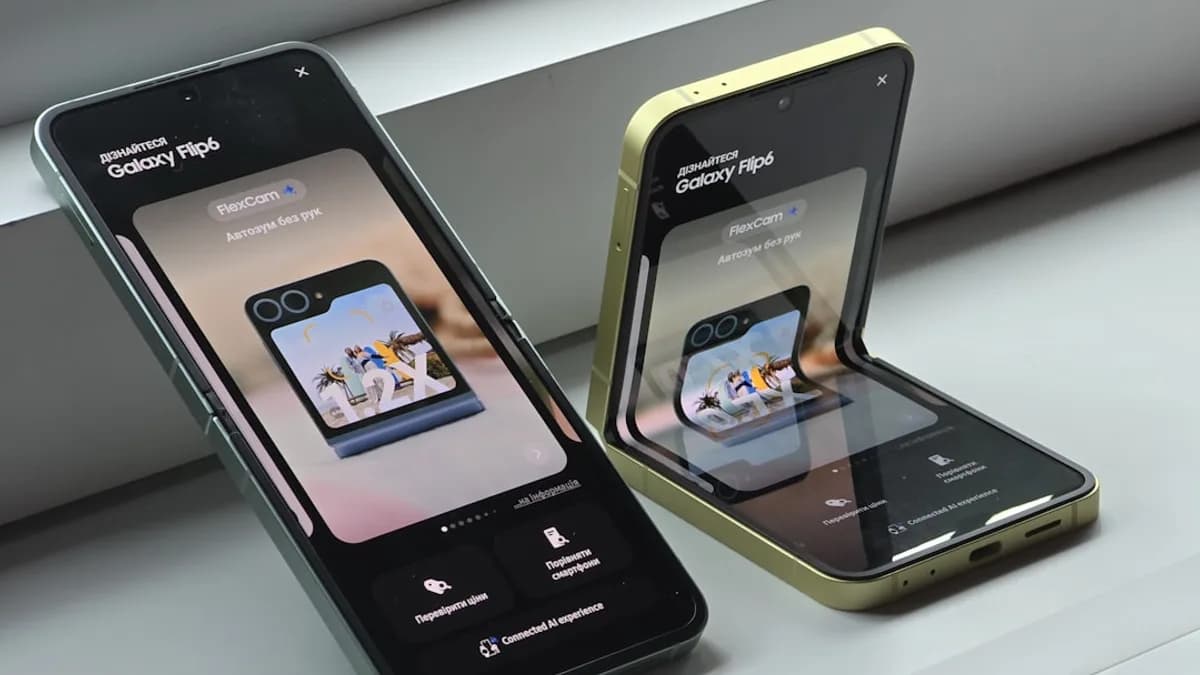
Samsung’s Galaxy Z Flip 8 has cleared a key US certification with satellite-network support listed, but the same filing reportedly shows no Ultra Wideband chip. That matters most for US buyers eyeing Samsung’s next compact foldable: the hardware appears close to launch, but one precision-location feature may still be reserved elsewhere in the lineup.
The Galaxy Z Flip 8 appeared in a US Federal Communications Commission certification under model number SM-F776U, according to Notebookcheck. FCC certification is a required step before a phone can be sold in the US, and it usually exposes wireless capabilities before Samsung publishes final product pages.
Samsung’s launch team has a US-ready Flip 8 filing before the July window
The filing points to a launch getting closer. Notebookcheck reports that the Samsung Galaxy Z Flip 8 is expected to be unveiled at the end of July alongside the Galaxy Z Fold 8, Galaxy Z Fold 8 Wide, and Galaxy Watch Ultra 2.
The immediate question for Samsung is simple: how much of this certified hardware becomes a visible selling point at launch?
For the US model, the listing confirms Wi-Fi 7 (802.11be) with the 6 GHz channel, Bluetooth, NFC, wireless charging, and wireless power share. Those are baseline flagship expectations, but the satellite band is the detail that stands out.
Notebookcheck reports that the integrated 5G modem supports NB-NTN B255, a band used to communicate with a satellite network.
That does not mean Samsung has confirmed a consumer satellite service for the Galaxy Z Flip 8. The filing shows hardware support. It does not settle software features, regional availability, carrier involvement, or whether Samsung will expose the capability at launch.
Samsung’s modem choice puts satellite hardware in the compact foldable
For Samsung’s hardware team, the filing suggests the compact Flip is not being treated as a stripped-down wireless product. The NB-NTN B255 support puts satellite-network communication capability into the US model’s modem stack.
That is significant because the Galaxy Z Flip 7 already had this feature, Notebookcheck says, but availability was limited to a few regions, including the US. The Flip 8 filing suggests Samsung is keeping that path open for the next generation rather than dropping it from the smaller foldable.
The useful buyer question is not “does the modem talk to satellites?” The filing says it supports a satellite-network band. The real question is whether Samsung turns that into a feature users can see, activate, and rely on in their market.
US model gets Snapdragon; Europe may not
Notebookcheck also reports that the US model is to use the Qualcomm Snapdragon 8 Elite Gen 5 for Galaxy. Rumors cited by the outlet suggest the European Galaxy Z Flip 8 may instead use a Samsung Exynos 2600, which Notebookcheck says would make that version slightly less powerful.
That split, if confirmed, would make the US filing especially important. It tells buyers about the American model, not necessarily every regional configuration.
For adjacent Samsung chip coverage, MLXIO has tracked the company’s silicon questions in Snapdragon Bet Could Slash Samsung Galaxy Z Flip 8 Costs. This FCC filing, though, only confirms what appears in the US certification record as reported by Notebookcheck.
Flip buyers may get satellite support, but not UWB precision finding
The missing piece is Ultra Wideband. Notebookcheck says UWB is noticeably absent from the Galaxy Z Flip 8 FCC certification.
For end users, that affects one practical Samsung feature already named in the source: finding a Galaxy SmartTag2 with direction and distance guidance. UWB makes that kind of short-range precision location easier because the phone can identify where the tracker is, not just that it is nearby.
| Feature | Galaxy Z Flip 8 US filing | Galaxy Z Flip 7 context from source |
|---|---|---|
| Satellite-network band | NB-NTN B255 listed | Available, limited to a few regions including the US |
| UWB | Not indicated | Only South Korean Galaxy Z Flip 7 model had UWB |
| Wi-Fi | Wi-Fi 7 with 6 GHz | Source does not compare |
| Wireless charging | Listed | Source does not compare |
| Wireless power share | Listed | Source does not compare |
The buyer question: is satellite-network support more valuable than UWB in a compact foldable?
Samsung’s past split gives the omission context. Notebookcheck reports that only the South Korea model of the Galaxy Z Flip 7 had UWB, while the Galaxy Z Fold 7 shipped worldwide with a UWB chip. If the Flip 8 follows that pattern, Samsung may again leave global UWB support to the larger Fold line, though final specs still need confirmation.
Foldable rivals get a partial signal, not Samsung’s full pitch
For competitors, the FCC listing offers a narrow but useful signal: Samsung appears to be keeping premium wireless hardware in the Flip line while still drawing a feature line between Flip and Fold. The absence of UWB, if confirmed, keeps the compact model from matching the Fold family on every proximity feature.
That matters because the Flip 8 is expected to arrive as the smallest of three foldable phones in Samsung’s next launch group. The filing suggests Samsung can push the Flip 8 as technically current without making it identical to the bigger models.
The competitive question is whether Samsung frames the Flip 8 as a connectivity upgrade, a design refinement, or both.
The source material does not confirm display, camera, battery, durability, or pricing changes. Separate leak coverage around Samsung’s broader foldable slate includes MLXIO’s report on Galaxy Z Fold 8 Leak Reveals Samsung’s iPhone Ultra Bet, but this FCC filing should be read on its own terms: wireless certification, not a full spec sheet.
Samsung still has to confirm which regions get which features
The next checkpoint is Samsung’s official launch. Product pages, carrier listings, and regional spec sheets should confirm whether NB-NTN B255 turns into a consumer-facing satellite feature and whether UWB is truly absent from the US Galaxy Z Flip 8.
Several core details remain unresolved. Samsung has not publicly announced the Galaxy Z Flip 8, and the FCC filing does not answer how satellite support will appear in software, which markets will receive it, or whether every chipset variant will match the US model’s connectivity profile.
The practical takeaway is clear. The Galaxy Z Flip 8 now looks far enough along for US certification, with Wi-Fi 7, NFC, wireless charging, wireless power share, and satellite-network band support in view. But until Samsung publishes final specs, the sharpest read is also the cautious one: satellite hardware appears present, while UWB remains the feature to check before buying.
Key Takeaways
- FCC certification suggests the Galaxy Z Flip 8 is moving closer to a US launch.
- Satellite hardware could become a major safety and connectivity feature if Samsung enables it.
- The reported lack of UWB may limit precision tracking and location-based features for buyers.