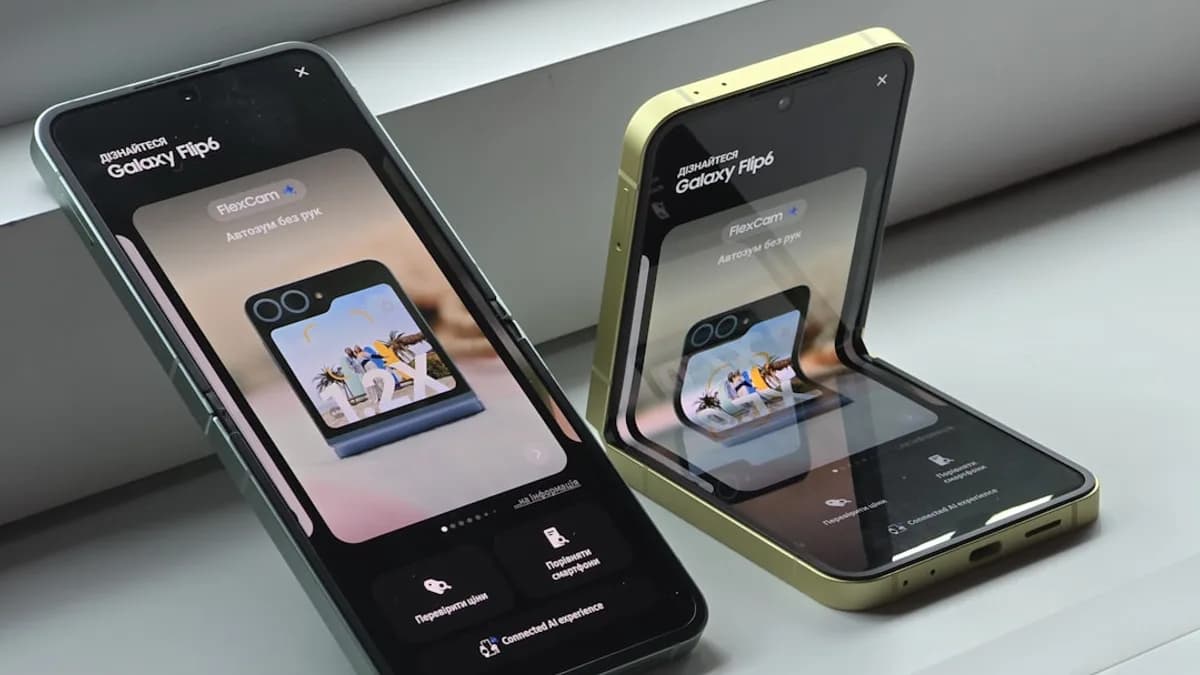
Samsung’s latest folding phone may have already shown the display Apple was waiting for. That matters most to Apple, Samsung Display, and high-end iPhone buyers because the rumored iPhone Ultra is not just another foldable story; it is a test of whether Apple can enter the category without inheriting its most visible flaw.
According to 9to5Mac , Apple has reportedly held back from launching a folding iPhone partly because earlier flexible screens had a visible crease and were vulnerable to damage. Samsung, Apple’s display partner, has now launched the Galaxy Z Fold 8 Ultra, and its new screen offers the clearest preview yet of what Apple may use in the expected iPhone Ultra.
Apple’s concern is not the fold — it is whether the fold still feels experimental
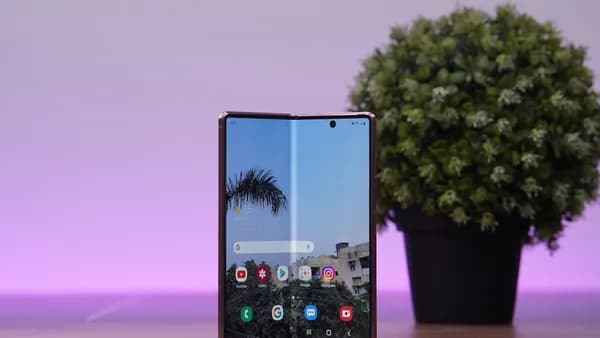
The central signal is simple: crease reduction has moved from concept demo to shipping Samsung hardware. The panel in the Galaxy Z Fold 8 Ultra may not be “100% identical” to the version expected for Apple, 9to5Mac says, but it is likely to be “extremely similar.”
That distinction matters. Apple does not need to be first in foldables. The first folding Android smartphone arrived six years before Apple is expected to introduce its version, according to 9to5Mac. The lesson from that early period was harsh: the first-generation Samsung Galaxy Fold display proved vulnerable enough that Samsung had to withdraw it from sale.
So what has Apple likely been waiting for? Not novelty. Trust.
A visible crease is not only a cosmetic problem. MLXIO analysis: for Apple, it challenges the premium feel of the device every time the screen catches light, every time a finger crosses the center line, and every time a buyer wonders how the panel will age after repeated folds. That is a brand problem as much as a component problem.
“The improvement year-over-year is astonishing […] It’s genuinely a sort of shock coming from the Galaxy Z Fold, which had a dip running down the display. That dip looks like a canyon, now.”
That reaction came from Andrew Romero of 9to5Google, quoted by 9to5Mac after hands-on time with Samsung’s new device.
Samsung Display’s job is to make the crease disappear before Apple makes it famous
The Samsung screen story did not begin with the Galaxy Z Fold 8 Ultra launch. At CES 2026, Samsung Display briefly showed a foldable OLED concept without a visible crease, then removed it from public view. The Verge reported that the display had been set up beside a Galaxy Z Fold 7 for comparison before disappearing from the booth.
Samsung Display’s public position at the time was cautious.
“The foldable panel showcased at the booth was an R&D concept, with no fixed timeline or plan for commercialization,” Rosie Kim, an Omnicom PR spokesperson for Samsung Display, told The Verge.
Now the Galaxy Z Fold 8 Ultra suggests the concept has moved closer to commercial reality. Is this the same panel Apple will use? The sources do not confirm that. But 9to5Mac’s reporting says Samsung “finally solved this to Apple’s satisfaction,” and the latest Samsung foldable is therefore a meaningful proxy.
A separate supply-chain report adds one technical clue. MacRumors reported that analyst Ming-Chi Kuo said Apple’s foldable iPhone would use a metal plate designed to disperse and control stress generated by bending the display, with Fine M-Tec named as the primary supplier of those plates.
That does not prove the iPhone Ultra display is identical to Samsung’s latest foldable panel. It does show that the crease problem is being treated as a structural challenge, not just a surface finish issue.
| Device or display | Source-supported detail | Read-through for Apple |
|---|---|---|
| Galaxy Z Fold 7 | Visible crease shown beside Samsung’s CES concept, per The Verge | Baseline Apple likely wanted to avoid |
| Samsung CES 2026 concept | Described as having no visible crease, then removed from display | Early public hint of the panel direction |
| Galaxy Z Fold 8 Ultra | 9to5Mac says the crease is now barely a faint deviation on an 8-inch internal display | Closest shipping preview of iPhone Ultra expectations |
| Expected iPhone Ultra | Expected with 5.3-inch outer display and 7.6-inch inner display, per 9to5Mac | Apple’s foldable would sit between phone and small tablet behavior |
Buyers will judge the iPhone Ultra by what they can see with the screen off
Apple’s rumored specs are specific enough to sketch the product shape. 9to5Mac says the iPhone Ultra is expected to be unveiled alongside the iPhone 18 Pro in September, with a 5.3-inch outer display and a 7.6-inch inner display.
That implies a book-style device: usable closed, more expansive open. But buyers will not need a teardown to judge whether Apple got the core hardware right. They will look at the inner panel under harsh lighting. They will run a finger across the center. They will check whether the screen still looks premium when it is off.
Can Apple charge Ultra-level attention without Ultra-level polish? That is the real buyer question.
The sources do not provide pricing, repair costs, battery details, weight, or camera trade-offs. Those unknowns matter. A foldable iPhone could carry more perceived risk than a standard slab iPhone because the display is the product. If the crease is visible, the device may feel compromised before buyers even test the software.
MLXIO analysis: the most important early reviews will likely focus less on benchmark performance and more on three tactile judgments:
- Crease visibility: whether the center line appears under direct light.
- Touch feel: whether the fold area creates a noticeable dip.
- Aging confidence: whether repeated folding makes the crease more visible over time.
9to5Mac says Romero found that the predecessor’s crease became more visible after repeated folding and unfolding, but he did not see that in limited hands-on time with the Galaxy Z Fold 8 Ultra. Limited is the key word. Long-term use remains unproven.
Samsung may help Apple enter foldables — then have to compete with the result
Samsung is in an unusual position. Samsung Display is the likely enabler of Apple’s foldable ambitions, while Samsung’s own Galaxy Fold line is the most obvious comparison point once Apple enters. If Apple launches a near-creaseless foldable iPhone, Samsung can claim display leadership even if the iPhone Ultra pressures Galaxy foldables.
Would Apple’s arrival make Samsung’s own crease standards look better, or expose them? That depends on how similar the shipping panels are.
This is where the Galaxy Z Fold 8 Ultra becomes more than a Samsung product launch. It is a public benchmark for the component Apple reportedly wanted fixed. If the panel holds up in real-world use, Apple gains cover for a late entry. If durability or crease visibility worsens over time, the “Apple waited for maturity” thesis weakens.
There is also a broader premium-phone context, though it should not be overstated. Samsung’s high-end roadmap remains under scrutiny in other areas too, as MLXIO recently covered in New Camera Leak Crushes Galaxy S27 Pro Ultra Dreams. Apple, meanwhile, is dealing with separate platform pressure, including issues covered in 14-Agency Search Hands Apple New DOJ Antitrust Ammo. Those stories do not prove anything about the foldable iPhone display. They do show that a new Ultra-tier device would land in a cycle where every premium hardware and platform choice gets picked apart.
The market signal is that foldables are shifting from spectacle to acceptability
The reported iPhone Ultra story is not that Apple found a new shape. Android vendors have been shipping foldables for years. The signal is that Apple may now believe the weakest part of the foldable experience is no longer disqualifying.
That is a narrower claim, but a more useful one.
If the Galaxy Z Fold 8 Ultra’s near-creaseless display represents the same technology family heading into Apple’s device, then Samsung has given the market a live preview of Apple’s threshold for entry. The foldable iPhone does not need to erase every compromise on day one. It does need to avoid looking like a prototype sold at flagship prices.
The next evidence to watch is practical, not promotional:
- Durability over time: whether the Galaxy Z Fold 8 Ultra crease stays faint after extended use.
- Panel similarity: whether supply-chain reporting continues to connect Samsung’s new foldable OLED work to Apple.
- Launch timing: whether Apple unveils the iPhone Ultra alongside the iPhone 18 Pro in September, as 9to5Mac reports is expected.
- Screen behavior: whether Apple makes the 7.6-inch inner display feel purpose-built, not merely enlarged.
If those pieces line up, Samsung’s latest foldable will look less like a rival Android launch and more like Apple’s unofficial hardware rehearsal.
Why It Matters
- Apple may be waiting for foldable screens to feel trustworthy rather than experimental.
- Samsung Display’s progress could directly shape the rumored iPhone Ultra’s design.
- A less visible crease matters because premium buyers judge both durability and feel.