


Introduction: Apple’s Foray into AI Smart Glasses
Apple is reportedly in the advanced stages of testing AI-powered smart glasses, experimenting with several frame styles as part of its development process [Source: Source]. This move signals Apple’s deepening commitment to the rapidly expanding wearable technology market, where augmented reality (AR) and artificial intelligence (AI) are increasingly blurring the lines between digital and physical experiences. The timing is notable: with Meta’s Ray-Ban Stories already on the market, and Google and Snap continuing to test their own iterations, the competition for consumer attention in the smart glasses space is intensifying. For Apple, known for its design-led approach and ecosystem-centric philosophy, the smart glasses project is about more than simply keeping up—it’s about setting a new standard for how wearables can seamlessly integrate utility, style, and intelligence.
Apple’s Strategic Approach to AI Glasses
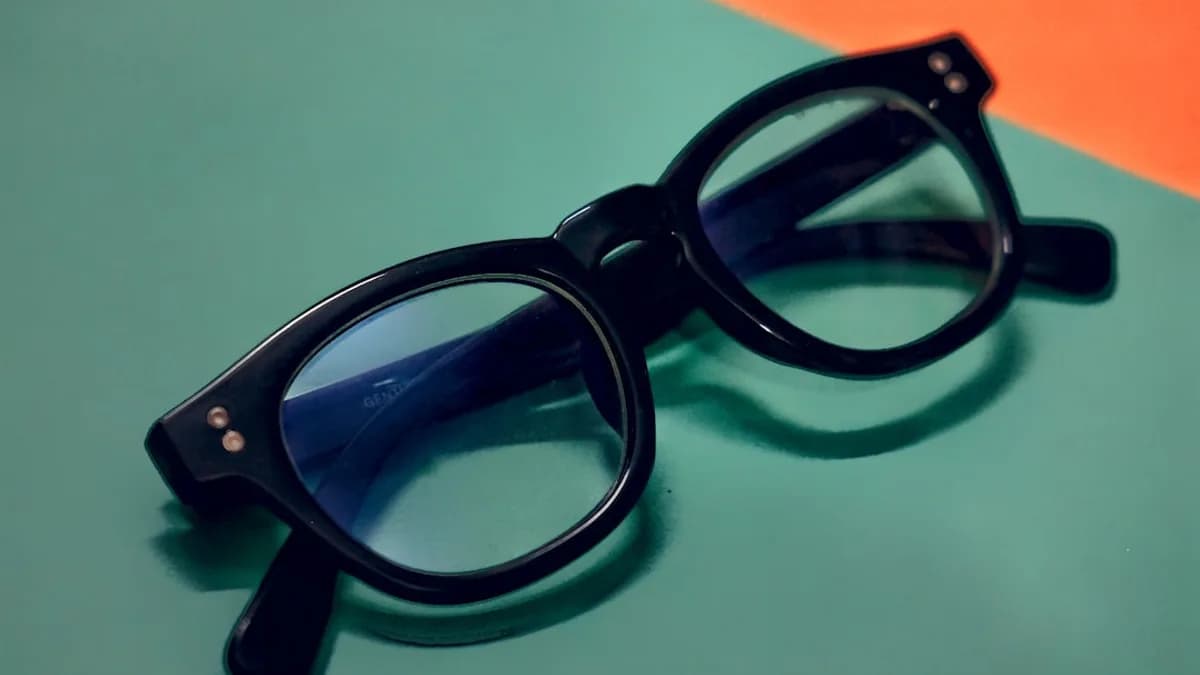
One of the most striking aspects of Apple’s reported efforts is the decision to test multiple frame styles—four, according to recent reports [Source: Source]. This strategy stands in contrast to Meta’s Ray-Ban Stories, which, while stylish, are largely anchored to classic eyewear silhouettes. Apple’s willingness to experiment with different designs, including the use of oval-shaped cameras, suggests a clear intention to cater to a wider range of consumer preferences and face shapes.
Historically, Apple has excelled at transforming utilitarian technology into desirable lifestyle products. The Apple Watch, for instance, evolved from a niche digital accessory into a status symbol and fitness essential, thanks in part to its variety of bands and finishes. By applying a similar playbook to AI glasses, Apple acknowledges that eyewear is as much about personal style and comfort as it is about function. The availability of multiple frame styles could lower barriers to adoption, making the device feel less like a piece of tech and more like a natural fashion choice.
In comparison, Meta’s partnership with Ray-Ban leverages the latter’s iconic designs, but the uniformity of style might limit its appeal to certain demographics. Apple’s move to diversify its product offering from the outset positions it to capture a broader market segment—one that values both individuality and seamless technology. This design-led approach may be the differentiator that propels smart glasses from a niche gadget to a mainstream accessory.
The Role of Computer Vision in Apple’s Smart Glasses Vision
Beyond hardware aesthetics, Apple’s ambitions for smart glasses are deeply tied to advances in computer vision—a field that enables devices to interpret and interact with the world visually. According to industry analysts, Apple sees smart glasses as just one component of a larger computer vision play, one that could extend powerful visual intelligence across its entire product ecosystem [Source: Source].
Imagine AI glasses that not only capture photos or display notifications but also understand context—identifying objects, reading text, translating signage in real time, or guiding users through complex tasks. The potential integration with the iPhone, Apple Watch, and even the Mac would magnify these capabilities. For example, a user could glance at a restaurant and instantly access reviews on their iPhone, or consult step-by-step navigation instructions projected discreetly within their field of view.
This deep ecosystem integration is where Apple excels. By leveraging its existing suite of devices and services, Apple can create user experiences that are more intuitive and less fragmented than those offered by competitors. The company’s investments in on-device AI and privacy-preserving technologies also position it to address growing consumer concerns around data security and surveillance—an especially sensitive issue for wearables that feature always-on cameras and microphones.
In short, Apple’s smart glasses are not just about competing with Meta’s Ray-Bans in style or hardware; they represent a vision of ambient, context-aware computing that could fundamentally change how users interact with technology throughout their day.
Market Implications and Competitive Dynamics
Apple’s entry into the smart glasses market is poised to disrupt the status quo. While Meta, Google, and Snap have all made significant strides, none have yet achieved the mainstream appeal that transformed wireless earbuds or smartwatches into must-have accessories. Apple’s track record in catalyzing new markets—from the iPod to the iPhone—suggests that its involvement could be the tipping point for widespread adoption.
However, significant challenges remain. For one, established players like Meta have the advantage of experience, user data, and strategic partnerships. The Ray-Ban Stories, for instance, benefit from the brand recognition and distribution power of both companies, as well as early feedback from real-world users. Apple will need to navigate similar partnerships without diluting its brand or compromising its strict quality standards.
Another critical factor is privacy. Consumers are increasingly wary of devices that can record audio or video surreptitiously, and the prospect of AI-powered eyewear only heightens these concerns. Apple’s reputation for privacy-first design could be a competitive advantage, but the company must be transparent and proactive in addressing how it manages data, especially as computer vision capabilities grow more sophisticated.
Finally, the importance of style cannot be overstated. Eyewear is an intensely personal accessory, and failures in design or fit can doom even the most technologically advanced products. Apple’s approach—prioritizing multiple frame styles and premium materials—suggests that it has learned from the missteps of earlier smart glasses attempts. If it can combine cutting-edge functionality with genuine fashion appeal, Apple could set a new benchmark for the category.
Opinion: Why Apple’s Multi-Style AI Glasses Could Be a Game-Changer
Apple’s decision to test several frame styles for its AI glasses is more than just a design experiment—it’s a signal that the company understands the nuances of consumer adoption in a way that many tech firms have overlooked. Eyewear is not a one-size-fits-all product. It intersects with identity, comfort, and self-expression. By embracing diversity in style from the outset, Apple is positioning its smart glasses as accessories that people will want to wear, not just gadgets they try and abandon.
This design philosophy is critical, but it’s only part of the equation. Apple’s strength lies in its ability to build cohesive, interoperable experiences across devices. Imagine receiving a message on your iPhone, glancing at it through your AI glasses, and dictating a reply—all without touching a screen. Or using the glasses for real-time translation while traveling, with the heavy lifting done on-device to protect your privacy. Such experiences are only possible when hardware, software, and services are tightly integrated—a hallmark of Apple’s ecosystem.
There are, of course, risks. The smart glasses market is littered with high-profile failures, from Google Glass to Snap Spectacles, many of which suffered from awkward designs, limited functionality, or privacy controversies. Apple must avoid these pitfalls by ensuring the glasses are as intuitive and unobtrusive as possible. Battery life, display quality, and durability are all challenges that need to be solved. And while multiple frame styles will help, retail distribution and in-person fittings may prove essential for mass adoption—areas where Apple’s retail presence could be leveraged.
Ultimately, success will depend on whether Apple can deliver a product that feels both indispensable and invisible—technology that enhances daily life without calling attention to itself. The company’s willingness to experiment with form and function suggests it is taking this challenge seriously. If Apple gets it right, its AI glasses could do for wearables what the iPhone did for smartphones: transform them from niche novelties into everyday essentials.
Conclusion: The Future of Smart Glasses and Apple’s Role
Apple’s reported development of AI smart glasses in multiple frame styles marks a pivotal moment in the evolution of wearable technology [Source: Source]. By prioritizing design diversity, user experience, and deep ecosystem integration, Apple is poised to reshape expectations for what smart glasses can be—and who they are for. The company’s entry will likely accelerate innovation across the industry, spurring competitors like Meta to up their game and address lingering concerns around privacy and style.
Ultimately, the battle for smart glasses supremacy will be won not just by those with the best technology, but by those who can make that technology accessible, desirable, and trustworthy. Apple’s approach signals that it understands these imperatives. As the lines between fashion and function continue to blur, the coming years will reveal whether Apple’s vision for AI glasses can truly become the next great leap in personal computing.