



Introduction: The Anticipation Around Apple’s Foldable iPhone
Apple’s first foray into the foldable smartphone market has triggered a wave of anticipation throughout the tech industry. Recent leaks and reports suggest that the so-called “iPhone Fold” is nearing its debut, with a September release date rumored and striking design photos surfacing online [Source: Source]. As foldable devices from Samsung, Huawei, and others have gradually matured, Apple’s entry is seen as a pivotal moment, potentially legitimizing the foldable format for mainstream consumers. The iPhone Fold represents not only a new product category for Apple but also a significant step in its innovation trajectory. This launch could reshape both Apple’s lineup and the broader smartphone industry, raising expectations about design, usability, and consumer adoption of foldable technology.
Design and Features: What the Leaked Photos Reveal
Leaked images purportedly showing the iPhone Fold have captured attention with their sleek and distinctive design elements. The device appears to feature a seamless hinge mechanism, allowing for a smooth transition between folded and unfolded states. The display, reportedly an edge-to-edge flexible OLED, embodies Apple’s characteristic minimalist aesthetic, with thin bezels and a symmetrical layout. Early photos also hint at a robust build quality, likely utilizing high-end materials such as titanium or reinforced glass to ensure durability—a common concern for foldable devices [Source: Source].
One of the most intriguing rumors is the adoption of the ‘Ultra’ branding, possibly positioning the iPhone Fold as a premium flagship within Apple’s smartphone portfolio [Source: Source]. This would mirror the strategy seen with the Apple Watch Ultra and iPhone 15 Pro Max, targeting users who demand cutting-edge technology and exclusivity. The ‘Ultra’ name may also indicate enhanced features, such as advanced camera systems, superior battery life, or exclusive software capabilities optimized for the foldable form factor.
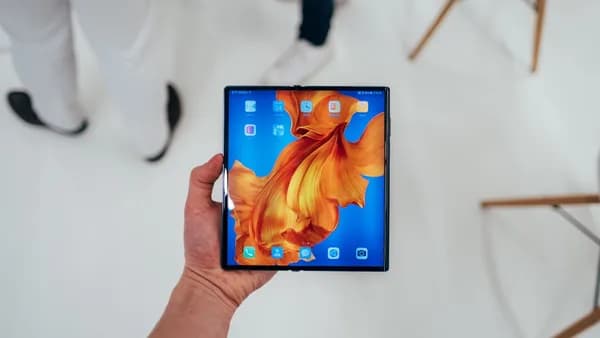
Compared to existing foldables like the Samsung Galaxy Z Fold5 and Huawei Mate Xs, Apple’s design philosophy seems distinct. While competitors often prioritize larger unfolded screens and multitasking, Apple appears to focus on seamless integration with iOS, intuitive user experience, and hardware refinement. The rumored hinge technology, for instance, could address longstanding issues with durability and screen creasing seen in rival devices. Furthermore, Apple’s ecosystem advantage—deep integration with other devices and services—may unlock new use cases for the foldable iPhone, such as improved continuity for productivity apps, enhanced FaceTime experiences, and unique AR features.
If the leaked photos are accurate, the iPhone Fold could set new benchmarks for industrial design in the foldable segment, blending innovation with Apple’s commitment to simplicity and reliability. This approach has historically differentiated Apple products and could make the iPhone Fold a compelling option for both early adopters and mainstream users.
Release Date and Production Challenges
The leaked September release date for the iPhone Fold has been widely reported, fueling speculation about Apple’s launch strategy [Source: Source]. This timeline aligns with Apple’s traditional fall product announcements, but industry insiders caution that engineering challenges may threaten the schedule. According to reports, the device has encountered several “engineering snags,” particularly related to the hinge design and display reliability. These issues have raised concerns about potential shipment delays, which could impact availability and consumer expectations [Source: Source].
Apple is known for its rigorous quality control and reluctance to release products before resolving key technical hurdles. The foldable form factor introduces complex engineering demands, such as ensuring the screen withstands repeated folding, maintaining water resistance, and preventing dust ingress—all while preserving the premium feel expected from Apple. Delays in component sourcing or assembly could force Apple to push back the launch or limit initial shipments.
Such production challenges are not unique to Apple; competitors have faced similar setbacks with their foldable devices. However, Apple’s reputation for polished products means any hiccups garner outsized attention. If the September launch slips, Apple may resort to a staggered rollout or limited regional availability to manage demand. Ultimately, the success of the iPhone Fold hinges not only on innovative design but also on flawless execution—a standard Apple is keen to uphold.
Market Impact and Consumer Expectations
Apple’s entry into the foldable smartphone market could be transformative, given its track record of catalyzing new technology trends. While foldables have remained a niche category, Apple’s brand power and vast ecosystem could drive mass adoption, setting new standards for usability, design, and integration. Consumer anticipation is palpable, bolstered by Apple’s loyal user base and the promise of a device that blends novelty with familiar functionality [Source: Source].
Yet, risks abound. The foldable smartphone segment is fraught with technical challenges, high production costs, and uncertain demand. Some analysts warn that despite Apple’s optimism, the iPhone Fold could face “failure,” especially if it falls short of expectations or is priced prohibitively [Source: Source]. Previous foldable launches by competitors have been marred by durability issues, limited app support, and slow uptake. Apple must address these pitfalls with a robust product and compelling use cases.
The iPhone Fold’s impact will extend beyond Apple. Rivals are likely to accelerate their own innovations in response, potentially leading to a surge in foldable device launches and improvements across the category. The device could also shift consumer preferences, encouraging users to explore new multitasking workflows, creative applications, and immersive experiences enabled by flexible screens.
Ultimately, Apple’s approach—prioritizing integration, design, and reliability—may be the key to unlocking mainstream foldable adoption. Should the iPhone Fold succeed, it could redefine what consumers expect from smartphones and prompt the industry to rethink its approach to form factors. Conversely, a misstep would be costly, both financially and reputationally, underscoring the high stakes of this launch.
Conclusion: The Road Ahead for Apple’s Foldable iPhone
The iPhone Fold stands poised to become one of Apple’s most significant launches in recent years, marking its entry into the burgeoning foldable smartphone market. Leaked photos and reports suggest a striking design and a possible September debut, though production challenges remain [Source: Source]. Apple’s unique design philosophy, coupled with its ecosystem strengths, could set the iPhone Fold apart from competitors and redefine consumer expectations for the category.
As the industry watches closely, the iPhone Fold’s success—or failure—will shape not only Apple’s innovation trajectory but also the future of foldable smartphones. If Apple delivers on its promise, the device could catalyze widespread adoption and inspire a new wave of mobile innovation. The road ahead is uncertain, but the stakes—and the anticipation—couldn’t be higher.