Introduction: The Emerging Market of Smart Glasses
The smart glasses market is rapidly evolving, fueled by advances in wearable technology and growing consumer interest in augmented reality (AR) experiences. Over the past few years, tech giants like Meta (formerly Facebook), Google, and Snap have launched their own iterations of smart eyewear, each promising new ways to interact with digital content. However, adoption has been gradual, with most products serving niche audiences or focusing on limited functionalities such as hands-free photography or notifications.
Apple’s anticipated entry into smart glasses marks a significant moment for the industry. The company’s reputation for premium design, seamless integration, and robust ecosystem could help transform smart glasses from a curiosity into a mainstream product. Apple is reportedly developing advanced AI glasses that will directly compete with Meta’s Ray-Ban Stories and other offerings, aiming to deliver not just style but sophisticated computer vision capabilities [Source: Source]. As Apple prepares to unveil its vision for smart eyewear, the stage is set for a fresh wave of innovation—and competition—in this emerging sector.
Apple’s Smart Glasses: Design and Style Innovations
Apple’s approach to smart glasses is characteristically ambitious. According to recent reports, the company is testing at least four distinct styles, each crafted with premium materials and high-end design elements [Source: Source]. Unlike many competitors, Apple is prioritizing both aesthetics and functionality, seeking to create eyewear that appeals to a broad range of users, from fashion-conscious consumers to tech enthusiasts.
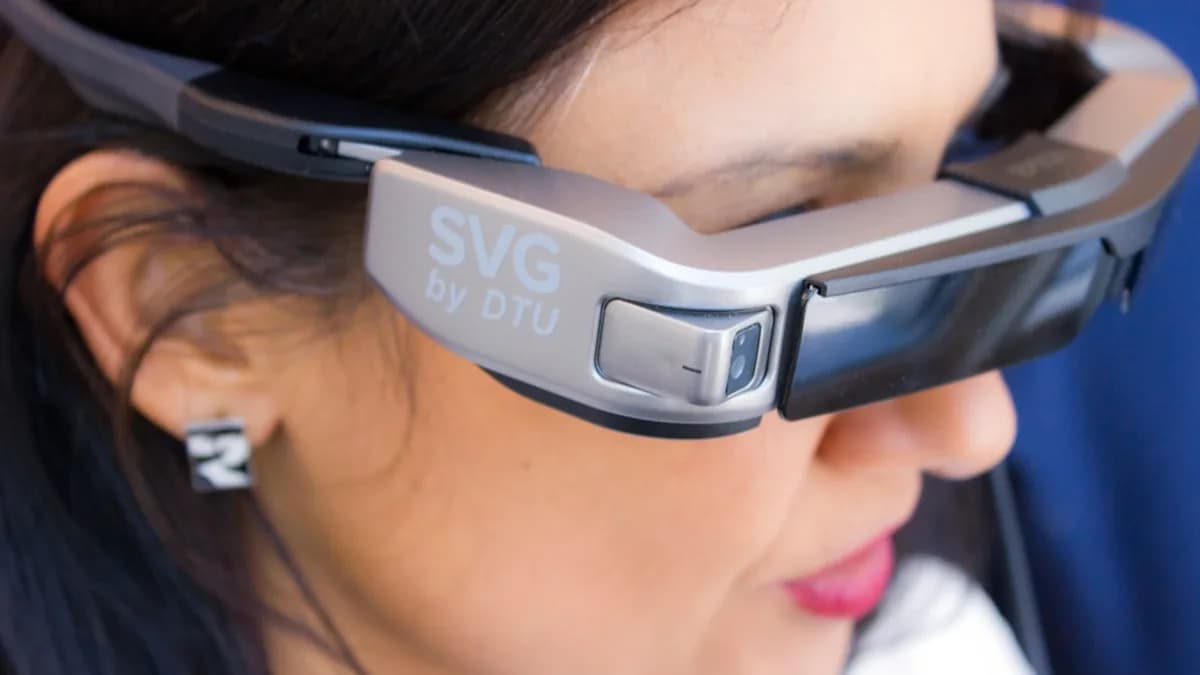
One of the standout innovations in Apple’s prototypes is the use of oval cameras embedded within the frames. These cameras are discreetly integrated to capture images and enable advanced computer vision tasks, without compromising the glasses’ sleek appearance. The design also reportedly includes foldable components, such as a feature referred to as “OpenClaw,” which allows for flexible hinge mechanisms and more compact storage—an improvement over traditional rigid frames [Source: Source].
Apple’s commitment to premium materials is evident in its selection of lightweight metals, durable polymers, and possibly glass or ceramic elements. This focus on quality elevates the glasses beyond mere tech gadgets, positioning them as luxury accessories. Such attention to detail is expected to set Apple’s offerings apart from Meta’s Ray-Ban Stories, which, while stylish, have been critiqued for their utilitarian design and less refined finishing.
This multifaceted approach to design—combining cutting-edge technology with fashion-forward sensibilities—reflects Apple’s broader philosophy of merging form and function. By offering multiple styles, Apple aims to cater to diverse tastes and use cases, whether for everyday wear, professional settings, or specific activities like sports or travel. The inclusion of innovative features like foldable hinges and oval cameras further highlights Apple’s intent to redefine what smart glasses can be, moving beyond simple notification devices to true lifestyle products.
Technical Features and Computer Vision Capabilities
Beyond design, Apple’s AI glasses are expected to deliver substantial advancements in computer vision and augmented reality. Leveraging proprietary AI algorithms and sensor technology, the glasses will likely offer real-time object recognition, contextual awareness, and seamless integration with other Apple devices [Source: Source].
The oval cameras embedded in the frames will serve as the backbone for these capabilities, enabling live video streaming, image capture, and AR overlays. With Apple’s expertise in chip design and software optimization, the glasses may support features such as gesture recognition, spatial mapping, and interactive AR experiences. For example, users could receive visual cues for navigation, identify objects in their environment, or interact with digital content directly through their field of vision.
This technological push aligns with Apple’s broader computer vision strategy, which encompasses products like the iPhone, iPad, and Vision Pro headset. The smart glasses are expected to integrate tightly with Apple’s ecosystem, allowing for features like hands-free Siri access, real-time translation, health monitoring, and even payment authentication. AppleInsider notes that the glasses will be a key component in Apple’s long-term vision for spatial computing, bridging the gap between mobile devices and immersive wearables [Source: Source].
For consumers, these advancements promise a more intuitive and practical user experience. Whether for productivity, entertainment, or accessibility, smart glasses could redefine daily tasks, offering information and assistance unobtrusively. However, these capabilities also raise questions about privacy and data security, particularly given the potential for always-on cameras and microphones. Apple’s focus on privacy—long a cornerstone of its brand—will be crucial in addressing these concerns and ensuring user trust.
Comparison with Meta’s Smart Glasses
Meta has been an early mover in the smart glasses space, most notably through its collaboration with Ray-Ban to produce the Ray-Ban Stories. These glasses offer features such as integrated cameras, voice controls, and direct connection to Meta’s social platforms. The emphasis has been on capturing moments, sharing content, and basic hands-free functionality, but the devices have yet to fully embrace advanced AR or computer vision capabilities.
In contrast, Apple is aiming for a more sophisticated integration of AI and computer vision, with a strong focus on premium design and seamless ecosystem connectivity [Source: Source]. While Meta’s glasses are positioned as lifestyle accessories for social sharing, Apple’s offerings appear targeted at a broader market—combining luxury, utility, and deep technical innovation. The inclusion of multiple styles and high-end materials is a clear differentiator, as is Apple’s commitment to privacy and user experience.
Both companies recognize the potential for smart glasses to become a mainstream consumer technology, but their approaches reflect distinct philosophies. Meta prioritizes social connectivity and affordability, while Apple emphasizes quality, innovation, and integration. Apple’s competitive advantages may include its loyal customer base, established hardware and software platforms, and reputation for security. However, Meta’s head start and expertise in social content could keep it relevant, especially among younger audiences.
Ultimately, the rivalry between Apple and Meta in smart glasses will hinge on which company can deliver the most compelling combination of design, functionality, and ecosystem benefits. As the technology matures, consumer expectations will evolve, and the competition will drive further innovation.
Challenges and Market Outlook
Despite the promise of smart glasses, Apple faces several challenges in bringing its vision to market. One major hurdle is consumer adoption; previous attempts by Google and Snap struggled to gain traction, often seen as novelty items rather than essential devices. Privacy concerns are another significant barrier, particularly given the presence of cameras and microphones in everyday wearables [Source: Source]. Apple’s rigorous privacy policies and transparent communication will be crucial to winning user trust.
Technical challenges include balancing battery life, performance, and comfort. Smart glasses must be lightweight and stylish, yet powerful enough to support advanced features. Manufacturing at scale will require meticulous quality control, especially given Apple’s high standards for materials and design. Regulatory issues may also arise, as governments scrutinize wearable devices for potential misuse in surveillance or data collection.
Market forecasts are optimistic, with analysts projecting steady growth in the smart glasses sector as AR and AI technologies mature. Apple’s entry could accelerate this trend, driving wider adoption and encouraging other players to innovate. The company’s influence may extend beyond smart glasses, shaping the future of wearables and spatial computing as a whole.
Apple’s move into smart glasses could also catalyze new applications in enterprise, healthcare, and accessibility. For instance, AR overlays could assist surgeons, engineers, or educators, while computer vision features could support users with disabilities. As the technology evolves, the possibilities will expand, and Apple’s leadership will be pivotal in defining the direction of the market.
Conclusion: What Apple’s Smart Glasses Mean for the Future
Apple’s AI-powered smart glasses represent a bold step forward in wearable technology, promising to blend premium design, advanced computer vision, and seamless ecosystem integration. As Apple prepares to challenge Meta and other competitors, its glasses could redefine how consumers interact with digital content and their surroundings. The impact will extend beyond eyewear, shaping the broader landscape of AI-driven wearables and spatial computing. With Apple’s entry, the smart glasses market is poised for accelerated innovation and wider adoption, heralding a new era in consumer technology [Source: Source].