Amazfit Launches Bip Max Smartwatch Globally with Enhanced Features Under $100
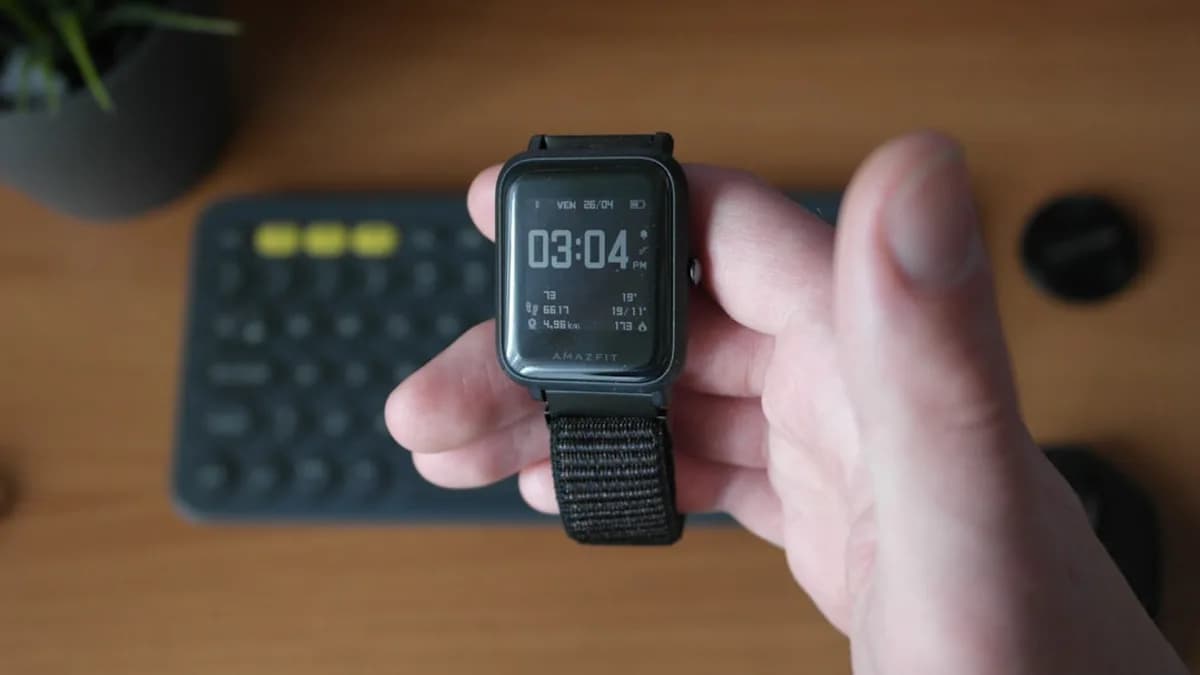
Amazfit has launched the Bip Max smartwatch worldwide, pitching a suite of upgrades over its predecessor while keeping the price tag under $100. The new model, now available to global buyers, promises more storage and longer battery life—two specs that matter most to users who want a reliable device at a budget price. According to Notebookcheck, these are the standout changes from the previous Bip 6.
The Bip Max enters the market as Amazfit’s latest attempt to raise the bar in affordable wearables. The company is betting that boosting storage and battery life—core complaints about cheap smartwatches—will shift attention away from rivals and appeal to a wider range of users. By holding the price under $100, Amazfit is signaling that advanced features don’t have to come with a premium price.
Key details still remain under wraps. While Amazfit touts “increased storage” and a longer “battery life estimate,” the company hasn’t disclosed specific numbers for either. The lack of detail leaves open questions about how much of a leap this new device represents over the Bip 6. Early buyers and reviewers will be watching closely to see if these claims translate into real-world gains.
How the Amazfit Bip Max Stands Out in the Competitive Budget Smartwatch Market
The Bip Max’s global debut positions Amazfit squarely against the crowded field of sub-$100 smartwatches, a segment where compromises are usually the norm. The focus on more storage suggests the company is addressing a pain point that often frustrates budget-conscious buyers: too little room for apps, data, and updates. The longer battery life pitch, if it holds up, could be the deciding factor for users tired of charging their watches every few days.
This release also shows Amazfit’s strategy in action—incremental hardware upgrades instead of headline-grabbing (and costlier) features. For fitness fans and tech-savvy users, the improved specs mean less time managing limitations and more time using the device. In daily life, that could mean fewer sync interruptions, more reliability on long workouts, and a watch that simply lasts longer between charges.
Analysis: The move to offer these upgrades at a sub-$100 price point could make the Bip Max a new reference for value in wearables, but only if the real-world performance matches the marketing. If Amazfit delivers, it could tighten its grip on the entry-level smartwatch market and force other brands to rethink what features are “essential” at this price.
What to Expect Next from Amazfit and the Future of Affordable Smartwatches
The company’s silence on hard specs leaves buyers and analysts in a holding pattern. The first independent reviews and battery tests will be crucial—both for Amazfit’s credibility and for setting expectations across the market. Will the new storage and battery claims stand up to scrutiny, or will they disappoint?
Amazfit’s willingness to push upgrades without raising prices hints at a continued focus on aggressive value in its product lineup. If the Bip Max succeeds, expect the company to double down on this formula in future releases, possibly rolling out even more hardware upgrades or software features without major price hikes.
Watch for: User feedback in the coming weeks, especially from longtime Amazfit owners who know the quirks of earlier models. If the battery and storage increases are substantial, rivals may have no choice but to update their own entry-level offerings or risk falling behind.
Right now, the Bip Max’s most important promise is a better smartwatch experience without breaking the $100 mark. Whether it delivers, and whether competitors scramble to catch up, will depend on the next wave of reviews and hands-on reports. For now, Amazfit has set the bar for what users should expect from a budget wearable—with the proof still to come.
Why It Matters
- Amazfit is challenging budget smartwatch norms by offering upgraded features without raising the price.
- Better storage and battery life address common frustrations with affordable wearables.
- The move intensifies competition in the sub-$100 smartwatch market, benefiting value-seeking consumers.