Why Battery Life Battles Define Smartphone Leadership in 2026
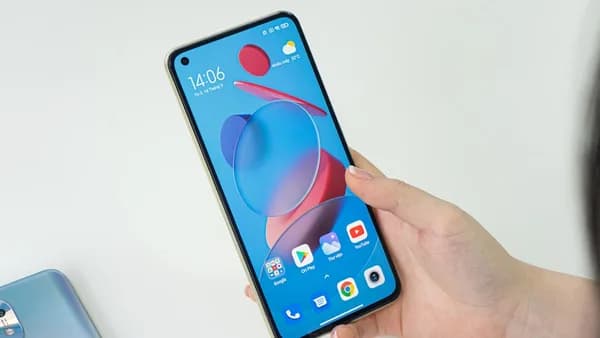
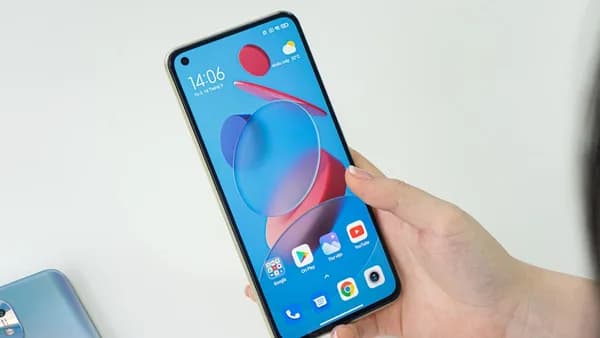
Xiaomi’s 17 Max just survived over 33 hours of nonstop video playback, crushing not one but two iPhone 17 Pro Max units in the same test. That kind of stamina is rare in a flagship, and it’s not just a spec-sheet stunt — it signals a shift in what the industry prizes most. As users push their devices harder, battery life has become the new must-have, not just a bullet point for marketing slides.
For years, the smartphone arms race revolved around cameras, displays, and silicon. But in 2026, the bottleneck is energy. Users are streaming, gaming, and running AI-powered features all day. The phone that keeps going when others die wins attention — and possibly loyalty. Xiaomi’s result, confirmed in a controlled test, challenges the notion that only Apple or Samsung can set endurance records. According to Notebookcheck, this test could crown the 17 Max as the longest-lasting phone of the year. For more details on its performance, see Xiaomi 17 Max Crushes Benchmarks, Outscores 17 Ultra with 16GB RAM.
Breaking Down the Xiaomi 17 Max’s 8,000 mAh Battery Advantage Over iPhone 17 Pro Max
The headline number is blunt: 8,000 mAh. That’s the size of the battery packed inside the Xiaomi 17 Max — a figure most rivals, including the iPhone 17 Pro Max, don’t touch. While Apple’s flagship typically opts for a more modest cell (Apple rarely discloses exact capacities, but they're generally much smaller than 8,000 mAh), Xiaomi’s brute-force approach paid off here.
Video playback is a demanding metric. It taxes the display, processor, and wireless radios, rapidly draining lesser batteries. Notebookcheck’s test ran both devices under controlled conditions, removing variables like screen brightness or background tasks that could muddy the results. This approach ensures that the difference in runtime reflects actual battery capacity and efficiency, not just software tricks or throttling.
The Xiaomi 17 Max’s battery is not just a number; it’s a statement. It signals a willingness to prioritize endurance even if it means a bulkier phone, betting that consumers now value longevity over a few extra grams of weight or millimeters of thickness.
Data-Driven Insights: Comparing Continuous Video Playback Times of Xiaomi 17 Max and iPhone 17 Pro Max
The data is unambiguous. The Xiaomi 17 Max lasted more than 33 hours of continuous video playback. The iPhone 17 Pro Max, tested twice back-to-back, couldn’t match this feat. While specific numbers for the iPhone aren’t published in the source, the fact that two units were tested and both fell short under identical circumstances is telling.
For the user, 33+ hours means a weekend trip without a charger is suddenly possible. It means draining anxiety is reduced. For power users — those who stream, edit, or multitask heavily — this gap is not theoretical. It’s the difference between a dead phone in the middle of a meeting and a device that’s still going strong.
No other performance metrics were mentioned in the source, so the focus remains on raw stamina. The test did not explore fast charging speeds, battery degradation, or other aspects that might nuance the story.
Diverse Stakeholder Perspectives on Xiaomi’s Battery Breakthrough
Industry analysts will see Xiaomi’s win as a challenge to Apple’s design philosophy, which traditionally emphasizes thinness and efficiency over pure battery size. Some users may cheer — finally, a phone that doesn’t force them to carry a power bank. Others may worry about trade-offs. A battery this large could mean a chunkier device, which not all users will embrace.
Competitors now face a dilemma: do they chase Xiaomi’s capacity, risking larger phones, or do they double down on efficiency and software optimization? While the source does not provide direct reactions from Apple or other manufacturers, it’s clear that a new bar has been set for what “long-lasting” really means.
There’s also the question of charging. Larger cells can take longer to charge unless paired with advanced fast-charging tech. The source does not disclose Xiaomi’s charging speeds, so it remains an open question whether the 17 Max can quickly refuel or if users must trade runtime for longer plug-in times.
Tracing the Evolution of Smartphone Battery Technology Leading to the Xiaomi 17 Max
Ten years ago, most flagship batteries hovered around 3,000 to 4,000 mAh. Each generation eked out small gains — sometimes with new chemistries, sometimes with energy-efficient chips. Apple, for instance, made headlines by extracting more life from smaller cells through tight hardware-software integration. See how Apple Locks iPhones on iOS 26.5, Blocks Downgrades Forever for insight on Apple’s control over software efficiency.
Xiaomi’s approach is different. Rather than squeezing efficiency from a modest battery, it simply supersizes the cell. This gambit is reminiscent of early “phablets,” but with a more refined execution. The 17 Max doesn’t just add bulk; it’s a signal that the trade-off calculus has shifted. Better manufacturing and material science now allow bigger batteries without turning the device into a brick, but the balance remains delicate.
What Xiaomi’s Battery Performance Means for Smartphone Users and the Industry in 2026
If 33+ hours becomes the new normal, user behavior changes. People rely on their phones not just for short sprints but as all-day, multi-day tools. That could mean more video streaming, more mobile gaming, and a greater willingness to try battery-intensive features like on-device AI.
Design priorities will have to shift. Brands must decide how much weight and thickness users will tolerate in exchange for longer life. Xiaomi’s move puts pressure on rivals to reconsider what “premium” means. Is it slimness, or is it dependability?
For the industry, this could spark a new wave of battery-centric innovation. But whether other manufacturers follow Xiaomi’s lead or try to outdo them with clever engineering, the message is clear: battery life is no longer just a checkbox. It’s the battlefield.
Predicting the Future: How Xiaomi’s Battery Lead Could Shape the Next Generation of Smartphones
If Xiaomi’s 8,000 mAh gamble pays off with sales and user satisfaction, expect rivals to respond. Apple and others may have to rethink their battery strategies — either by pushing for bigger cells, improving efficiency, or both. The source does not detail any upcoming competitor responses, so this remains MLXIO analysis.
Emerging tech could soon make such leaps less dramatic. Solid-state batteries, better silicon, and smarter energy management are all on the horizon. The question is whether the next leap comes from capacity, chemistry, or cleverness.
What’s still unclear: Will users embrace thicker, heavier phones en masse, or will Xiaomi’s win remain a niche? And can these mega-batteries maintain their capacity over time, or will real-world degradation blunt their advantage?
What to watch next: Announcements from Apple, Samsung, and other rivals. Will they boost battery sizes, or stay the course on thin and light? And will Xiaomi translate test wins into market traction — or will the industry decide this endurance race is a marathon, not a sprint?
Why It Matters
- Xiaomi 17 Max's battery life sets a new benchmark for flagship smartphones in 2026.
- Longer battery endurance is becoming a key factor for users who demand all-day performance from their devices.
- This result challenges Apple’s dominance and may shift industry focus toward bigger batteries and efficiency.