Updated July 2026: This article has been refreshed to clarify that Wear OS 7 has been announced but is not yet broadly available, and to add current rollout, compatibility and developer context.
Google Unveils Wear OS 7 with Widgets and Live Updates at I/O 2026
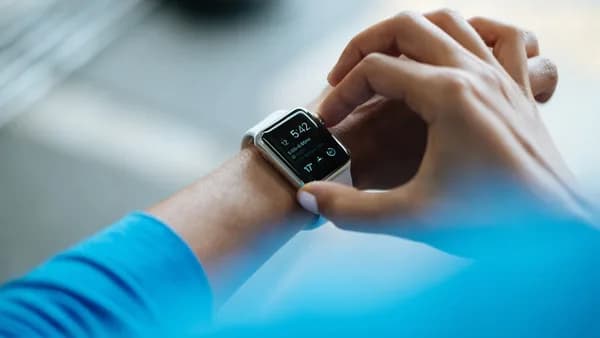
Google used its I/O 2026 conference to unveil Wear OS 7, its next major smartwatch platform update focused on more glanceable information, faster real-time alerts and better battery efficiency. The Android 17-based release introduces flexible Widgets, Live Updates and Gemini Intelligence, though Google has so far positioned some features—especially Gemini—as limited to select devices at launch.
The update also targets one of Wear OS’s most persistent weaknesses: battery life. Google says eligible watches upgrading from Wear OS 6 to Wear OS 7 can see up to 10% better battery runtime, according to Gsmarena. As always, that figure will depend on device hardware, watch face behavior, app usage, always-on display settings and manufacturer tuning.
Wear OS 7 arrives as Google continues trying to make Android phones, watches and AI services feel more connected. The headline features suggest a clear strategy: bring more of the phone’s live, contextual information to the wrist without forcing users to open full apps.
Wear OS 7 Boosts Smartwatch Functionality and Battery Efficiency
Widgets are the most visible addition in Wear OS 7. Google describes them as flexible and dynamic, giving users a way to pin useful information and quick actions directly to their smartwatch interface. The new formats support 2x1 and 2x2 layouts, giving developers more room than a basic complication while still keeping interactions glanceable.
That matters because Wear OS already has several small-screen interaction models—watch face complications, Tiles, notifications and app launchers. Widgets appear designed to sit between those experiences: richer than a complication, faster than opening an app, and more customizable than a static Tile. For users, that could mean easier access to weather, calendar items, workouts, smart home controls, timers, transit updates or messaging actions, depending on which apps adopt the new format.
Live Updates is the other major usability feature. The concept is straightforward: ongoing, time-sensitive information should stay visible and refresh in real time. On a smartwatch, that could be especially useful for navigation, rideshare pickups, food delivery, sports scores, timers, workouts, boarding information and other events where checking a phone is inconvenient.
Google has not yet detailed every supported Live Updates use case, and the real impact will depend heavily on third-party app support. Still, the feature fits the direction of Android more broadly, where live activities and persistent real-time notifications are becoming more central. If implemented well, Live Updates could make Wear OS watches feel less like notification mirrors and more like active, context-aware companions.
Gemini Intelligence is also coming to Wear OS 7, but availability remains more limited. Google says Gemini-powered features will appear on select smartwatches, suggesting that hardware requirements, regional availability and manufacturer decisions may all affect access. The company has not provided a complete compatibility list, so current Wear OS owners should avoid assuming that every watch receiving Wear OS 7 will also receive the full Gemini experience.
The appeal is obvious: an AI assistant on the wrist could be useful for quick questions, reminders, message drafting, smart home requests, health summaries and contextual suggestions. The challenge is equally clear. Smartwatches have smaller batteries, smaller screens, weaker thermal headroom and more limited input methods than phones. For Gemini to be genuinely useful on Wear OS, Google will need to balance speed, privacy, cloud processing and battery consumption carefully.
Battery efficiency is the practical upgrade many users will care about most. Google’s headline claim is up to 10% longer runtime for watches moving from Wear OS 6 to Wear OS 7. The company has not broken down exactly how that improvement is achieved, but major Wear OS updates typically combine platform-level power management, background task limits, display optimizations and developer guidance.
A 10% gain will not turn a one-day watch into a week-long wearable, but it could be meaningful. For a device that normally lasts 24 hours, even a modest boost can be the difference between making it through the night for sleep tracking or needing a charger before bed. The bigger question is whether the improvement holds up once users enable always-on display, GPS workouts, LTE, third-party widgets and Live Updates.
For developers, Wear OS 7 creates both opportunity and pressure. Widgets and Live Updates give app makers new ways to surface information without requiring full-screen app sessions. That is a better fit for the wrist, where users often interact in seconds rather than minutes. But these features will only matter if major apps—fitness, travel, messaging, payments, productivity, transit and smart home platforms—support them quickly and consistently.
Google’s broader developer pitch is that Wear OS apps should feel more native, efficient and connected to Android experiences on phones. That could reduce friction for app makers already building Android features around widgets, live activities and Gemini-powered workflows. The risk is fragmentation: if only a subset of devices gets the newest APIs or AI features, developers may be slower to invest.
What to Expect Next: Wear OS 7 Rollout and Future Smartwatch Innovations
Google has not yet published a full Wear OS 7 rollout schedule or a complete list of supported smartwatches. The company has confirmed that some existing Wear OS 6 models will be eligible, but upgrade timing will depend on manufacturers and carriers where LTE models are involved.
That means Pixel Watch, Samsung Galaxy Watch, OnePlus Watch, Mobvoi TicWatch and other Wear OS owners should wait for device-specific announcements before expecting an update. Even when Wear OS 7 reaches a watch, not all features may arrive at the same time. Gemini Intelligence, in particular, is expected to be more selective than the base operating system upgrade.
The most important near-term signal will be partner adoption. If major smartwatch makers ship new hardware with Wear OS 7 quickly—and commit to updates for recent models—the platform’s momentum will look stronger. If rollouts are slow or uneven, Google may face familiar criticism about fragmentation and inconsistent feature availability.
Developer adoption is just as important. Widgets and Live Updates are only as useful as the apps that support them. If Google can get major services on board early, Wear OS 7 could make watches more useful throughout the day. If support is limited mostly to Google apps, the update may feel incremental for many users.
Analysis: Wear OS 7 is less about a single flashy feature and more about making smartwatch interactions faster, more contextual and more efficient. Widgets give users better glanceable controls. Live Updates bring real-time events closer to the wrist. Gemini points toward a more personalized assistant experience, even if availability is limited at first. Battery improvements address a core complaint, though real-world results will vary.
The unanswered questions remain significant. Which watches will get Wear OS 7? Which will get Gemini? How much battery life will users actually gain with Live Updates and AI features enabled? And will developers build for the new widget formats at scale?
What to watch next: Google and its hardware partners need to provide clearer compatibility lists, rollout windows and feature breakdowns. Users should look for device-specific update commitments before buying a new Wear OS watch. Developers should watch early adoption metrics around Widgets and Live Updates, because those tools could define whether Wear OS 7 feels like a major upgrade or a mostly behind-the-scenes platform refresh.
Key Takeaways
- Wear OS 7 adds flexible Widgets and Live Updates to make smartwatch information more glanceable and timely.
- Google claims up to 10% better battery life for eligible watches upgrading from Wear OS 6.
- Gemini Intelligence is coming to select Wear OS 7 devices, but full compatibility details remain unclear.
- Rollout timing will depend on manufacturers, and not every Wear OS 7 watch may receive every feature.