Why Android Copying Apple’s Handoff Signals Healthy Competition
Android cloning Apple’s Handoff isn’t a cheap trick—it’s the sort of arms race users should root for. Apple’s iron grip on device integration has been a major differentiator, creating a sticky user base that gets more value with every new Apple purchase. That seamless continuity—start on a Mac, finish on an iPhone—has been both a selling point and a moat. Now Google is openly copying this playbook, and it’s a shot across the bow at Apple’s dominance in cross-device experience according to 9to5Mac. This move isn’t just cheeky; it’s a signal that Google wants to challenge Apple where it hurts: the lock-in that keeps users from switching.
How Apple’s Handoff Revolutionized Device Ecosystem Integration
Handoff is more than a convenience feature—it’s Apple’s strongest pitch for why you should buy into its entire ecosystem. The ability to start a document or message on one device and pick up instantly on another turns what could be fragmented hardware into a tightly woven network. This integration is what makes an iPad or Mac more valuable if you already own an iPhone. It’s not just about hardware quality; it’s the invisible threads of software that keep users inside Apple’s walled garden. Handoff exemplifies this: work begun in Pages on a Mac can be picked up on an iPad without skipping a beat, and last-minute edits can happen on your phone as you head out the door. This isn’t just technical elegance—it’s a psychological hook, selling the idea that Apple devices are greater together than apart. For more on Apple’s recent software strategies, see Apple Locks iPhones on iOS 26.5, Blocks Downgrades Forever.
Google’s Android 17 Embracing Seamless Cross-Device Experiences
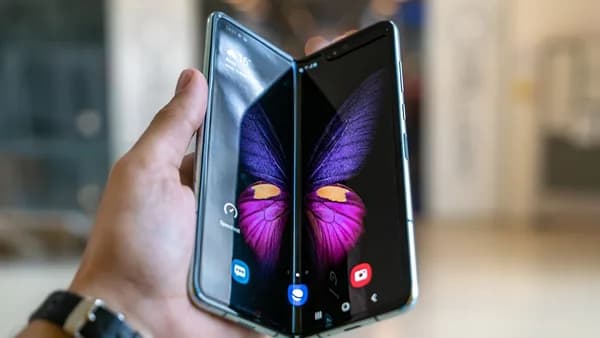
Google’s decision to build Handoff-like functionality into Android 17 is a tacit admission: seamless device integration sells. According to 9to5Mac, the new feature will let users start an activity on one Android device and continue it on another, echoing Apple’s core pitch. This could significantly boost the Android ecosystem’s appeal, especially for users who own both a phone and a tablet. For Google, it’s a strategic push to make Android devices work better together—something that’s long been Apple’s territory. The technical challenge, of course, will be making this work smoothly across the wild diversity of Android hardware and manufacturers. If Google can pull it off, it will close a key gap that has kept Android from matching Apple’s perceived polish in multi-device workflows. This aligns with Google’s broader efforts to enhance user experience, similar to innovations seen in Wear OS 7 Sparks Smarter Watches with Widgets, Live Updates.
Addressing Criticism: Is Android’s Copying a Lack of Originality or Smart Strategy?
There’s no shortage of purists who see Android’s move as further proof that Google follows, rather than leads. But the history of tech is a chain of borrowed ideas—Apple didn’t invent the smartphone, and Android didn’t invent widgets. Both platforms have swiped features from each other for years. What matters is execution and who raises the bar for users. By adopting proven features like Handoff, Google can accelerate the maturity of its own ecosystem, making life easier for Android loyalists without forcing them to switch allegiances. And crucially, this competition keeps Apple from coasting—if Android catches up on integration, Apple will be forced to keep innovating to maintain its edge. That’s not copying; that’s the market working as intended. For insight into how innovation speeds Apple product development, see Johny Srouji Sparks Faster Apple Product Launches.
Why Consumers Should Welcome Android’s Handoff and Demand More Innovation
Users win when good ideas don’t stay locked behind one company’s walls. Android embracing Handoff-like functionality means more people get access to seamless multi-device workflows, regardless of brand loyalty. The bigger story is what comes next: as Google and Apple race to outdo each other, expect sharper features and fewer excuses for devices that don’t talk to one another. In a world where work and life spill across phones, tablets, and laptops, device interoperability is non-negotiable. The message to tech giants is clear: keep copying, keep pushing, and don’t expect applause for locking users in. If you value real innovation, demand it—across every platform, for every user.
What We Know: Google is adding Apple Handoff-like features to Android 17, signaling a push to close the integration gap.
Why It Matters: This move challenges Apple’s lock-in strategy and promises better experiences for Android users.
What Is Still Unclear: The rollout’s technical details and how well Google can deliver seamless integration across fragmented hardware remain to be seen.
What To Watch: Whether Apple responds with even tighter integration—or something entirely different—will set the tone for the next chapter in ecosystem warfare.
Why It Matters
- Google’s move pushes Apple and Android to compete on user experience, benefiting consumers.
- Cross-device features becoming standard could make switching ecosystems easier for users.
- The rivalry drives innovation, raising expectations for seamless tech integration.