Astronaut on ISS Captures Stunning Fireball Lighting Up Earth's Atmosphere
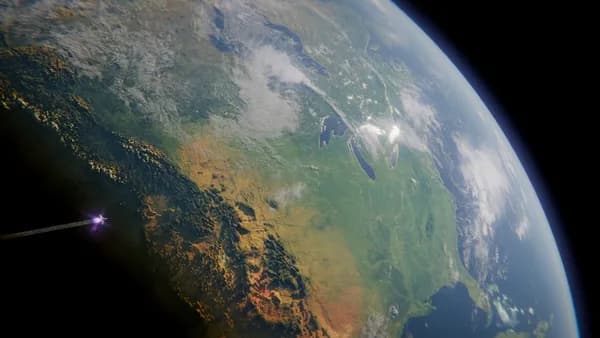
A NASA astronaut aboard the International Space Station has snapped a rare image of a fireball blazing through Earth’s upper atmosphere. NASA publicly released the photo this week, spotlighting both the spectacle and its scientific intrigue. The agency confirmed the image’s authenticity but stopped short of identifying the fireball’s source, according to Notebookcheck.
The photo, taken from orbit, shows a luminous streak against the blackness of space and the soft glow of the atmosphere—an angle only possible from the station’s vantage point. Such events have been imaged before, but direct astronaut-captured shots remain uncommon. The timing, clarity, and altitude make this one stand out.
NASA’s decision to release the image signals its potential value for atmospheric science. But for now, the fireball’s exact identity remains a mystery—a scientific puzzle set in motion by a single frame.
Unraveling the Mystery Behind the Fireball’s Origin in Earth’s Upper Atmosphere
NASA has not determined whether the fireball was a natural object, like a meteoroid, or a piece of human-made debris. The image offers little context: no trajectory, no time stamp, no spectral analysis. This leaves experts with more questions than answers, and the agency has not issued a formal hypothesis.
Atmospheric fireballs can have several causes. Most are created as meteoroids or space debris collide with the upper layers of the atmosphere, rapidly heating and disintegrating in a burst of light. The distinction matters—a meteoroid offers clues about the solar system’s composition, while space junk highlights ongoing challenges with orbital debris.
NASA has not commented on any ongoing investigation or analysis of the event. No outside experts have gone on record about this particular fireball. The lack of immediate explanation underscores the limits of single-frame observation, even from orbit.
Still, the visual data is valuable. Such images can help calibrate models of atmospheric entry and breakup, whether for natural or artificial objects. They also serve as a reminder: even with hundreds of satellites and decades of spaceflight, much about high-altitude phenomena remains uncharted.
Next Steps in Monitoring Atmospheric Fireballs and What to Expect from NASA
NASA has not announced any specific follow-up or new monitoring protocols as a result of this image. The agency’s release hints at ongoing interest in capturing and studying such events, but actual plans remain undisclosed.
The biggest unknown is whether NASA will cross-reference the sighting with satellite reentry logs or meteoroid tracking systems. Without more data, the source of the fireball will likely stay unresolved.
What to watch: If NASA or its partners identify a match—say, a known satellite reentry or a tracked meteor event—expect a technical update. If no match emerges, the incident could become a reference point for future atmospheric studies. The image may also encourage astronauts to document these events more systematically, but unless NASA commits new resources, such captures will remain rare.
For now, the scientific and public communities are left with a striking image—and the reminder that even in 2024, not every fiery visitor to Earth’s atmosphere comes with a return address.
Why It Matters
- Direct astronaut-captured images of atmospheric fireballs are rare and provide unique scientific data.
- Identifying the origin of such fireballs can reveal information about both natural space objects and the growing issue of orbital debris.
- The mystery surrounding the event highlights both the challenges and importance of monitoring Earth's atmosphere from space.