US Defines Project Freedom as Diplomatic Coordination, Not Military Escort in Strait of Hormuz
The Biden administration just pulled back the curtain: Project Freedom isn’t a military escort mission in the Strait of Hormuz—it’s a diplomatic coordination effort. Senior US officials confirmed the shift late Thursday, countering earlier assumptions that the initiative would put American warships back on routine convoy duty through the world’s busiest oil chokepoint, according to CryptoBriefing.
Initial leaks and regional media had painted Project Freedom as a muscular response to Iranian threats, sparking speculation about direct US naval involvement. That narrative unraveled as Pentagon and State Department spokespeople clarified that the project’s core is information-sharing, joint planning, and “multinational coordination”—not armed escorts or convoys. The announcement comes days after a spike in commercial tanker insurance rates, triggered by rumors of a US-led military intervention.
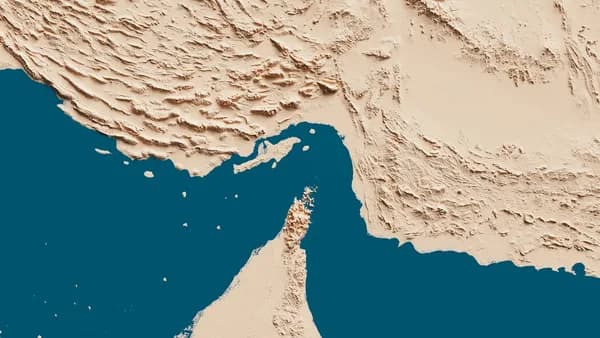
By explicitly drawing a line between coordination and military action, Washington signals it’s not looking to escalate. The region’s oil flows—almost 21 million barrels per day, a fifth of global supply—hang in the balance. That’s why the clarification landed fast, and in public, to tamp down speculation and prevent overreaction in energy and shipping markets.
Diplomatic Focus of Project Freedom Eases Regional Tensions and Market Uncertainty
Reframing Project Freedom as a diplomatic play isn’t just semantics—it shifts the risk calculus for the region and for global investors. When markets believed US warships might return to escort duty, Brent crude spiked 3% in a single trading session. After the clarification, oil futures cooled, and the VIX—Wall Street's fear gauge—retreated from a two-week high.
Why the reaction? A full-blown military operation in the Strait of Hormuz would have raised flashpoint risks with Iran and its proxies. Back in 2019, a similar US-UK naval escort effort followed Iranian seizures of foreign tankers, triggering weeks of volatility and $5-per-barrel surges in oil prices. By drawing back from a direct military posture, the US is signaling to Tehran, Riyadh, and the shipping industry that it wants to avoid a repeat.
Diplomatic coordination means more war rooms, less gunboat diplomacy. It gives the US and its allies flexibility to share intelligence, map safe routes, and pressure Iran through coalition-building instead of missiles. Investors who remember the aftermath of the 1987 “Tanker War” know the difference: when the US started escorting reflagged Kuwaiti tankers, insurance rates tripled overnight and global supply chains buckled.
The new stance suggests Washington wants to keep the Strait open and calm—without a show of force that could backfire. For now, that means lower premiums, steadier oil flows, and a breather for risk-sensitive assets.
Next Steps: Monitoring US-Iran Relations and Regional Security Dynamics Post-Project Freedom Clarification
Don’t mistake the US clarification for a permanent détente. The Gulf remains a powder keg, and the impact of Project Freedom will hinge on how Iran and its regional rivals respond.
Diplomatic coordination is only as strong as the coalition behind it. Watch for signs that European navies, Gulf monarchies, or Asian oil importers sign on as active partners. If the UAE or Saudi Arabia move warships or intelligence assets into alignment with the US, it could signal a new phase of multilateral security management—short of war, but firmer than dialogue alone.
On the diplomatic front, backchannel talks between Washington and Tehran remain a wild card. If coordination efforts succeed in keeping commercial shipping safe, pressure could ease on both sides to escalate. But any incident—a seized tanker, a drone strike, a naval skirmish—could force a reassessment and push the US back toward military options.
Energy traders aren’t letting their guard down. The Strait of Hormuz still handles one in every five barrels traded globally. Any sign of renewed tension—insurance rate spikes, rerouted tankers, or new sanctions—will ripple through oil futures and shipping stocks within hours.
The real test for Project Freedom will come if the next crisis breaks out. If coordination holds and military action stays off the table, it could mark a new playbook for US engagement in the Gulf—one that values coalition-building over confrontation, at least until the next red line is crossed.