Iran’s 14-Point Plan Raises the Stakes: A No-Compromise Signal to Washington
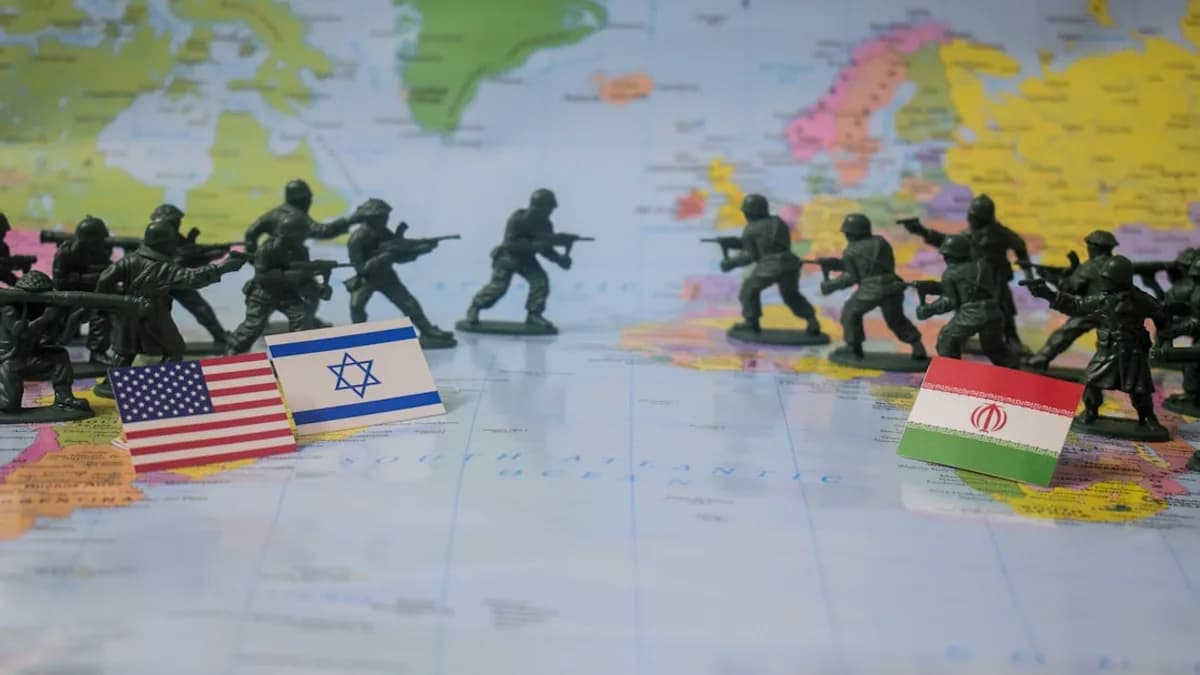
Iran isn’t hedging or negotiating with nuance—its new 14-point plan demands a full US troop withdrawal from the region and sweeping sanctions relief, a posture designed to force Washington’s hand or kill talks outright. This isn’t a soft opening bid; it’s a calculated escalation that risks freezing already stalled nuclear negotiations. Tehran’s gambit signals it’s tired of incremental changes and piecemeal concessions, setting a bar so high that the US would need to overhaul not just policy but its entire regional strategy.
The plan’s publication, timed just as back-channel talks showed faint signs of progress, is widely seen as a hardening of Iran’s position. It directly targets core US interests: military influence across the Gulf and economic leverage through sanctions. If accepted, these demands would unravel decades of US security architecture and reset the economic playing field not only for Iran but for its rivals and neighbors.
Diplomatic relations between Washington and Tehran have always been fragile, but this package ups the ante. By making troop withdrawal non-negotiable and linking it to sanctions, Iran is betting the US either walks away or is forced to negotiate from a position of weakness. This is not posturing; it’s a challenge to the fundamentals of US power in the Middle East, as CryptoBriefing reports.
Quantifying the Impact: Sanctions, Military Footprint, and Nuclear Negotiation Data
Sanctions have gutted Iran’s economy. US restrictions, ramped up after the Trump administration exited the JCPOA in 2018, slashed Iran’s oil exports from 2.5 million barrels per day in 2017 to under 1 million by late 2019. Foreign currency reserves dropped from $122 billion in 2018 to less than $4 billion by 2021, according to IMF estimates. Inflation soared above 40%, unemployment cut through the middle class, and GDP contracted by more than 6% in 2019.
On the military side, Iran’s demand isn’t theoretical. The US maintains roughly 45,000 troops across the Middle East, including 2,500 in Iraq, 900 in Syria, and sizable contingents in Qatar, Bahrain, and Kuwait. These deployments are integral to American strategy for containing Iran and supporting allies like Saudi Arabia and Israel. Withdrawal would mean ceding strategic depth and intelligence assets—something the Pentagon has consistently opposed.
Nuclear negotiations have been a rollercoaster. After the JCPOA took effect in 2015, Iran’s nuclear program slowed, centrifuge counts dropped, and uranium enrichment fell below 4%. But after the US withdrawal, Iran ramped up enrichment to 60% purity (just short of weapons-grade), installed advanced centrifuges, and blocked IAEA inspections at key sites. Talks in Vienna (2021-2022) stalled over sequencing: Iran wants sanctions lifted first, the US wants nuclear compliance before relief. Each failed round has seen Iran expand its nuclear activities, narrowing the window for a deal.
Stakeholder Perspectives: US, Iran, and Global Reactions
US officials see troop withdrawal as a nonstarter. The Pentagon and State Department argue that regional deployments deter Iranian aggression, protect energy infrastructure, and reassure partners. Any move to pull out would face fierce congressional opposition, especially after the Afghanistan exit debacle. Sanctions relief is equally contentious: hawks warn it would embolden Iran’s proxies and strengthen the regime, while diplomats argue targeted relief could incentivize moderation.
Iranian leadership frames the 14-point plan as a survival strategy. Supreme Leader Khamenei and President Raisi insist that only maximalist demands can break the “cycle of humiliation” inflicted by Western powers. Tehran’s negotiators point to past US reversals—like the JCPOA exit—as proof that trust is misplaced. By tying sanctions and troop withdrawal together, Iran is signaling it won’t settle for symbolic gestures.
European allies are caught between Washington’s hard line and their own desire for stability. The EU, which helped broker the original JCPOA, publicly urges compromise but privately doubts Washington’s willingness to lift sanctions or make meaningful military reductions. Gulf states, especially Saudi Arabia and the UAE, fear that a US pullback would leave them vulnerable to Iranian expansion and destabilize oil markets.
The UN and IAEA focus on compliance and verification but have little leverage. Their main concern is preventing a nuclear breakout, but with Iran restricting inspections, their influence is waning.
Historical Lessons: How Iran’s Strategy Has Shifted—and What Usually Happens
Iranian demands have morphed with each negotiation cycle. In 2003, Tehran offered broad concessions—suspending enrichment, cooperating on inspections—in exchange for security guarantees and gradual sanctions relief. The Bush administration rejected the overture, leading to years of nuclear advancement. The JCPOA in 2015 was the first time both sides compromised: Iran agreed to stringent limits and transparency, while the US and EU lifted energy and financial sanctions.
But post-2018, Iran shifted tactics. Instead of incremental bargaining, it now demands all-or-nothing deals. This mirrors North Korea’s strategy: raise stakes, escalate enrichment, and make concessions only after sanctions are lifted. The US, however, has stuck to a “compliance first” model—relief comes only after verified steps.
Past impasses led to escalation. When talks broke down in 2012, Iran accelerated enrichment and regional proxy activity. When the JCPOA collapsed, Iran increased uranium stockpiles and military maneuvers in the Gulf. The result: each failed negotiation left both sides further apart, and the window for compromise shrank.
Energy Markets and Security: What’s at Risk if Talks Fail
If negotiations stall, global oil markets will feel the shock. Iran’s return to full-scale exports could drop Brent crude prices by $10-15 per barrel. Conversely, continued sanctions and military tension risk pushing prices above $100 if supply disruptions spread. Iran holds about 10% of global oil reserves and is OPEC’s third-largest producer—its output swings move markets.
Regional security hangs in the balance. US troop withdrawal would embolden Iranian proxies in Iraq, Syria, Lebanon, and Yemen. Saudi Arabia and Israel would likely ramp up their own military activities, triggering an arms race and increasing chances for miscalculation. Already, drone strikes and cyberattacks trace back to Iranian-backed groups, and a US pullback would open space for more aggressive moves.
Sanctions relief could reshape alliances. If Iran’s economy rebounds, it may invest more in its ballistic missile program and regional proxies, but it could also seek closer ties with Europe and Asia, especially China (which already buys Iranian oil despite sanctions). Gulf states might hedge, deepening relations with Russia and China to offset US retrenchment.
Scenarios and Predictions: Where US-Iran Relations Are Headed
Three scenarios dominate the horizon:
1. Diplomatic Stalemate: The most likely outcome. Iran’s maximalist demands harden US positions, talks limp along but never reach a deal. Iran continues expanding its nuclear program, the US maintains sanctions and troop presence, and regional tensions simmer. Oil prices stay volatile, with periodic spikes.
2. Partial Deal: A remote possibility. Both sides compromise—US offers targeted sanctions relief, Iran freezes enrichment short of weapons-grade. Troop reductions are symbolic, not substantial. This buys time, but doesn’t resolve core issues.
3. Escalation: If talks collapse entirely, Iran could accelerate nuclear activities to weapons threshold. The US might respond with covert action, cyberattacks, or targeted strikes. Gulf states prepare for conflict, and energy markets panic.
Given the history and current posture, scenario one is the clear frontrunner. Iran’s demands are calibrated to force a showdown, not a handshake. Unless the US shifts strategy—unlikely given domestic politics and regional commitments—the nuclear impasse will deepen, leaving both sides locked in a cycle of escalation. For investors and analysts, the message is clear: expect volatility, not resolution, in the months ahead.
The Stakes
- Iran’s plan pressures the US to fundamentally rethink its military and economic presence in the Middle East.
- Sweeping sanctions relief could dramatically change Iran’s economy and regional power dynamics.
- The uncompromising stance risks derailing nuclear talks and increasing geopolitical instability.