UAE Officially Leaves OPEC Amid Rising Strait of Hormuz Tensions
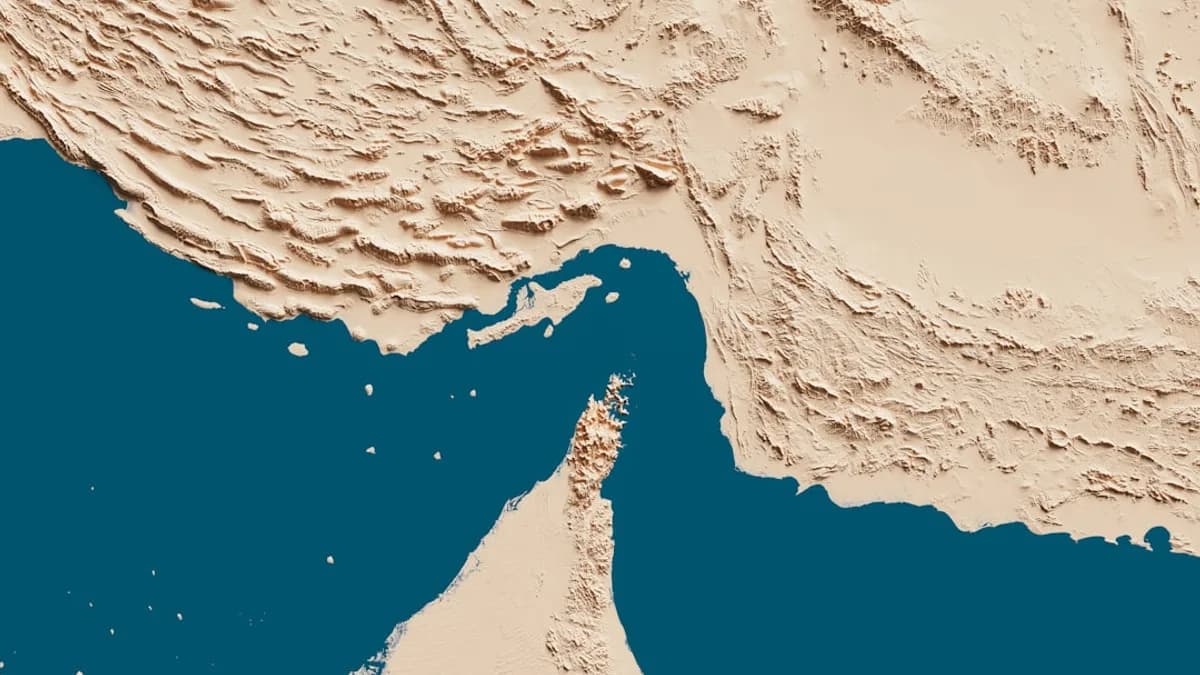
The United Arab Emirates stunned oil markets Friday by announcing its immediate departure from OPEC, citing the escalating crisis in the Strait of Hormuz as a breaking point. The decision, confirmed by a Cabinet-level statement in Abu Dhabi at 8:00 a.m. local time, marks the first time a Gulf Arab state has left the cartel since Qatar’s 2019 exit. The UAE’s energy ministry pointed directly to “unresolved security threats to maritime oil flows” and “diverging interests within OPEC” as triggers, referencing repeated disruptions to shipping lanes near its Fujairah export terminal.
According to CryptoBriefing, OPEC officials scrambled to schedule an emergency virtual meeting, while Saudi Arabia issued a terse statement expressing “regret” and urging “regional unity.” The UAE government insisted it would “guarantee supply commitments to core partners,” but declined to specify whether it would ramp up or cut daily crude output—currently near 3.4 million barrels per day.
The country’s new posture signals a break from decades of coordinated production quotas. Industry analysts noted that the UAE’s export strategy could now shift rapidly, with more flexibility to strike bilateral deals, adjust output, or hedge against future regional turmoil. The government also hinted at new investments in alternative shipping routes and energy security infrastructure, aiming to reduce reliance on the choke-pointed Hormuz passage.
Regional Geopolitical Strains Drive Shifts in Global Oil Market Dynamics
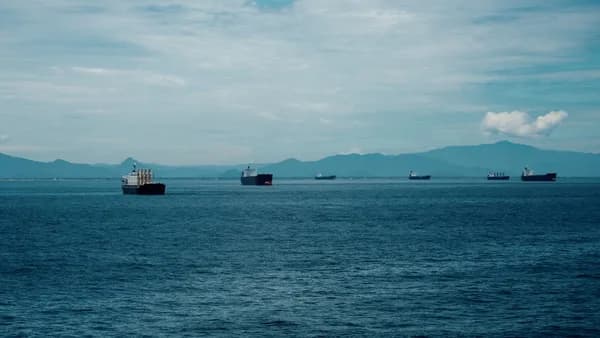
The Strait of Hormuz, a 21-mile-wide corridor handling roughly 21% of global oil flows, has become a flashpoint for drone attacks, naval standoffs, and sabotage over the past six months. Insurers have raised premiums on Gulf-bound tankers, and spot shipping rates spiked 44% in February alone. The UAE’s exit from OPEC doesn’t just fray the group’s unity—it exposes the cartel’s dwindling ability to coordinate in the face of hard security threats.
OPEC’s power has long depended on Gulf consensus. Without the UAE, the group loses its third-largest producer and a key moderating voice in quota negotiations. The last major member to quit—Qatar—had a far smaller production profile and political footprint. The UAE, in contrast, controls over 6% of the world’s proven oil reserves and has deep ties to both Western and Asian buyers.
Immediate market reaction was violent: Brent crude surged 7% to trade above $92 per barrel within hours of the announcement. Futures volatility jumped, with options markets pricing in a wider risk premium for Middle East supply. Goldman Sachs revised its Q3 2024 oil forecast upward by $8, citing “unprecedented uncertainty” around both OPEC cohesion and Gulf shipping safety.
Regional alliances are shifting as well. The UAE has signaled closer energy ties with India and China, while distancing itself from Saudi-led OPEC policies. Some analysts draw parallels to the 2016 OPEC+ formation, when Russia entered as a counterweight to Saudi dominance, but today’s split is starker. The UAE’s independent path could spark a domino effect—smaller producers facing similar security risks may reconsider their own OPEC memberships.
Future Outlook: What UAE’s OPEC Exit Means for Global Energy Security
The UAE now holds a wildcard position in global energy markets. Free from OPEC quotas, it could boost output to seize market share if supply disruptions persist—or cut exports to drive up prices, depending on its strategic calculus. Abu Dhabi’s focus on expanding Murban crude contracts and developing new pipeline routes to the Indian Ocean hints at a long-term strategy to bypass Hormuz bottlenecks altogether.
OPEC, already weakened by internal rifts and the rise of U.S. shale, faces a credibility test. The group’s ability to manage prices and signal stability is diminished without the UAE’s production heft and diplomatic reach. Expect OPEC to court other swing producers—possibly Angola or Nigeria—but regaining cohesion will be uphill.
Diplomatic efforts to de-escalate the Strait of Hormuz crisis are underway, with the UN and regional powers pushing for a maritime non-aggression pact. Watch for upcoming G20 energy talks and any new security guarantees for Gulf shipping lanes—either could temper market panic or, if they fail, deepen the supply crunch.
Investors and energy buyers should track three indicators: the UAE’s next export figures, OPEC’s revised output targets, and insurance/shipping costs through Hormuz. Any sharp move in these could trigger fresh price swings or reveal the long-term shape of post-OPEC Middle East oil politics. The world’s energy security calculus just got a lot more complicated.
The Bottom Line
- The UAE’s OPEC exit introduces new uncertainty for global oil prices and supply stability.
- Strait of Hormuz tensions threaten a crucial corridor for nearly a quarter of world oil flows.
- More flexible UAE oil policies may reshape regional energy alliances and market dynamics.