Dubai Airport Experiences Sharp 66% Decline in Passenger Traffic Due to Iran Conflict
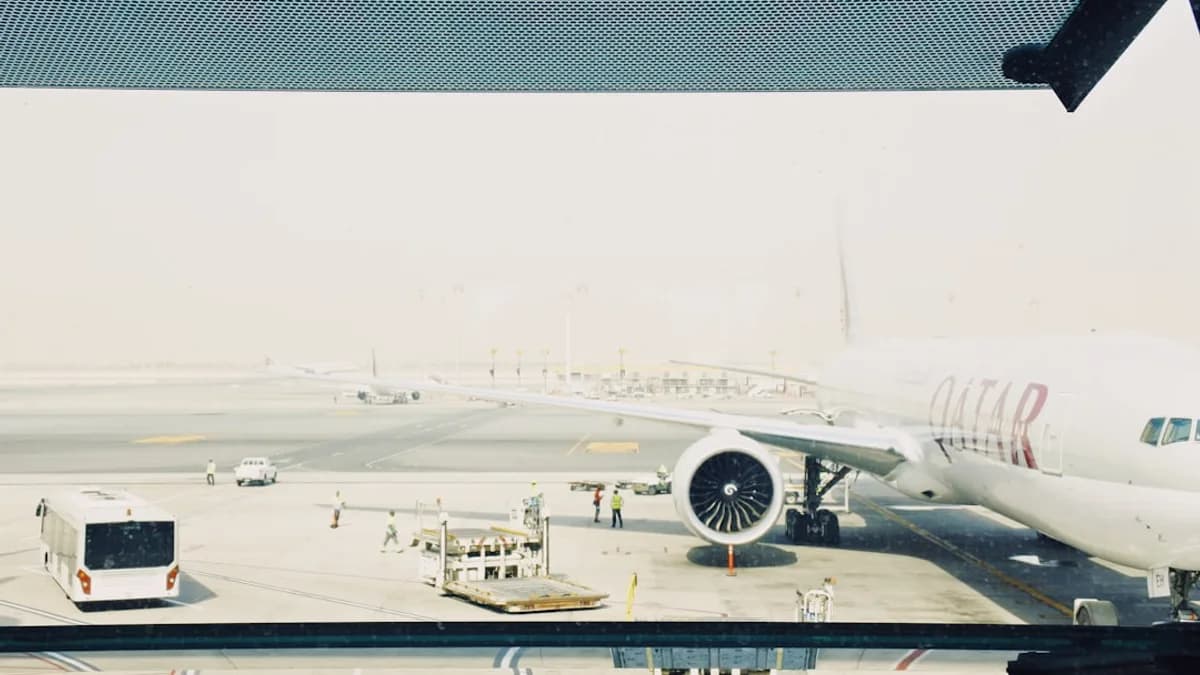
Passenger numbers at Dubai International Airport plunged 66% last week, a collapse traced directly to airspace closures and flight cancellations triggered by the latest Iran-Israel military escalation. The drop, the steepest since the pandemic, wiped tens of thousands of travelers off manifests almost overnight, according to CryptoBriefing.
The disruption started on April 13, when Iran launched hundreds of drones and missiles toward Israel. Airlines scrambled to reroute or ground flights as Gulf airspace became a risk zone, and Dubai—normally the world’s busiest international hub—turned eerily quiet. Emirates, flydubai, and dozens of foreign carriers slashed schedules, leaving stranded passengers and upending cargo logistics.
For airport operators, the fallout is severe: lost landing fees, empty duty-free aisles, and a scramble to manage disrupted ground operations. Airlines face not only direct revenue losses but also mounting compensation claims and the logistical headache of repositioning aircraft and crews. The shockwaves extend to local businesses, from hotels that rely on transit passengers to logistics firms dependent on the airport’s freight throughput.
Geopolitical Tensions in the Middle East Trigger Economic Strain on Dubai’s Aviation Sector
Iran’s attack and the resulting airspace restrictions have laid bare how exposed Dubai’s aviation sector is to regional instability. Even before this week’s crisis, Middle East carriers were battling volatile fuel prices and a patchy post-COVID recovery. Now, the 66% plunge at Dubai International is a warning: the region’s role as a global aviation crossroads comes with geopolitical risk baked in.
Tourism, one of Dubai’s main economic engines, is already wobbling. The city welcomed 17.15 million overnight visitors in 2023—a record rebound after COVID—but a prolonged drop in transit and long-haul traffic could knock billions off GDP forecasts. The knock-on effect on trade is equally stark. Dubai’s airport handled 1.7 million tonnes of cargo in 2022, with much of it high-value, time-sensitive shipments. Flight cancellations mean delays, spoilage, and rerouted freight—costs that ripple through supply chains.
Business connectivity is also taking a hit. Dubai’s value proposition as a regional headquarters and financial center relies on frictionless access to Europe, Asia, and Africa. Investors and multinational firms see aviation resilience as a proxy for broader business stability. If Dubai loses its reputation for reliability—even temporarily—rivals like Riyadh or Doha could seize the moment to lure conferences and corporate relocations.
The last comparable disruption was in 2017, when the blockade of Qatar forced months of rerouting. But unlike that episode, which mainly affected Qatar Airways, the Iran-Israel crisis has cast uncertainty over the entire Gulf air corridor. Insurance premiums are rising across the sector, and some carriers are weighing whether to keep certain routes suspended indefinitely.
Future Outlook: How Dubai Airport and Regional Aviation Could Navigate Continued Geopolitical Challenges
Dubai Airports and local carriers are already mapping out contingency plans to staunch further losses. Strategies on the table include negotiating new overflight agreements with neighboring states, investing in real-time threat intelligence, and ramping up partnerships with alternative hubs in Muscat or Jeddah for critical reroutes.
Airlines will likely accelerate their pivot to shorter-haul routes and point-to-point traffic, reducing reliance on vulnerable long-haul transfers. Expect a renewed push for digital rebooking tools and flexible ticketing policies to rebuild traveler confidence—lessons hard-learned during the pandemic.
The biggest variable is the regional security outlook. If Iran-Israel tensions cool, airspace could reopen and schedules normalize within weeks. But if tit-for-tat strikes persist, insurers may pull coverage, and carriers could exit routes for an entire season. The next OPEC and GCC summits, alongside ongoing US diplomatic efforts, will serve as early warning signs for the sector’s recovery trajectory.
Investors and operators will be watching weekly passenger numbers, cargo throughput, and—critically—forward bookings for the summer travel peak. Any sustained weakness could trigger cost-cutting, layoffs, or a pause in expansion projects at Dubai’s airports. For now, the world’s busiest long-haul hub finds itself at the mercy of forces far beyond its runways.
Impact Analysis
- A 66% drop in passengers highlights how geopolitical tensions can quickly disrupt global travel hubs.
- The fallout affects not just airlines and airports, but also local businesses reliant on tourism and logistics.
- Dubai’s status as an international aviation crossroads exposes it to wider regional instability risks.