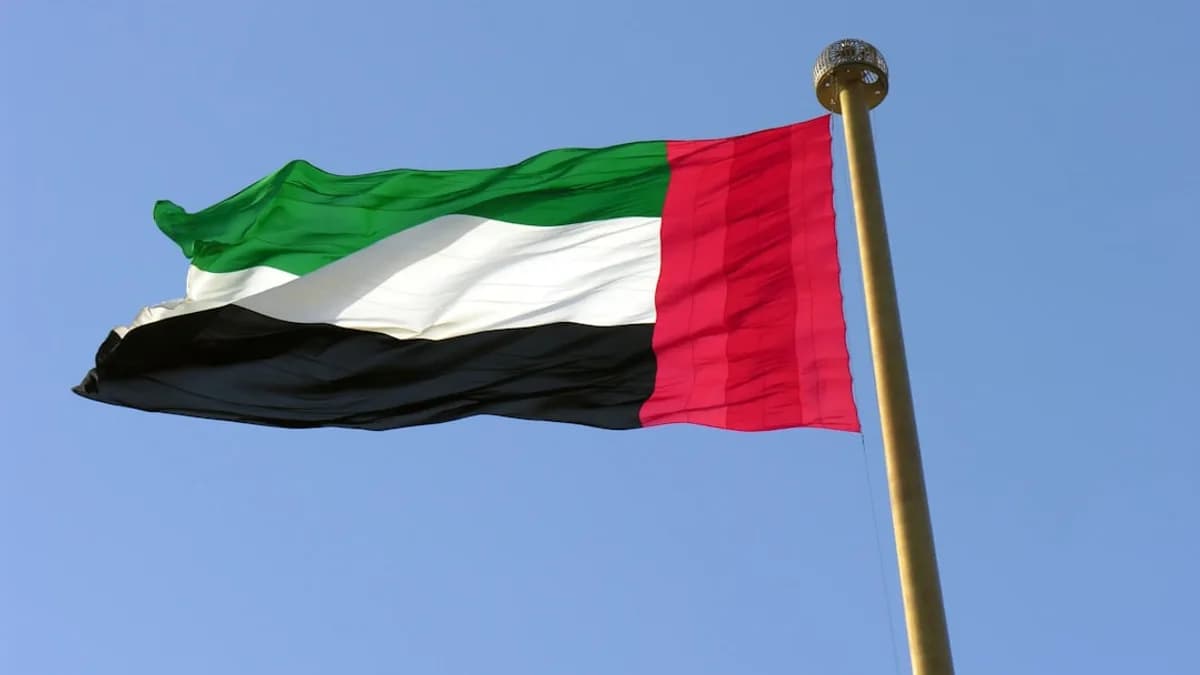
How the UAE-Israel Alliance Is Redrawing Middle East Diplomatic Fault Lines
When the UAE and Israel deepened their alliance, they didn’t just sign a trade deal—they sent shockwaves through an already brittle regional order. The partnership, formalized under the Abraham Accords in 2020 and now expanding from commerce to security coordination, is increasingly testing the patience of Qatar and other Gulf states. This alliance isn’t just about mutual benefit; it’s a calculated move to counterbalance Iran’s influence and hedge against the unpredictability of Saudi policy shifts, as CryptoBriefing reports.
Qatar’s response has been swift and pointed. Officials warn that the UAE-Israel axis risks isolating Doha and undermining decades of multilateral diplomacy. The alliance challenges Qatar’s longstanding position as a neutral broker, especially as it hosts Hamas leaders and maintains open channels with Iran. Kuwait, Oman, and Bahrain are also watching closely, wary of being forced into uncomfortable diplomatic choices.
For the UAE, this alliance is less about ideology and more about security pragmatism. Israel brings advanced cybersecurity, intelligence, and counterterrorism expertise—assets the Emirates value as Iran’s proxies flex muscle across the region. But the strategic calculus is clear: by aligning with Israel, the UAE is betting on a future where American influence wanes and regional self-reliance becomes critical. The fallout? A region where old alliances fracture and new power blocs emerge, making every diplomatic move riskier and more consequential.
Quantifying the Geopolitical Impact: Airspace Access and Economic Implications
Iran’s threat to close its airspace to UAE and Israeli flights isn’t symbolic—it’s a direct hit to the arteries of Middle Eastern commerce. Every day, about 1,500 flights cross Iranian skies, according to ICAO data. If Iran pulls the plug, carriers like Emirates, Etihad, and El Al face reroutes adding up to 2-3 hours per flight. Multiply that by fuel costs—about $5,000-$10,000 extra per segment—plus crew overtime and passenger delays, and the bill quickly tops $100 million monthly for the region’s airlines.
Trade routes would suffer an even bigger blow. The UAE’s ports handle $500 billion in annual trade, much of it destined for Europe and Asia. Losing access to the fastest air corridors means longer shipping times, missed connections, and higher insurance premiums. Tourism, already battered by regional instability, faces new uncertainty as travelers opt for less complicated routes.
Aviation isn’t the only industry at risk. The Gulf’s energy sector depends on rapid, reliable logistics to move personnel and parts between fields and global markets. Delays disrupt schedules and drive up costs. Even fintech and finance—where cross-border meetings and deals rely on seamless travel—will feel the squeeze. If Iran follows through, expect ripple effects across every sector tied to mobility, trade, and connectivity.
Diverse Stakeholder Perspectives: Qatar, Iran, UAE, Israel, and Global Powers Weigh In
Qatar sees the UAE-Israel partnership as a direct challenge to its diplomatic clout. Doha’s foreign ministry has signaled concern that new security arrangements could marginalize its mediation efforts, especially as it tries to defuse tensions in Gaza and Yemen. Qatar’s track record as a neutral party relies on open dialogue with both Western powers and regional rivals; this alliance risks making that neutrality look obsolete.
Iran’s motivations are more layered. Tehran regards the partnership as an encroachment on its sphere of influence—especially given the UAE’s proximity and Israel’s intelligence footprint. By threatening to close its airspace, Iran aims to remind neighbors of its leverage, while signaling to domestic hardliners that it’s not capitulating. Yet, Iran’s own economy—already strained by sanctions—depends on transit fees and overflight revenue (estimated at $300 million annually). If it closes the skies, it risks losing critical income and sparking retaliation.
The UAE and Israel are playing a longer game. Both states calculate that closer ties will attract Western investment, enable new joint ventures in tech and defense, and deter Iranian aggression. UAE officials argue that regional realignment is overdue, and that standing with Israel is a pragmatic way to shape the post-American Middle East. Israel, meanwhile, seeks partners who can amplify its diplomatic reach and help normalize its presence in Arab capitals.
Global powers are caught between interests and ideals. The US, while publicly supporting the Abraham Accords, is wary of alienating Qatar—a key partner in its regional military posture. The EU wants stability for trade, but is cautious about new fault lines that could spark conflict or disrupt supply chains. Russia and China, meanwhile, see opportunities to expand their influence by offering alternative routes and deals to any state squeezed by Western alliances.
Tracing the Evolution of Gulf Alliances: From Rivalries to New Partnerships
The Gulf has never been a monolith. The GCC, formed in 1981, was meant to unify the region against external threats, but internal rivalries—especially between Qatar, Saudi Arabia, and the UAE—have repeatedly fractured the bloc. The 2017 blockade of Qatar by its neighbors, ostensibly over alleged support for terrorism, exposed deep divisions over foreign policy, ideology, and economic competition.
Previous peace deals, like Egypt’s 1979 treaty with Israel or Jordan’s 1994 agreement, were isolated events, not regional pivots. The Abraham Accords marked a departure: a Gulf state openly normalizing relations with Israel, backed by US guarantees and incentives. This set off a domino effect—Bahrain, Morocco, and Sudan followed, albeit with less enthusiasm.
Now, the UAE-Israel alliance is more ambitious. It goes beyond diplomatic gestures, encompassing joint military drills, intelligence sharing, and even coordinated economic strategies. The alliance reflects a broader shift: Gulf states prioritize stability, technology, and investment over pan-Arab solidarity. The result is a region where old loyalties are fading and new partnerships are driven by necessity, not ideology.
What the UAE-Israel Alliance Means for Regional Stability and International Business
The risks are tangible. Regional security could deteriorate if Iran retaliates, either through cyberattacks, proxy strikes, or airspace closures. The Gulf’s fragile balance—already strained by wars in Yemen and Syria—could tip if diplomatic channels collapse. For international business, the stakes are high: aviation faces higher operating costs, energy firms risk delays, and financial institutions may need to rethink regional strategies.
On the upside, the alliance could unlock new opportunities. Israeli tech firms gain access to Gulf capital, while Emirati companies tap Israeli R&D. Joint ventures in AI, cybersecurity, and fintech are already underway, with billion-dollar deals announced since 2020. If the alliance holds, it could create a new axis for innovation and investment, drawing in US and European partners.
But ongoing tensions threaten to undermine these gains. If airspace restrictions persist or expand, global supply chains could reroute, driving up costs for everything from semiconductors to oil. Investors may hesitate, waiting for clarity before committing capital. The region’s reputation—already volatile—could suffer, making it harder to attract talent and build long-term projects.
Predicting the Future: Potential Scenarios for Middle East Diplomacy and Airspace Access
Three scenarios loom. First, a diplomatic reset: Gulf states broker a compromise, perhaps with US mediation, restoring airspace access and de-escalating rhetoric. This would require concessions from both the UAE and Israel, possibly involving limits on security cooperation or overtures to Iran.
Second, a drawn-out escalation: Iran closes its skies, regional airlines reroute, and tit-for-tat moves follow. This scenario would drive up costs, disrupt trade, and harden alliances. Over time, Gulf states may seek alternative routes—via Turkey, Egypt, or Russia—but efficiency and profitability will suffer.
Third, a new regional architecture: The UAE-Israel partnership proves durable, prompting other states to join or adapt. Iran’s influence wanes as Gulf states deepen ties with Western and Asian partners. Airspace restrictions become normalized, and the region’s logistics networks evolve to bypass chokepoints.
Based on recent trends—rising trade volumes, persistent regional rivalries, and US reluctance to intervene—the second scenario is most likely in the near term. Expect sustained airspace disruptions, tighter alliances, and higher costs for business. Long-term, the Middle East will continue to fracture along new lines, with technology and investment—not ideology—driving the next wave of realignment. Investors and executives should prepare for volatility, but watch for opportunities as new partnerships reshape the region’s commercial and geopolitical future.
Impact Analysis
- The UAE-Israel alliance risks destabilizing decades-old diplomatic balances in the Gulf region.
- Potential closure of Iranian airspace threatens major disruptions to commercial aviation and trade.
- Qatar and other Gulf states may be forced into new alliances or confrontations, reshaping regional geopolitics.