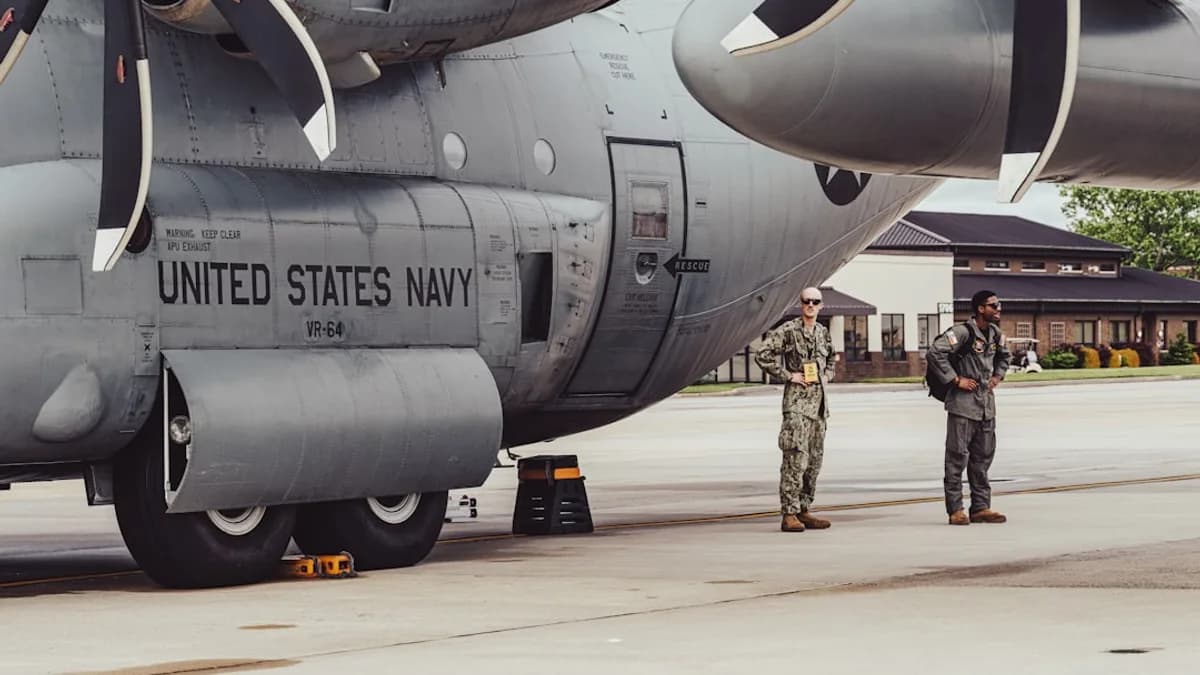
US Pulls 5,000 Troops from Germany in Major NATO Shift
The US is withdrawing 5,000 troops from Germany, the biggest reduction of American forces there in more than a decade and a move that rattles NATO’s post-Cold War order. The Pentagon confirmed the drawdown will happen over the next six months, citing “strategic alignment” but sidestepping questions about whether disputes inside NATO played a role, according to CryptoBriefing.
US defense officials said the withdrawal, which affects about a quarter of the 21,000 US troops stationed in Germany, targets units involved in logistics, intelligence, and rapid response. Their departure leaves holes in NATO’s command structure and raises questions about the alliance’s readiness along its eastern flank.
German Chancellor Olaf Scholz called the decision “regrettable” and warned it could weaken Europe’s ability to respond to crises. US Secretary of Defense Lloyd Austin insisted the US remains “fully committed to NATO,” but Berlin’s unease was clear. The announcement follows months of friction over defense spending and strategic priorities, with Washington pushing allies to boost their own military contributions.
Immediate fallout included sharp questions from both parties in Congress and a rare rebuke from Germany’s defense minister, who said the withdrawal “undercuts unity in uncertain times.”
Implications of the Troop Withdrawal for NATO Unity and European Security
Pulling 5,000 troops out of Germany signals more than a tactical shuffle—it exposes fractures in the alliance’s trust and decision-making. NATO’s Article 5, the cornerstone of collective defense, relies on rapid US reinforcement. Fewer boots on the ground in Germany—the alliance’s logistics and command hub—means longer response times if crises erupt on Europe’s borders.
NATO unity has frayed before, but the scale of this withdrawal dwarfs the 1,200-troop reduction under President Trump in 2020, which was later paused. This time, the context is sharper: Russia’s war in Ukraine, rising tensions in the Baltic states, and a growing chorus in Washington questioning Europe’s defense spending. Germany’s defense budget, at 1.57% of GDP in 2023, still falls short of NATO’s 2% target—a sore point for US policymakers.
European analysts warned that the move could embolden adversaries. “It’s a signal that the US is less interested in stationing forces here, and that will be noted in Moscow and Beijing,” said Ulrike Franke, a senior policy fellow at the European Council on Foreign Relations.
France and Poland both responded by urging Berlin to accelerate military modernization, while Baltic states privately expressed concern over their own security guarantees. The US withdrawal also complicates NATO’s plans for a 300,000-troop rapid reaction force, announced last year but still under-resourced.
The timing is awkward. With Finland and Sweden joining NATO and the Ukraine conflict grinding on, alliance cohesion is under the microscope. Critics argue that visible US retrenchment could trigger a domino effect, with other allies hedging their commitments or ramping up calls for “European strategic autonomy”—a longstanding but contentious idea that the EU should develop independent defense capabilities.
What to Expect Next: NATO’s Response and Future of US Military Presence in Europe
NATO’s next summit, set for Washington in July, will now be dominated by questions about US intentions. Secretary General Jens Stoltenberg scheduled emergency consultations for next week, aiming to prevent public infighting and assure frontline states that deterrence remains credible.
Diplomats in Brussels are gaming out possible US offers to offset the drawdown, such as rotational deployments or pre-positioned equipment in Poland and Romania. But those measures lack the political symbolism and speed of a permanent presence in Germany. The Pentagon is also reviewing deployments in Italy and Spain, raising the prospect of a broader reshuffling across the continent.
European leaders face a stark choice: accelerate defense integration and spending, or risk being sidelined in future US strategic calculations. US defense contractors may see new opportunities if Germany and its neighbors rush to fill the gap, while European arms manufacturers could also benefit from a renewed focus on homegrown capabilities.
Markets will watch closely for signs of further US disengagement, especially as budget battles heat up in Washington. The next flashpoint could be US support for NATO’s eastern flank deployments—a test that will reveal whether this withdrawal is a one-off or the start of a longer-term shift.
Bottom line: The US move forces NATO to confront its own fault lines. Whether the alliance adapts or fragments will shape Europe’s security for years.
Impact Analysis
- The withdrawal reduces NATO's rapid response capacity in Europe.
- It exposes tensions and strategic disagreements within the alliance.
- Germany and other European allies may face greater pressure to boost defense commitments.