Introduction: Context and Stakes of the Strait of Hormuz
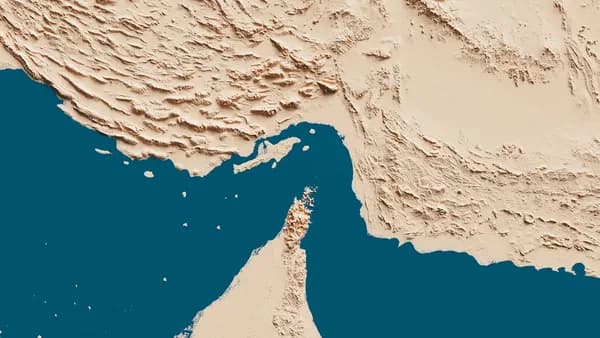
Few stretches of water carry as much strategic weight as the Strait of Hormuz. Connecting the Persian Gulf with the Arabian Sea, the Strait is a vital artery for global energy, with nearly a fifth of the world’s oil supply passing through its narrow channel. Recent developments have thrust the Strait back into international headlines: Iran’s decision to reopen the waterway after heightened tensions was met with a flurry of diplomatic activity, including proposals for a multinational defensive mission spearheaded by UK Prime Minister Keir Starmer and French President Emmanuel Macron [Source: Source]. While the reopening prompted a sharp tumble in oil and gas prices, it also ignited debates about the motivations behind these political maneuvers. This opinion piece examines whether Starmer and Macron’s plan is a genuine attempt at securing global stability—or a case of political posturing designed to boost their relevance on the world stage.
Political Posturing: Starmer and Macron’s Quest for Relevance
The accusation that Starmer and Macron are “playing at being relevant” is not without merit. Both leaders face domestic and international pressures that shape their responses to crises like the Hormuz situation. For Starmer, the opportunity to lead a European coalition offers a chance to assert UK influence in the post-Brexit era, projecting strength and global engagement at a time when Britain’s international standing is in flux. Macron, meanwhile, has frequently positioned himself as a champion of European strategic autonomy, seeking to bridge gaps between the EU, the U.S., and regional actors.
Yet, critics argue that the proposed defensive mission is driven more by image than substance. Announcing that “more than a dozen countries are ready to join” the mission [Source: Source] sounds impressive, but the reality of coordinating such a diverse coalition is fraught with logistical and political challenges. In international politics, symbolism often overtakes action. Starmer and Macron’s initiative risks being perceived as a performative gesture—a photo opportunity rather than a meaningful solution.
Comparing their approach to that of German Chancellor Olaf Scholz underscores the difference. Scholz has called for direct U.S. involvement, recognizing that American military presence and diplomatic weight are often decisive in maintaining regional security [Source: Source]. This pragmatic stance contrasts with the more ambitious, yet arguably less realistic, efforts by Starmer and Macron to rally a purely European-led mission. In a world where power is measured by practical outcomes, not press releases, such initiatives can reveal more about political ambition than genuine leadership.
The Practicality and Risks of the Proposed Strait of Hormuz Defensive Mission
The specifics of the defensive mission are ambitious: a coalition of more than a dozen countries, aiming to “secure the Strait of Hormuz” and ensure uninterrupted passage for commercial vessels [Source: Source]. The stated objectives are clear, but the operational realities are less so. The Strait’s strategic importance also makes it a flashpoint for geopolitical tension, with Iran’s interests directly at odds with Western security efforts.
Securing the Strait is not simply a matter of deploying naval patrols. Iran retains substantial military capabilities in the region, and any international mission risks provoking unintended consequences, including escalation or even direct confrontation. The history of multinational operations in the Persian Gulf is littered with examples of missions that struggled to balance deterrence and diplomacy.
Furthermore, the mission’s promise of “permanent” safe passage, as advocated by Starmer and Macron [Source: Source], may be more aspirational than achievable. The region’s volatile politics, shifting alliances, and the ever-present risk of miscalculation mean that stability is never guaranteed. Without robust diplomatic engagement—including direct dialogue with Iran—military deployments alone will struggle to deliver lasting security. The risk is that the mission becomes a symbolic show of force, generating headlines but failing to address the underlying causes of instability.
Economic Implications: Oil Prices and Global Markets
The reopening of the Strait of Hormuz has immediate economic ramifications. Oil and gas prices tumbled following Iran’s announcement, reflecting the market’s relief and the sensitivity of global energy flows to geopolitical developments [Source: Source]. Investors and businesses track such events closely, knowing that any disruption in the Strait can send shockwaves through supply chains and consumer prices worldwide.
Political maneuvers, like the proposed defensive mission, influence market stability and investor confidence. While statements from leaders such as Starmer, Macron, and even former U.S. President Donald Trump contribute to shaping expectations, the markets ultimately respond to concrete actions. Trump’s reaction to Iran’s reopening—as well as the broader U.S. response—underscores how American involvement can calm or destabilize markets [Source: Source].
The long-term economic stakes are clear: sustained security in the Strait of Hormuz is vital for global energy and financial stability. Symbolic gestures may temporarily reassure markets, but only credible, effective policies will deliver the stability that industry and consumers need. The lesson from recent price movements is that the world’s energy arteries cannot be safeguarded by political theater alone.
Conclusion: Beyond Political Theater – What Should Real Leadership Look Like?
The critique of Starmer and Macron’s approach is rooted in the suspicion that the Strait of Hormuz mission is less about real security and more about political optics. In an era of complex geopolitics, genuine leadership demands more than symbolic gestures and headline-grabbing announcements. The risks and practical challenges inherent in securing the Strait illustrate the need for multilateral, sustained, and effective diplomatic efforts that go beyond image-making.
Responsible leadership in volatile regions requires humility, pragmatism, and a willingness to engage with adversaries as well as allies. Rather than “playing at being relevant,” leaders should focus on building coalitions grounded in shared interests, transparent dialogue, and realistic objectives. Only with such an approach can the world hope to secure its most vital energy routes—and avoid the pitfalls of political theater that offers comfort but little substance.
Ultimately, the Strait of Hormuz will remain a crucible for global diplomacy and economic stability. The path forward is not through grandstanding, but through patient, substantive cooperation that addresses both immediate threats and long-term challenges. The stakes are too high for anything less.