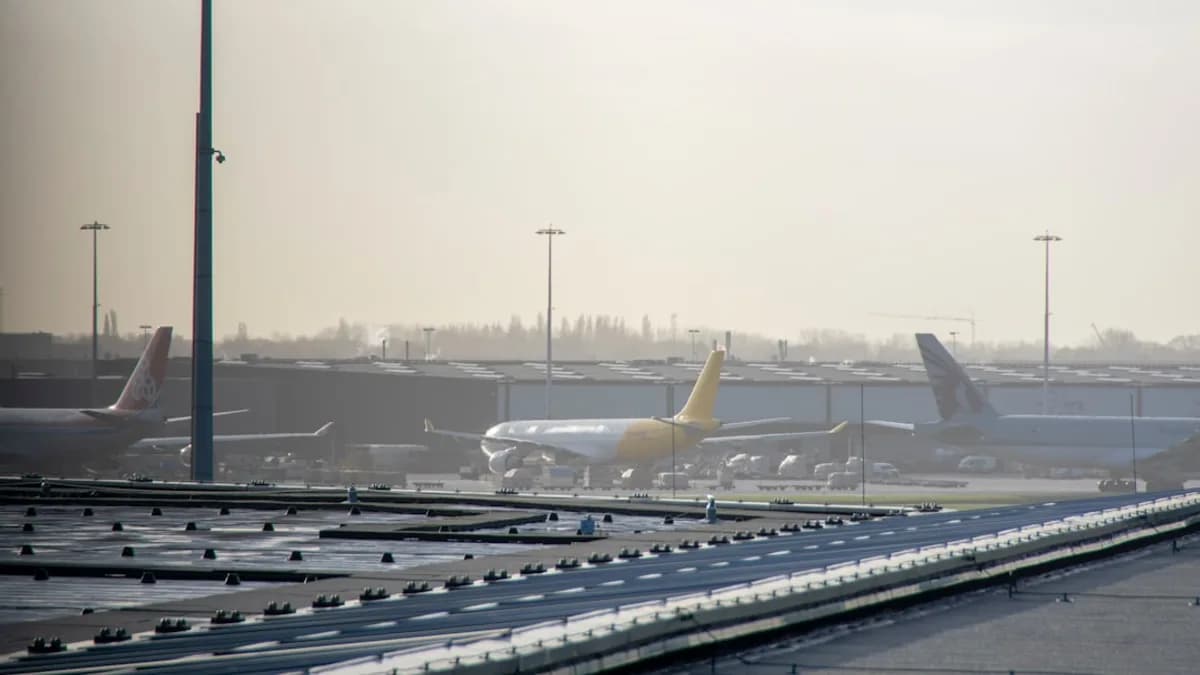
Introduction: The Emerging Jet Fuel Crisis in Europe
Europe is bracing for a turbulent summer travel season as the International Air Transport Association (IATA) warns of a looming jet fuel shortage that threatens to disrupt flight schedules across the continent [Source: Source]. With reports suggesting that European airports may have only six weeks of jet fuel reserves left, both airlines and travelers are facing unprecedented uncertainty [Source: Source]. The jet fuel crunch is particularly concerning given the critical role aviation plays in connecting people, supporting tourism, and facilitating trade. As demand for flights surges to pre-pandemic levels, the specter of cancellations and delays could have ripple effects throughout the travel industry and the broader economy. Understanding the origins and implications of this crisis is essential for stakeholders as they navigate the months ahead.
Root Causes of the Jet Fuel Shortage
The jet fuel shortage gripping Europe is the result of several converging factors, most notably geopolitical tensions and disruptions in key supply routes. The Strait of Hormuz—a vital chokepoint through which much of the world’s oil flows—has seen heightened instability, raising fears about supply interruptions that affect both crude oil and refined products such as jet fuel [Source: Source]. These geopolitical concerns are compounded by volatility in global energy markets, where fluctuating oil prices and refinery constraints have made it increasingly difficult to maintain steady jet fuel production.
European refineries, already grappling with increased demand, have struggled to ramp up output fast enough to meet surging post-pandemic travel needs. The return of international tourism and business travel has outpaced the recovery of fuel supply chains, leaving reserves depleted and refueling operations stretched thin [Source: Source]. Additionally, the aviation sector’s reliance on just-in-time delivery models for fuel has magnified the impact of supply disruptions, making it harder for airports to stockpile reserves for emergencies.
Complicating matters further is Europe’s dependence on imported jet fuel, with the region unable to fully compensate for shortfalls through domestic production alone. As a result, even minor disturbances in global supply chains—whether from geopolitical conflict, refinery outages, or transport bottlenecks—can quickly escalate into widespread shortages that threaten the operational integrity of airlines and airports.
Potential Consequences for Airlines and Travelers
The immediate fallout from Europe’s jet fuel shortage is expected to be felt most acutely by airlines, which may be forced to cancel or delay flights if fuel supplies dwindle further [Source: Source]. Such disruptions could significantly impact airline revenues, as carriers scramble to adjust schedules and cope with higher fuel prices. Operational planning will become increasingly complex, with airlines needing to prioritize certain routes or reduce frequencies to conserve limited fuel stocks.
For travelers, the consequences are likely to include increased ticket prices, fewer available flights, and a heightened risk of last-minute cancellations. The uncertainty surrounding fuel availability could deter some passengers from booking trips, especially to tourism-dependent regions where air connectivity is crucial [Source: Source]. In turn, this may lead to broader economic repercussions for hotels, restaurants, and local businesses that rely on a steady influx of visitors during the summer months.
Moreover, reduced flight options and erratic schedules threaten to undermine consumer confidence in the aviation industry, potentially hampering the recovery of international travel. For families planning vacations, business travelers, and tour operators, the prospect of disrupted journeys adds another layer of complexity to an already challenging landscape. The ripple effects may extend beyond aviation, impacting logistics, supply chains, and the overall vibrancy of Europe’s tourism sector.
European Union’s Strategic Responses and Contingency Plans
Facing growing concerns about jet fuel shortages, the European Union is considering releasing strategic fuel stockpiles to help stabilize supply and prevent widespread flight cancellations [Source: Source]. This move, while potentially effective in the short term, underscores the urgency of the situation and the need for coordinated action among member states.
The EU is also evaluating policy measures aimed at shoring up supply chains and supporting airlines during the crisis. These may include temporary relaxations of fuel import restrictions, increased monitoring of refinery outputs, and closer collaboration with international suppliers. By leveraging its collective bargaining power, the EU hopes to secure additional fuel shipments and mitigate the risk of prolonged disruptions [Source: Source].
Longer-term strategies are also being discussed, with policymakers exploring ways to enhance energy security and reduce the aviation sector’s vulnerability to volatile fuel markets. Initiatives such as diversifying fuel sources, investing in refinery modernization, and accelerating the adoption of sustainable aviation fuels are gaining traction. These efforts could help build resilience against future supply shocks while advancing broader environmental goals.
Crucially, the EU’s response will require close coordination with airlines, airport operators, and national governments to ensure that mitigation measures are implemented swiftly and effectively. Transparent communication with the public will be essential to manage expectations and minimize panic, particularly as the summer travel season approaches.
Global Context and Comparisons
Europe is not alone in grappling with jet fuel shortages; other regions, including parts of Asia and North America, have faced similar challenges in recent years due to refinery outages, supply chain disruptions, and surges in travel demand [Source: Source]. However, Europe’s reliance on imported fuel and its fragmented regulatory landscape make its situation particularly acute.
International aviation bodies, such as IATA and ICAO, are urging governments worldwide to coordinate their responses and share best practices for managing fuel supply risks. Some regions have adopted contingency measures, such as pre-positioning fuel reserves and optimizing flight schedules to conserve resources [Source: Source].
There is also growing interest in alternative fuels and innovations that could alleviate future shortages. Sustainable aviation fuels (SAF), derived from renewable sources, are being touted as a long-term solution, though their widespread adoption remains years away. In the interim, improving refinery efficiency and diversifying supply routes will be critical to ensuring operational stability.
The global nature of the jet fuel crisis highlights the interconnectedness of the aviation industry and underscores the need for collective action to address both immediate risks and longer-term vulnerabilities.
Conclusion: Navigating the Summer Travel Season Amid Fuel Uncertainty
Europe’s jet fuel shortage poses significant risks to the stability of summer travel, with potential flight cancellations, higher ticket prices, and broad economic impacts looming over the aviation sector [Source: Source]. While the European Union and airlines are taking proactive steps to mitigate the crisis—including considering strategic fuel releases and policy interventions—the outcome remains uncertain.
As the travel season unfolds, stakeholders will need to monitor supply chains closely, communicate transparently with travelers, and collaborate on contingency plans to ensure minimal disruption. The crisis also serves as a wake-up call for the industry, highlighting the importance of energy security and the need for investment in alternative fuels and infrastructure.
Ultimately, the ability to navigate this jet fuel crunch will depend on coordinated action among governments, airlines, and suppliers. With the stakes high and time short, Europe’s response may set the tone for how the global aviation industry manages future supply challenges.