Introduction: Iran Declares Strait of Hormuz Fully Open Amid Ceasefire
Iran has announced that the Strait of Hormuz, one of the world’s most strategically important waterways, is now “completely open” to all ships. This declaration comes amid a fragile ceasefire between Israel and Lebanon, a development that has eased regional tensions and sparked immediate reactions across global markets. Oil prices plunged by more than 13%, while the Dow Jones Industrial Average soared by roughly 1,000 points—reflecting the financial world’s swift response to the prospect of increased stability in the Persian Gulf [Source: Source].
The reopening of the Strait, which had been threatened by escalating hostilities, offers a reprieve for international shipping and energy markets. However, while Iran’s statement projects optimism, skepticism remains among industry stakeholders and geopolitical observers, given the complex dynamics still at play in the region. The focus now shifts to monitoring whether this move signals a sustained period of peace and uninterrupted commerce.
Strategic Importance of the Strait of Hormuz
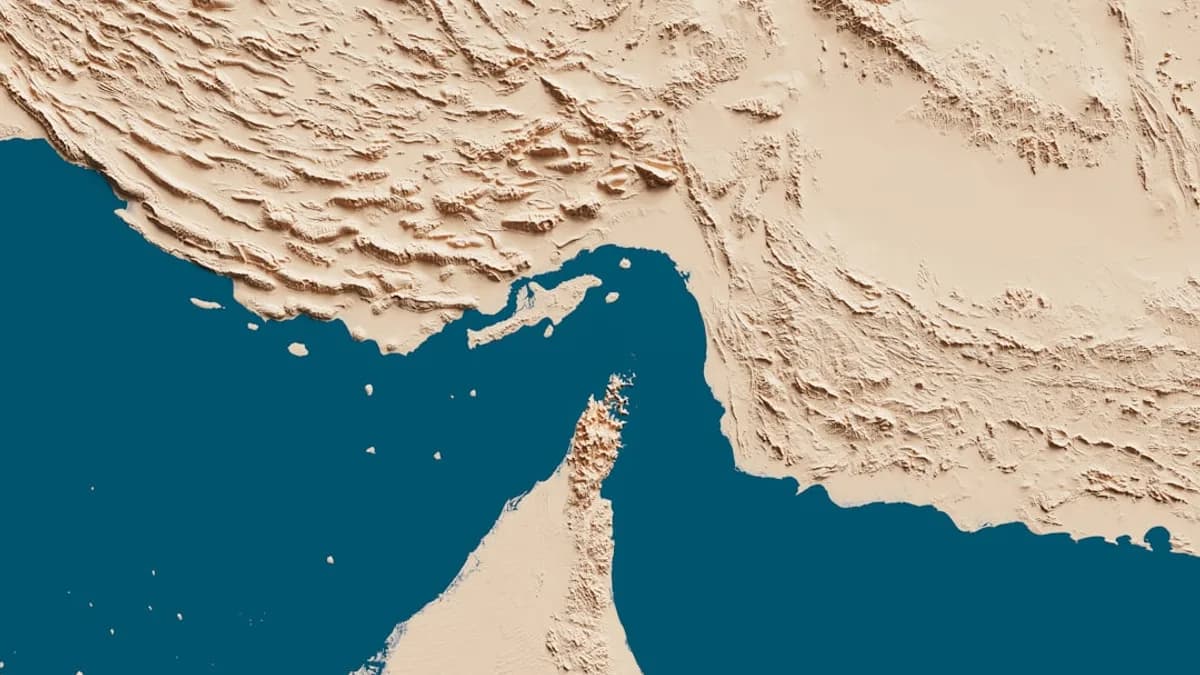
The Strait of Hormuz serves as a vital chokepoint for global oil shipments, making it a linchpin in international energy security. Approximately one-fifth of the world’s petroleum passes through this narrow stretch of water, connecting the oil-rich Persian Gulf with the open sea [Source: Source]. Any disruption in transit can have cascading effects on supply chains, energy prices, and economic stability worldwide.
Historically, the Strait has been a flashpoint for geopolitical tensions and military confrontations. Its significance was underscored during previous conflicts, such as the Iran-Iraq War in the 1980s and the various standoffs between Iran and Western powers. In each instance, threats to the Strait’s openness resulted in price spikes and heightened risk for traders and governments alike. The most recent escalation, triggered by hostilities between Israel and Lebanon, once again raised fears of potential blockades or attacks on commercial vessels.
The Strait’s importance is not limited to oil; it is also a conduit for liquefied natural gas and other key exports. Ensuring the free flow of shipping through the Hormuz is essential for both regional economies and global markets. This makes any official declaration regarding its status—from Iran or other local powers—a matter of international interest and scrutiny.
Details of Iran’s Announcement and Regional Implications
Iranian authorities issued their statement declaring the Strait of Hormuz “completely open” shortly after the ceasefire agreement between Israel and Lebanon was put into effect. According to official channels, the move is meant to “support regional stability and respect international maritime law,” signaling a willingness to de-escalate tensions and facilitate commerce [Source: Source].
Neighboring countries and regional powers have responded with cautious optimism. Gulf states, heavily dependent on uninterrupted oil exports, welcomed the announcement but emphasized the need for vigilant monitoring of regional security. Saudi Arabia and the United Arab Emirates, in particular, have called for continued diplomatic engagement to ensure that the reopening is not merely symbolic but backed by lasting peace.
The practical impact on maritime security and shipping operations has been immediate. Port authorities in the Gulf have reported an uptick in vessel movements, and shipping companies are preparing to resume normal schedules. However, some operators remain wary, citing the risk of sudden policy reversals or renewed hostilities in the region. Insurance premiums for transit through the Strait, which had risen amid recent tensions, are expected to adjust as market confidence improves.
Observers note that Iran’s announcement serves a dual purpose: it reassures global markets while positioning Tehran as a responsible actor amid shifting alliances. The reopening also comes at a time when Iran faces mounting domestic economic challenges and international scrutiny over its nuclear program, making stability in the Strait a strategic imperative.
Market Reactions: Oil Prices and Global Stock Markets
The immediate reaction in global markets was dramatic. Oil prices dropped by more than 10%, with some reports citing declines as steep as 13% in key benchmarks, following Iran’s announcement [Source: Source]. The prospect of uninterrupted oil flows through the Strait of Hormuz reduced fears of supply shocks and speculative volatility, driving down prices in futures and spot markets.
In parallel, the Dow Jones Industrial Average surged by roughly 1,000 points, reflecting renewed investor confidence in the outlook for economic stability and growth [Source: Source]. Analysts attribute the rally to a combination of relief over reduced geopolitical risk and optimism about the broader impact on trade and manufacturing.
Trader sentiment shifted notably in the hours following the announcement. Energy sector stocks experienced sharp corrections, while shipping and logistics companies saw modest gains on expectations of improved throughput. The risk premium that had been built into oil contracts due to the threat of a blockade or conflict is now being reassessed, with some market participants predicting a return to pre-crisis levels.
Despite the positive market response, some analysts warn that underlying uncertainties persist. The region remains volatile, and the ceasefire between Israel and Lebanon is fragile. While the Strait’s reopening is viewed as a step toward normalization, continued vigilance is advised as new developments could quickly reverse recent gains and trigger renewed instability.
Contrasting Views: U.S. Position and Ongoing Blockade Claims
While Iran has declared the Strait of Hormuz “completely open,” U.S. officials—most notably former President Donald Trump—have emphasized that the American blockade remains active [Source: Source]. This assertion highlights ongoing discrepancies between Iranian statements and U.S. maritime policies, reflecting deeper strategic divides over the region’s security architecture.
The U.S. maintains a significant naval presence in the Persian Gulf, tasked with safeguarding commercial shipping and deterring potential threats. American officials have reiterated their commitment to “freedom of navigation” while cautioning that the reopening of the Strait does not equate to a relaxation of vigilance or security protocols. The difference in messaging underscores the complex interplay between regional actors and global powers.
These contrasting positions have implications for U.S.-Iran relations and future negotiations. While Iran’s move may be interpreted as a gesture of goodwill or a bid for diplomatic leverage, the U.S. response signals continued skepticism and a readiness to intervene if necessary. The situation raises questions about the durability of the current peace and the potential for renewed tensions in the months ahead.
Perspectives from Shipowners and Oil Traders
Despite Iran’s declaration, shipowners and oil traders are approaching the reopening of the Strait with caution. Many operators have expressed concerns about the reliability and safety of transit, given the region’s history of sudden policy shifts and maritime incidents [Source: Source].
Shipping companies are reviewing security protocols and risk management strategies, even as they prepare to resume normal operations. Some have indicated they will maintain elevated insurance coverage and contingency plans until the situation stabilizes further. Oil traders, meanwhile, are monitoring developments closely, wary of unexpected disruptions that could impact delivery schedules and pricing.
Market uncertainty is still a factor, as stakeholders weigh the likelihood of sustained peace against the possibility of renewed conflict. The risk assessment extends beyond immediate threats to include geopolitical shifts and the potential for diplomatic breakdowns. As a result, while Iran’s statement has alleviated short-term anxiety, the industry remains alert to changing conditions.
Industry analysts note that a sustained period of calm could benefit both shipping and energy markets, but only if accompanied by genuine political stability and reliable security guarantees. Until then, cautious optimism is likely to prevail among those with the most at stake in the Strait of Hormuz.
Conclusion: Outlook for Stability and Market Dynamics
The current status of the Strait of Hormuz, following Iran’s announcement and the Israel-Lebanon ceasefire, offers a rare window of stability in a region often marked by volatility [Source: Source]. Oil flows are resuming, markets are responding positively, and diplomatic channels remain open. However, the situation remains fluid, with policymakers, industry leaders, and investors closely watching for signs of lasting peace or renewed tensions.
The potential for sustained stability and uninterrupted shipping is tantalizing, particularly for global energy markets and regional economies. Yet, history and ongoing geopolitical complexities urge caution. The coming days and weeks will be critical in determining whether the reopening of the Strait signals a genuine shift toward enduring peace or merely a temporary reprieve.
MLXIO will continue to monitor developments, providing updates on the evolving situation and its impact on global trade, energy security, and financial markets.