How Iran’s New Shipping Approval Demand Escalates Persian Gulf Tensions
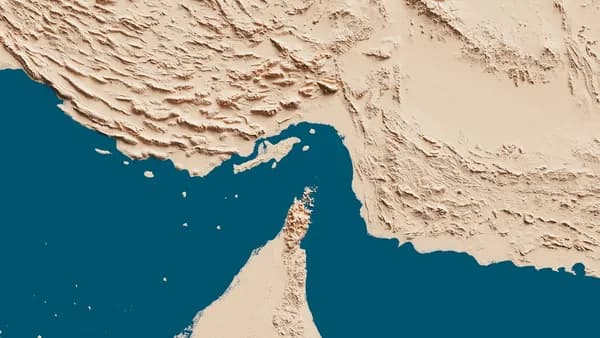
Iran has just delivered a challenge to global shipping: any vessel seeking to exit the Persian Gulf must now secure its approval, a move that could tangle the busiest trade corridor in the world. Tehran’s new maritime directive isn’t just bureaucratic muscle-flexing — it’s a calculated escalation amid a region already straining from proxy conflicts, sanctions, and tit-for-tat attacks on commercial ships. This mandate lands as Iran faces mounting pressure over its regional influence and nuclear ambitions, and it’s no coincidence the policy coincides with a surge in Israeli and US naval presence, as well as ongoing Houthi attacks on Red Sea shipping.
Iran’s intent runs deeper than mere assertion of sovereignty. By requiring approval for outbound ships, Tehran signals its capacity to disrupt, delay, or even block traffic from its rivals — especially Saudi Arabia, the UAE, and Western-aligned vessels. The policy also acts as a bargaining chip: Iran can use maritime chokeholds to negotiate sanctions relief or to retaliate for attacks on its assets, as seen in previous cycles of escalation. In short, Iran is reminding the world that it controls a lever capable of throttling global oil flow and supply chains, as CryptoBriefing reported.
This move can’t be dismissed as sabre-rattling. Tehran’s approval requirement introduces operational uncertainty for shippers and injects risk into insurance calculations. It also puts every vessel’s fate in the hands of Iranian authorities, a stark reversal from decades of international maritime practice in the Gulf. The timing — following months of attacks on tankers and heightened Western naval deployments — signals that Iran is ready to test how far it can push its control without triggering open conflict.
Quantifying the Impact: Shipping Traffic and Trade Volume Through the Persian Gulf
The Persian Gulf isn’t just a regional waterway; it’s the heartbeat of global energy. Every day, roughly 21 million barrels of oil — about 21% of the world’s oil consumption — pass through the Strait of Hormuz, according to the US Energy Information Administration. Liquefied natural gas shipments are also critical: Qatar alone exports over 75 million tonnes annually, with nearly all flowing through the Gulf. Beyond energy, the corridor handles container traffic worth hundreds of billions in annual trade, with ports like Dubai’s Jebel Ali ranking among the top ten globally.
A single disruption in the Strait reverberates worldwide. When Iran threatened to close the Strait in 2011, crude prices spiked by nearly 20% in weeks. During the 2019 tanker sabotage incidents, insurance premiums for Gulf-bound ships surged 10-fold, forcing operators to reroute via longer, costlier paths. The Gulf’s narrow geography — just 21 miles wide at its tightest — means even minor delays can create cascading shortages.
Iran’s approval demand is more than a bureaucratic hurdle. It introduces a variable cost: delays can mean millions lost per day for large tankers, and rerouting adds both time and fuel expenses. For context, a VLCC (Very Large Crude Carrier) typically earns $30,000–$50,000 per day in charter rates. Even a one-day holdup multiplies losses across fleets. If Iran enforces this strictly, expect global supply chains to fracture, with ripple effects from Rotterdam to Shanghai.
Diverse Stakeholder Reactions to Iran’s Maritime Restrictions
The Gulf Cooperation Council states, led by Saudi Arabia and the UAE, have already condemned Iran’s move, calling it a direct threat to commercial freedom and regional stability. Riyadh, whose economy depends on oil exports, has ramped up naval patrols and called for international guarantees of shipping safety. The UAE, with its massive re-export industry, faces the prospect of cargo bottlenecks that could dent its logistics sector — already hit by Red Sea disruptions.
The United States has responded with warnings and increased naval deployments, echoing the 1980s policy of “freedom of navigation operations.” Washington’s Fifth Fleet in Bahrain is now tasked with escorting flagged commercial vessels, but faces the dilemma of escalation versus deterrence. China, a major importer of Gulf oil, has been more muted, urging “restraint” but quietly accelerating its own naval presence in the region. The EU, meanwhile, is caught between supporting US-led maritime security and maintaining trade ties with both Gulf states and Iran.
For the shipping industry, the directive is a logistical nightmare. Operators face new layers of paperwork, unpredictable delays, and the threat of arbitrary detentions. Insurance firms are recalculating risk premiums: Lloyd’s of London hiked war-risk rates by as much as 50% after the announcement, according to industry sources. With nearly 30% of world tanker traffic passing through the Gulf, shippers must now build in contingency plans — and price volatility is the new normal.
Historical Patterns of Maritime Control and Conflict in the Persian Gulf
Iran’s current gambit echoes the “Tanker War” of the 1980s, when both Iran and Iraq targeted commercial vessels in a bid to cripple each other’s economies. That decade saw over 400 ships attacked, prompting the US Navy to re-flag Kuwaiti tankers and escort convoys — a move that ultimately deterred further escalation but left scars on global shipping insurance and naval doctrine.
During sanctions periods (2010–2015, 2018–2022), Iran used maritime restrictions as leverage, occasionally seizing vessels or threatening closure of Hormuz in response to Western pressure. Each episode forced the international community to balance deterrence with negotiation, often leading to temporary spikes in oil prices and insurance costs. The 2019 incidents, where two tankers were sabotaged, showed how quickly tensions can spill into global headlines — Brent crude jumped 4% in a single day.
International naval strategies have evolved: US-led coalitions, European Maritime Awareness in the Strait of Hormuz (EMASOH), and even Chinese anti-piracy missions now patrol the region. But none have fully neutralized Iran’s asymmetric capabilities — speedboats, mines, and drone swarms remain potent tools. History suggests every time Iran tightens control, it tests the resolve of global powers, and usually ends with temporary de-escalation but lasting operational headaches for shippers.
Implications for Global Trade and Energy Markets from Iran’s Shipping Approval Policy
If Iran enforces its approval policy for an extended period, energy markets will feel the squeeze. Oil futures have already started pricing in risk premiums: Brent crude climbed 2.8% in the days following the announcement, with analysts forecasting a $5–$10/barrel upside if delays or detentions materialize. LNG supplies could also falter; Asian buyers — China, Japan, South Korea — are particularly vulnerable, as 70% of their imports transit the Gulf.
Shipping lanes may shift. Operators could opt for longer routes via the Cape of Good Hope, adding 10–14 days and increasing costs by 30%. Insurance and security expenses will balloon: post-2019, war-risk premiums for Gulf-bound tankers hit $185,000 for a single transit. If Iran detains vessels, expect insurers to refuse coverage altogether, pushing smaller operators out of the region.
Diplomatically, this policy could fracture already strained relations. US-EU coordination may tighten, potentially leading to new sanctions or naval coalitions. China and India, both dependent on Gulf energy, could push for de-escalation but risk being caught in the crossfire. Trade agreements could be renegotiated, with force majeure clauses invoked more frequently. In short, expect volatility to become a permanent fixture on the Gulf’s trading screens.
Predicting Future Developments in Persian Gulf Maritime Security and Trade Dynamics
Iran’s approval demand is unlikely to be a short-lived bluff. If Tehran sees tangible leverage — sanctions relief, diplomatic concessions, or increased regional influence — it will keep tightening its grip. The risk of escalation is real: a single detention or denial of passage could provoke US-led military responses or trigger retaliatory strikes from Gulf states. The scenario most likely to unfold is a cycle of confrontations punctuated by diplomatic negotiations, much as seen during past flashpoints.
International naval interventions are almost certain if Iran targets Western-flagged vessels. The US, already deploying more ships, could expand convoy operations; the EU and UK may revive anti-piracy coalitions. Sanctions could be broadened, targeting Iranian ports or shipping firms. Yet, history shows Tehran has mastered the art of brinkmanship — it pushes until costs outweigh benefits, then retreats just enough to avoid outright war.
Long-term, expect a trend toward regional naval build-ups and insurance-driven shipping behavior. Gulf states may invest in more robust maritime surveillance and drone defenses. Shippers will diversify routes where possible, but the Gulf’s strategic importance makes avoidance impossible. If Iran’s policy persists, it could force a rethink of global energy security, with buyers and sellers alike prioritizing resilience over efficiency.
The most plausible outcome: persistent volatility, periodic confrontations, and a hardening of maritime risk premiums. Iran won’t relinquish its chokehold easily — and the world must adapt or pay the price.
Impact Analysis
- Iran’s new approval requirement threatens to disrupt global oil and goods shipments through the Persian Gulf.
- The policy increases uncertainty and risk for international shipping companies and insurers.
- It intensifies geopolitical tensions, raising the stakes for regional security and global trade stability.