The Strait of Hormuz Blockade Threatens Global Stability and Energy Security
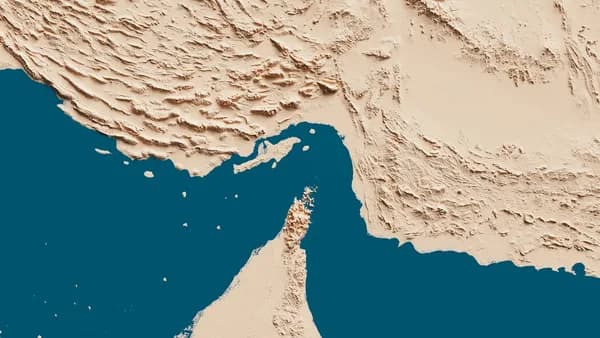
Twenty thousand sailors trapped at sea—collateral in a contest of wills between Washington and Tehran. The US-Iran blockade in the Strait of Hormuz is not just a regional flare-up; it’s a direct strike at the heart of global energy security. Roughly a fifth of the world’s oil passes through this narrow waterway, a fact that makes every missile test and naval maneuver here a matter of worldwide consequence. When a blockade brings shipping to a standstill, it’s not just tankers that freeze in place—the arteries of the global economy seize up, too.
The human toll is immediate and unambiguous. Crews face dwindling supplies, mounting anxiety, and the real threat of violence, with 20,000 sailors now caught in limbo or forced into dangerous detours, according to CryptoBriefing. This is no abstract chess game; it's a standoff with flesh-and-blood costs, a stark reminder that geopolitics rarely stays confined to diplomats’ desks. This blockade is the most dangerous escalation in years—and unless pressure is released soon, the fallout won’t respect borders.
How the Blockade Disrupts Global Oil Supply Chains and Raises Energy Prices
Ninety miles of water, twenty miles wide: that’s all that separates stability from chaos in the Strait of Hormuz. On an average day, 17 million barrels of crude oil—about 20% of global consumption—flows through this maritime bottleneck. When shipping halts, so does the world’s energy supply chain. In the immediate aftermath of the blockade, Brent crude futures surged above $98 per barrel, a jump of nearly 12% in less than a week. Insurance rates for tankers skyrocketed, with war risk premiums multiplying overnight.
The ripple effects hit every corner of the globe. Asia’s largest economies—China, Japan, South Korea, India—depend on oil from the Gulf. Every dollar increase in the price of oil drains billions from importing nations, widening trade deficits and stoking inflation. European economies, already battling cost-of-living crises, face renewed energy insecurity just as natural gas markets are still reeling from Russia’s war in Ukraine.
Prolonged disruption risks pushing inflation higher, forcing central banks to choose between combating rising prices and supporting fragile recoveries. US gasoline prices have already edged up by 30 cents per gallon. Airlines and shipping companies are raising fuel surcharges. For developing nations, a protracted spike in energy costs could tip millions back into poverty. The global economy has spent two years trying to escape supply chain hell—this blockade threatens to drag it back in.
Maritime Security Vulnerabilities Exposed by the US-Iran Standoff
The blockade is a stress test—and the international maritime security framework is failing. Years of underinvestment and diplomatic drift have left critical sea lanes exposed. The US Navy’s Fifth Fleet is stretched thin, relying on ad hoc coalitions and commercial partnerships to police a region where asymmetric threats—from drones to mines—can paralyze traffic in hours.
Commercial shipping firms are left to improvise. Some have rerouted vessels around Africa’s Cape of Good Hope, adding weeks and millions in extra costs per trip. Others are risking passage with skeleton crews and “citadel” panic rooms, a throwback to the piracy crisis off Somalia a decade ago. The risk calculus for insurers and shipowners is shifting fast: one more attack, and rates could triple again.
This standoff exposes the brittle reality behind the illusion of open seas. The world’s dependence on a handful of chokepoints—Hormuz, Suez, Malacca—means that a single geopolitical miscalculation can trigger global economic pain. The only lasting fix requires multinational cooperation, not just military muscle. Joint patrols, data-sharing, and real-time threat intelligence are overdue. The alternative is a world where trade moves at the mercy of the next blockade.
Considering the Counterargument: Iran’s Strategic Justifications and Regional Security Concerns
Tehran’s logic is both obvious and, in the context of regional power dynamics, predictable. Iran faces choking sanctions, exclusion from global finance, and the constant presence of US naval power just off its coast. Seen from Tehran, the blockade is less provocation than pushback—a bid to assert sovereignty and force Washington to the negotiating table. Iranian officials argue that if they cannot sell oil, no one else should, either.
There is a case to be made that Iran’s posture is reactive: a response to economic warfare, not its initiator. The blockade is a tool of deterrence, meant to remind the world that Iran can still upend global markets if squeezed too hard. But even if one grants Iran’s strategic rationale, the cost is indefensible. Maritime blockades are blunt instruments. They punish the innocent—sailors, traders, and nations far beyond the Gulf—while rarely yielding lasting diplomatic wins.
History is not on the side of those who weaponize commercial chokepoints. The British blockade of Germany in World War I starved millions but embittered a generation. The Cuban Missile Crisis brought the world to the brink precisely because of naval brinkmanship. In the age of global supply chains, the humanitarian consequences are even starker. Iran’s gambit may win a seat at the table, but it risks burning the table down in the process.
Urgent Call for Diplomatic Solutions to Restore Maritime Freedom and Protect Global Interests
The world cannot afford to gamble its economic future on the outcome of a naval staring contest. Washington, Tehran, and all stakeholders must return to direct talks—immediately. Sailors’ lives and the stability of global trade demand urgent action, not rhetorical escalation.
The current crisis is a wake-up call: maritime security can no longer be taken for granted. The international community needs new frameworks—real teeth, not just paper promises—to prevent future blockades and ensure that the world’s shipping lanes stay open. The price of inaction has already stranded 20,000 sailors and sent oil markets into turmoil. Next time, it could be worse. Diplomacy and cooperation are not luxuries—they are the only way forward.
Impact Analysis
- The blockade threatens global energy security by halting the transit of 20% of the world's oil supply.
- 20,000 sailors are stranded at sea, facing immediate risks to their safety and wellbeing.
- Surging oil prices and insurance costs will ripple through global economies, affecting consumers and industries alike.