US Naval Escorts in the Strait of Hormuz: A Calculated Gamble With Global Consequences
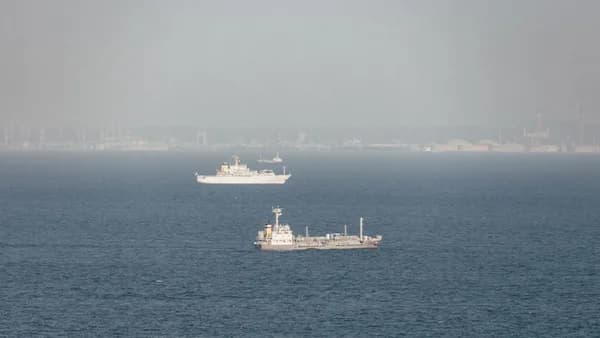
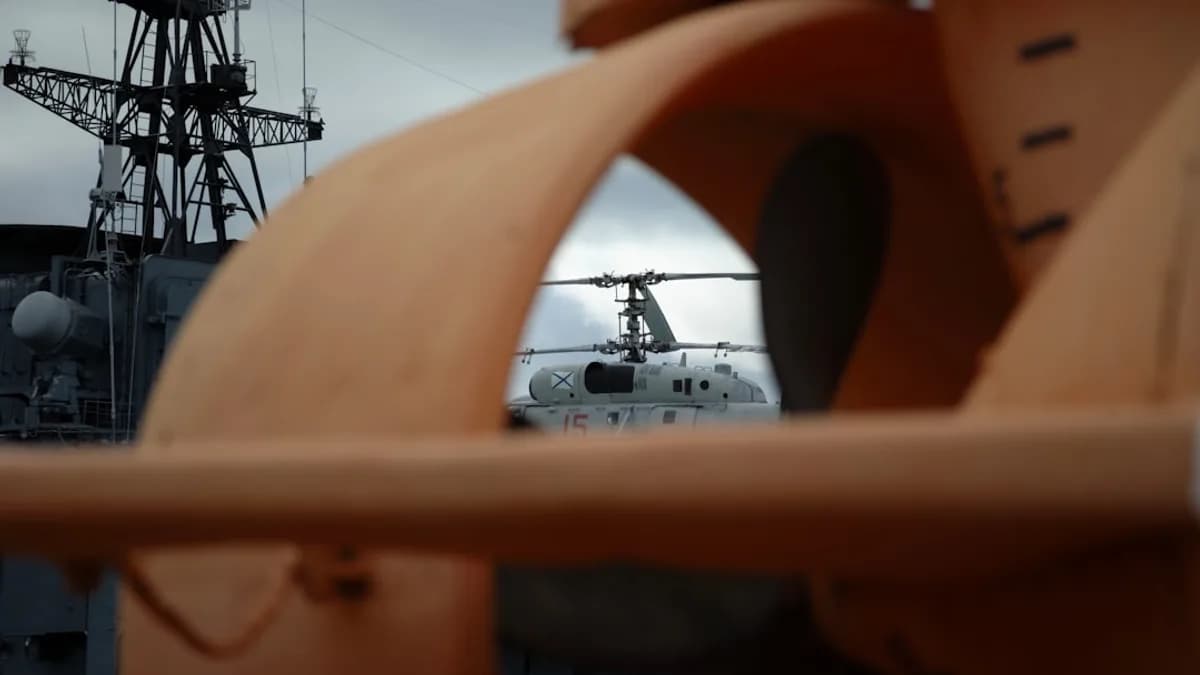
Trump’s decision to deploy US Navy escorts for commercial ships in the Strait of Hormuz isn’t just a tactical move—it’s a signal that Washington is willing to redraw the lines of engagement in a region where one miscalculation can send oil prices surging overnight. The Strait is the world’s most critical energy chokepoint, but the timing and manner of the announcement—amid rising threats and ships stranded by recent disruptions—suggest Washington is shifting from deterrence to active intervention. This isn’t a return to status quo; it’s the start of a new, riskier chapter in Gulf security, where every convoy could become a flashpoint.
According to Al Jazeera, the US move follows a string of incidents where commercial vessels—many flagged to Western nations—have been seized or harassed by Iranian patrols. The White House claims this operation is about protecting global commerce, but the underlying calculus is clear: the US is betting that overt military presence will deter Iran and reassure jittery markets. The gamble? That the escorts don’t become targets themselves.
Quantifying the Stakes: Oil, Cargo, and the Cost of Disruption
Every day, nearly 21 million barrels of crude—about 21% of global oil consumption—flow through the Strait of Hormuz. That’s more than the total daily output of the US, Russia, and Saudi Arabia combined. The waterway also sees roughly 2,000 ship transits each month, carrying everything from LNG to electronics. One blocked tanker can trigger a cascade: Brent crude surged 8% in a single day after the 2019 attacks on Saudi oil facilities, and insurance premiums for ships in the Strait have jumped by up to 400% during periods of tension.
In the past twelve months, at least seven vessels have been seized or disabled in the Strait, according to Lloyd’s List Intelligence. The most recent incident saw a Liberian-flagged tanker detained for 48 hours, halting $40 million worth of oil. Shipowners have responded by rerouting cargo through longer, costlier paths—adding an estimated $500,000 per voyage and delaying deliveries by days. For major Asian importers like Japan, South Korea, and India, even a minor disruption can mean lost GDP growth and energy rationing.
The stakes aren’t just about oil. The Strait is a narrow corridor—at points, only 21 miles wide—where a single mine or missile can block hundreds of miles of maritime traffic. Global supply chains, already strained by geopolitical shocks, face another bottleneck if military tensions escalate.
Stakeholder Perspectives: Strategic Calculus, Regional Reactions, and Market Fears
The US government frames the naval escort mission as a defensive measure, but officials privately concede it’s also a show of force designed to test Iran’s resolve. The Pentagon has signaled that any attack on escorted ships will trigger a swift military response. Trump’s advisors argue this posture is necessary to prevent “gray zone” harassment and restore freedom of navigation—a principle enshrined in international maritime law but often challenged in the Gulf.
Iran, unsurprisingly, views the operation as provocation. The Revolutionary Guard has threatened to “resist foreign military presence,” warning that convoys will be monitored and, if deemed hostile, interdicted. Tehran claims the US is inflaming tensions for domestic political gain and has called for regional states to reject outside intervention.
Gulf monarchies—Saudi Arabia, UAE, Bahrain—welcome the move, seeing US escorts as a crucial buffer against Iranian aggression. But European allies are more cautious: France and the UK have urged restraint, fearing escalation could drag NATO into a wider conflict.
International shipping firms face a dilemma. Maersk and Mitsui OSK Lines support the escorts, citing a 30% jump in security costs since the latest incidents. Insurers and risk managers warn that the presence of warships increases the chance of misidentification or accidental clash, while also raising premiums. For commodity traders and global retailers, the mission is a double-edged sword: it offers protection, but also signals that the Strait is now a live-fire zone.
Military History in the Strait of Hormuz: Lessons and Warnings
This isn’t the first time the US has protected ships in the Strait. Operation Earnest Will (1987-1988) saw US Navy vessels escort Kuwaiti oil tankers during the Iran-Iraq War. The outcome: several ships hit by mines, one US frigate badly damaged, and the downing of Iran Air Flight 655—a tragedy that killed 290 civilians and soured US-Iran relations for decades.
Subsequent incidents, like the 2019 “Coalition Task Force Sentinel,” brought multinational patrols but failed to stop sporadic attacks. The pattern is clear: military escorts deter some threats, but also introduce new risks—miscalculations, accidental engagements, or escalation by proxy groups.
Historically, every time the US has increased its presence, Iran has responded with asymmetric tactics—mines, drones, cyberattacks—rather than direct confrontation. The lesson? Escalation cycles are hard to control, and the Strait’s geography gives Iran persistent leverage. Past operations have kept oil moving, but rarely restored lasting stability.
Global Energy Security and Shipping Implications: Oil, Law, and the Risk of Escalation
The immediate impact of US escorts will be psychological: oil futures will react to perceived security, not just actual risk. Expect volatility—$5-10 swings in Brent prices—whenever an incident occurs or an escorted convoy is challenged. For shippers, the cost of war risk insurance will remain elevated: premiums could jump by 200% if shots are fired, according to industry estimates.
Long-term, the mission could redefine maritime law in contested waters. The US is asserting its interpretation of “freedom of navigation,” but Iran—and China, watching closely—see this as a precedent for foreign military intervention in their own spheres. Legal scholars warn that if the US sets a new norm, it could face pushback in the South China Sea and elsewhere.
Supply chain reliability hangs in the balance. If the Strait becomes a constant flashpoint, global logistics firms will shift routes, invest in stockpiling, and pass costs to consumers. The risk isn’t just higher prices—it’s the possibility of sudden embargoes, like those seen in the 1970s, which could cripple economies dependent on Gulf oil.
The specter of military escalation looms. The presence of US warships increases the chance of direct confrontation, either by accident or design. If Iran deploys drones or missiles, or if proxy groups act, the cycle of retaliation could spiral beyond the Strait—impacting regional ports, pipelines, and even offshore platforms.
What Comes Next: Scenarios for Power, Policy, and Conflict in the Gulf
Iran’s response is the wild card. Past behavior suggests Tehran will avoid direct clashes but intensify indirect tactics: cyberattacks on shipping infrastructure, drone strikes on tankers, or harassment by fast boats. If the US escorts succeed in deterring these moves, regional power may tilt further toward the Gulf monarchies and their Western allies. But if Iran escalates, expect the US to reinforce its naval presence—potentially deploying carrier groups or expanding to adjacent waterways.
US foreign policy will harden. A sustained escort mission could justify new sanctions, closer military cooperation with Saudi Arabia and Israel, and, perhaps, a return to “maximum pressure.” If the operation proves costly or unpopular, domestic critics may push for retrenchment—or, conversely, for more aggressive action.
Scenarios for de-escalation are slim but not impossible. Backchannel diplomacy—through Oman or Qatar—could broker temporary agreements, like notification protocols or joint patrols. History shows that even limited success can calm markets: after Operation Earnest Will, oil prices stabilized once shipping resumed—even if threats persisted.
The most likely outcome? A period of tense stability, punctuated by sporadic incidents. The US escorts will keep oil flowing, but at higher cost and risk. Global markets will price in the uncertainty, and rival powers will watch for opportunities to test American resolve. For investors, traders, and policymakers, the message is clear: the Strait of Hormuz is no longer just a passage—it’s a chessboard where every move carries global consequences.
Impact Analysis
- The US naval escorts raise the risk of direct confrontation in a region critical to global energy supplies.
- Disruptions in the Strait of Hormuz can quickly spike oil prices and shipping costs worldwide.
- The US move signals a shift toward more active intervention, potentially reshaping Gulf security dynamics.