Introduction: Understanding the Impact of Renewed US-Iran Tensions on Global Oil Markets
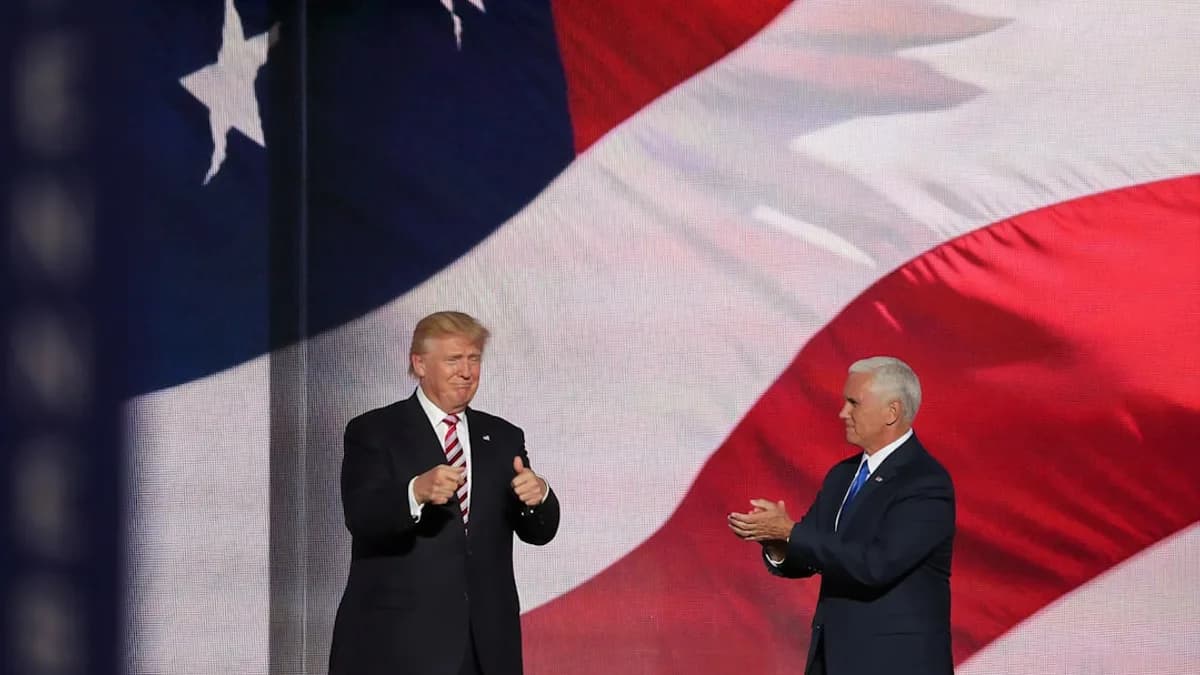
Oil prices often jump when world leaders talk about war in the Middle East. This week, former President Donald Trump said he expects the US to resume bombing Iran if he wins the election [Source: Google News]. His comments come as US-Iran peace talks stall, and just days after US forces seized an Iranian ship. Oil traders are nervous. The Strait of Hormuz, a narrow waterway near Iran, is key for moving oil around the world. If fighting breaks out there, oil prices could surge, affecting everything from gas at the pump to shipping costs. This article breaks down what these US-Iran tensions mean for oil markets, and how investors, businesses, and families might feel the impact.
Geopolitical Background: The Strait of Hormuz and Its Role in Global Oil Trade
The Strait of Hormuz is only about 21 miles wide at its narrowest point, but it handles more than 20% of the world's oil shipments every day [Source: Google News]. That makes it one of the most important chokepoints for energy on the planet. Oil from countries like Saudi Arabia, Iraq, Iran, and the United Arab Emirates must pass through this strait to reach buyers in Asia, Europe, and North America.
US-Iran tensions have flared up in this region many times over the years. In 2019, Iranian forces shot down a US drone and seized oil tankers, sending oil prices higher. The US has often responded with sanctions, military moves, or threats. Just this month, US forces seized an Iranian ship, raising fears that Iran might block or attack oil traffic in the Strait (US forces board a sanctioned oil tanker in the Indian Ocean, the Pentagon says).
At the same time, Iran and the US have sometimes agreed to ceasefires or held peace talks. These moments of calm can help keep oil flowing and prices steady. But peace never seems to last long. Each new threat or military action brings worries that oil shipments could be stopped or slowed. If that happens, prices can spike in hours.
The world depends on the Strait of Hormuz staying open. Even a short disruption could hurt energy supplies and push up costs. That’s why traders and governments watch this region so closely.
Analyzing Potential Scenarios for US-Iran Conflict and Their Impact on Oil Prices
Citi, a major bank, laid out three possible paths for the Strait of Hormuz and oil prices [Source: Google News]:
Scenario 1: Escalation and Supply Disruption
If fighting breaks out and Iran tries to block the Strait, oil shipments stop or slow down. In this case, oil prices could jump sharply. Citi says prices might surge above $120 per barrel, even hitting $150 if the fighting lasts [Source: Google News]. In past crises, like the Gulf War in 1990 or the 2011 Libyan conflict, oil shot up by 30% or more in days. Higher oil prices mean higher gas and shipping costs, and could drive up inflation worldwide.
Scenario 2: Diplomatic Stalemate
If talks between the US and Iran stall but there’s no fighting, prices may bounce up and down. Citi expects oil to stay in the $90-$110 range. Traders would be nervous, buying oil just in case things get worse. This is what happened in 2019, when tensions ran high but no fighting broke out. Businesses might pay more for energy but can still plan ahead.
Scenario 3: De-escalation and Peace Talks
If the US and Iran agree to peace talks or extend a ceasefire, oil markets could calm down. Citi says prices might drop back to $80-$90 per barrel. This happened in 2015, when Iran signed a nuclear deal and oil prices fell. More supply means lower prices and less pressure on families and businesses. Recent developments where Trump extends ceasefire in Iran, citing 'seriously fractured' Iranian government demonstrate how political shifts can ease tensions temporarily.
Each scenario shows how quickly oil prices can change. A single attack or peace deal can move markets in minutes. That’s why traders use news alerts, satellite data, and ship trackers to watch the Strait of Hormuz so closely.
Current Oil Market Reactions to US-Iran Developments
Oil prices have been swinging wildly in recent days. Brent crude futures, the global oil benchmark, jumped above $100 after the US seized an Iranian ship [Source: Google News]. But prices slipped back when Iran agreed to extend a ceasefire. Markets are jittery because talks between the US and Iran keep falling apart.
Traders watch every headline, waiting for signs of conflict or calm. When the US took the Iranian ship, oil and gas stocks surged as investors expected supply problems. But as soon as peace talks looked possible, prices dropped (Oil prices turn lower as investors assess outlook for US-Iran peace talks).
This back-and-forth shows how sensitive markets are. Even small events can send prices up or down. For people who buy and sell oil, timing is everything. They need to react fast, knowing that the next tweet or news report could change the story.
Broader Economic and Energy Sector Implications of Renewed US-Iran Hostilities
If fighting breaks out and oil gets blocked in the Strait of Hormuz, the world could see energy shortages, higher prices, and supply chain headaches. Factories might pay more for fuel, shipping costs could soar, and airlines might raise ticket prices. Inflation, which is already a problem in many countries, could get worse.
Families would feel the pinch at the gas pump and when buying goods shipped from overseas. The last time oil hit $150 per barrel in 2008, global economies slowed down and job losses followed.
Oil and gas companies must plan for these risks. Some firms buy extra oil now, hoping to sell it later for a profit. Others invest in safer regions or build up reserves. Big oil companies like ExxonMobil and Shell often move staff and ships out of risky areas, or look for new suppliers away from the Middle East.
Governments try to help by releasing oil from reserves or making deals with other countries. The US Strategic Petroleum Reserve, for example, can add millions of barrels to the market if needed. But these fixes are short-term. If the Strait stays blocked, there aren’t many good options.
More companies are looking at renewable energy—like wind, solar, and biofuels—to avoid these risks. While renewables aren’t ready to replace oil overnight, they can help reduce dependence on places like the Strait of Hormuz.
Conclusion: Navigating Uncertainty in Oil Markets Amid US-Iran Tensions
The link between US-Iran conflict and oil prices is strong and immediate. When leaders talk about bombing or blocking the Strait of Hormuz, markets react fast—and everyone feels the impact. Watching headlines and diplomatic moves is key for anyone who buys, sells, or uses oil.
For families and businesses, planning ahead is smart. Diversifying energy sources, tracking market news, and preparing for price swings can help soften the blows of sudden shocks. The world is slowly moving toward more renewable energy, but for now, oil from the Middle East—and the Strait of Hormuz—still rules the market. How the US and Iran handle their next moves could shape energy prices for months or years to come. For the latest on market reactions, see Dow Jones Futures Rise As Trump Extends Iran Ceasefire; Tesla Earnings Due.
⚠️ Disclaimer: This article is for informational purposes only and does not constitute financial advice. Always do your own research before making investment decisions.
Why It Matters
- Rising US-Iran tensions could disrupt oil shipments and drive up global energy prices.
- Consumers may face higher costs for gas, shipping, and everyday goods if oil prices surge.
- Instability in the Strait of Hormuz threatens economic growth and global market stability.