Introduction: Unpacking the Controversial $500 Million Spirit Airlines Bailout
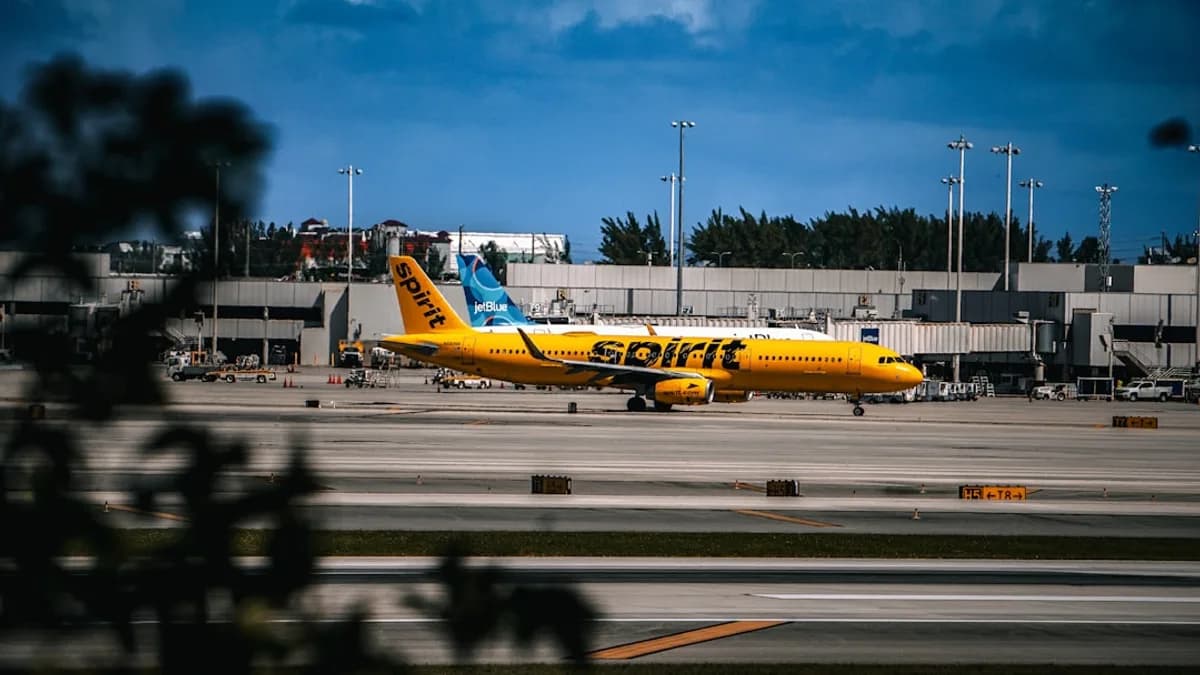
The Trump administration is close to giving Spirit Airlines a $500 million bailout, and many experts say it looks illegal and puts taxpayers in a risky spot [Source: Google News]. This deal is raising alarms because Spirit Airlines is not one of the big legacy carriers, and the way the bailout is structured seems rushed and secretive. People are asking tough questions: Does Spirit really need help? Is the government following its own rules? Will taxpayers ever get their money back? The answers aren’t clear, and that’s the problem.
This bailout is not just about saving one airline. It’s about how the government uses public money to rescue private companies. There are serious concerns about legality, fairness, and who gets stuck with the bill if the plan fails. Let’s break down why this bailout is causing so much trouble—and what it could mean for the future of airline rescues.
Examining the Legality Concerns of the Spirit Airlines Bailout
Many critics say the Spirit Airlines bailout might break the law. The government has rules about who can get help and how rescue deals must be handled. Some experts point to the CARES Act, which was meant to help airlines during the COVID-19 crisis. But Spirit Airlines wasn’t as hard hit as bigger carriers like Delta or United. So, some people wonder if Spirit even qualifies for this kind of help.
The process behind the bailout is also unclear. Normally, government bailouts go through public review. Lawmakers and watchdog groups get to ask questions and check the math. This deal seems to be happening behind closed doors. That makes it hard to know if the government is following its own rules or just bending them for Spirit.
Transparency is a big issue. When the government gives out huge sums, people expect clear answers about how the money will be used. In Spirit’s case, details about the rescue package are still hidden. We don’t know what Spirit promised to do in return, or if there are rules to stop the company from wasting taxpayer money. This lack of openness leads to mistrust. It also makes it easier for mistakes—or even illegal moves—to go unnoticed.
The situation reminds some experts of the 2008 bank bailouts. Back then, rushed deals led to lawsuits and years of debate. If the Spirit bailout goes through without proper checks, it could set off court battles and spark new questions about how the government should help private companies. For now, the deal’s legality is up in the air. That’s a red flag for anyone who cares about fair rules and honest government.
Financial Risks: How Taxpayers Are Left Vulnerable by the Bailout
The Spirit Airlines bailout puts taxpayers right in the line of fire. If Spirit can’t pay back the money, the government—and by extension, the public—will be left holding the bag. There’s no sign yet of strong safeguards, like repayment plans or penalties if Spirit misuses the funds.
History shows that bailouts often go wrong. In 2001, after 9/11, airlines got $15 billion from the government. Some paid back the loans, but others went bankrupt, and taxpayers never saw their money again. In 2008, the auto industry got billions in bailouts. Some companies recovered, but the rescue deals didn’t always have good oversight. Taxpayers lost billions when companies failed or didn’t follow the rules.
This Spirit deal looks risky because there’s little information about how the money will be protected. Will Spirit use the money to pay workers, or just to cover debts? Are there rules to stop Spirit from handing bonuses to executives while the company is still weak? So far, no one knows.
Another big concern is the lack of accountability. If Spirit gets the bailout and doesn’t recover, there’s no clear plan to get the money back. That leaves taxpayers exposed. It’s like lending money to a friend with no promise they’ll pay you back, and no way to check what they did with it. Anyone paying taxes should worry about this.
If the government keeps handing out bailouts without strong rules, it teaches companies that risky behavior is OK, because Uncle Sam will save them. That’s not fair, and it’s not smart for public money.
The Broader Implications of Government Bailouts on Market Dynamics
Government bailouts change how the airline industry works. When the government steps in to save one company, it can hurt others who don’t get help. For example, if Spirit gets $500 million, it may offer cheap fares and grow faster. That puts pressure on rivals like JetBlue or Alaska Airlines, who may not get bailouts.
This can lead to unfair competition. Companies that are careful with money and don’t take big risks may be punished, while those who gamble get rewarded when the government steps in. Over time, this can make the market less healthy. Airlines may start taking bigger risks, hoping for future bailouts.
Private investors feel the impact, too. Citadel, a big financial firm, has a large stake in Spirit Airlines [Source: Google News]. Bailouts can change the value of their investments overnight. If Spirit gets rescued, Citadel may see its shares go up. But this can also mean that taxpayers are basically helping private investors make money, without any benefit to the public.
Long-term, bailouts can weaken the idea that companies should be responsible for their own mistakes. If too many bailouts happen, airlines may stop worrying about running safe, stable businesses. Instead, they may chase profits and hope the government will rescue them if they fail.
The Spirit bailout could set a pattern. Other airlines, or even companies in different industries, may ask for rescue funds the next time they’re in trouble. The government may feel pressured to say yes, even if it’s not the right move. This cycle can lead to higher costs for taxpayers and less fairness in the market.
Opinion: Why This Bailout Sets a Dangerous Precedent for Future Corporate Rescues
This bailout is a bad sign for how the government handles corporate rescues. Giving Spirit Airlines $500 million sends a message: if you take big risks and get into trouble, you can count on a government handout.
That goes against the idea of a free market, where companies win or lose based on their own choices. The bailout encourages risky behavior. Spirit can gamble with its business, knowing that taxpayers will cover losses if things go south. This isn’t fair to companies that work hard to stay safe and stable.
The Trump administration’s decision shows strange priorities. There are many ways to use $500 million—helping schools, fixing roads, or fighting poverty. Choosing to give it to one airline, while skipping public review, is troubling. It looks like the government is putting private business ahead of public interest.
What’s worse, the deal doesn’t seem to have strong rules. There’s no clear plan for getting the money back. There’s no way to make sure Spirit won’t use the funds for things like executive bonuses or risky new projects. That’s not how public money should be treated.
If the government keeps handing out bailouts without tough standards, more companies will expect help. That means taxpayers could face bigger bills in the future, with no way to stop the cycle.
We need stronger rules for future bailouts. There should be clear transparency, tough repayment plans, and strict limits on how companies use the money. The government must protect public funds and make sure bailouts don’t reward bad behavior. Otherwise, the Spirit Airlines deal will become a blueprint for even riskier rescues.
Conclusion: The Need for Accountability and Caution in Government Bailouts
The Spirit Airlines bailout raises big questions about legality, taxpayer risk, and the health of the airline market. It shows how rushed deals can leave public money exposed and reward risky business plans. If the government keeps making bailouts without clear rules, taxpayers will pay the price and the free market will suffer.
We need more openness and tougher standards for bailouts. That way, public funds are safe and only companies that truly need help get it. Readers should keep a close eye on government rescue deals. Ask tough questions, demand transparency, and remember: a bailout isn’t free. Someone always pays, and it’s usually the public.
The Spirit deal is a warning. If we don’t learn from it, bigger bailouts—and bigger risks—may be waiting just around the corner.
⚠️ Disclaimer: This article is for informational purposes only and does not constitute financial advice. Always do your own research before making investment decisions.
Why It Matters
- Taxpayers may be liable if the bailout fails or proves illegal.
- Lack of transparency raises concerns about government accountability.
- This case could set a precedent for future bailouts and public money use.