US Forces Board Iranian Oil Tanker Touska in Indian Ocean
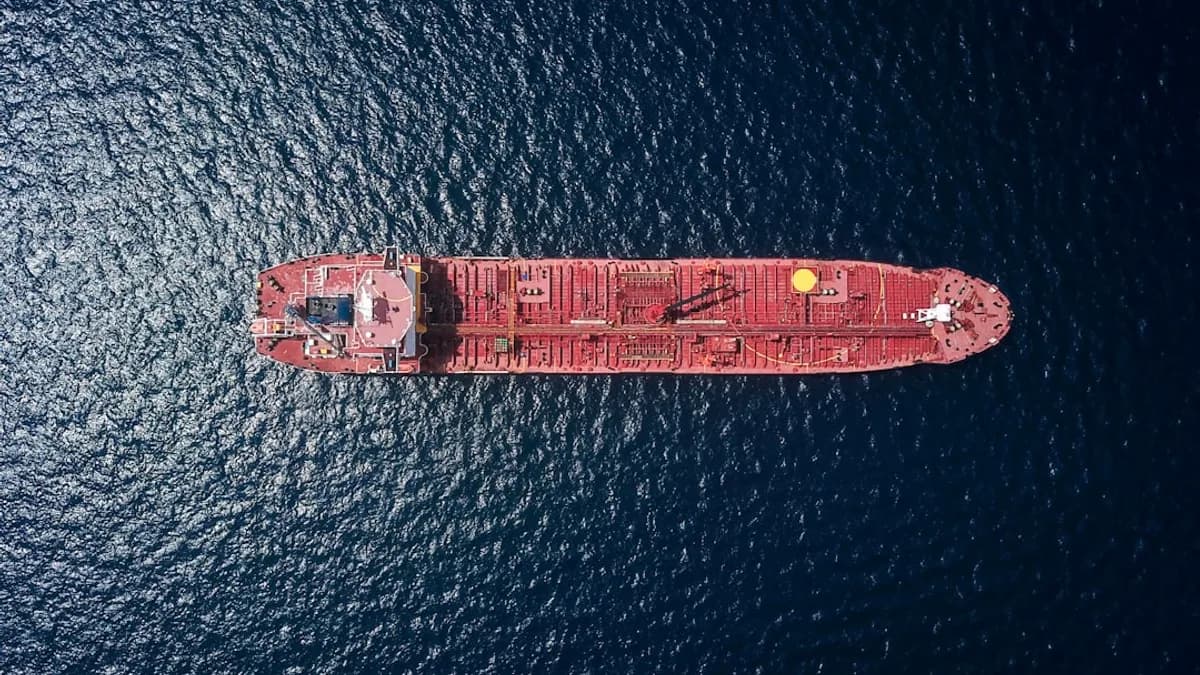
US forces boarded an Iranian-flagged oil tanker called Touska in the Indian Ocean last week. The Pentagon says this was the first time US troops intercepted a ship so far from Iran’s coast. The Touska was under US sanctions for carrying Iranian oil. The US government claims this action helps stop Iran from selling oil to raise money for its government and military [Source: Google News].
Officials say the operation was planned and carried out safely. The boarding took place in open waters, not near any country’s shoreline. The US wanted to show it can enforce sanctions even outside the Persian Gulf, where most past actions happened. The Pentagon stressed that the move was aimed at stopping illegal oil sales, not starting a fight with Iran.
US-Iran Oil Sanctions: A Long History
The US has pressured Iran with sanctions for decades. Most of these target Iran’s oil exports. Oil is Iran’s main source of money, so blocking oil sales is meant to weaken Iran’s government and limit its power.
After the 1979 Iranian Revolution, the US started imposing sanctions. In 2018, President Trump made them tougher by ending the nuclear deal and bringing back strict limits on Iranian oil. Since then, Iran’s oil exports dropped. In 2017, Iran sold about 2.5 million barrels of oil per day. By 2019, sales had fallen to below 500,000 barrels [Source: Bloomberg]. Iran has tried to get around these rules by using ships with fake documents or by transferring oil between tankers at sea.
US naval patrols often watch the Persian Gulf, especially the Strait of Hormuz. That narrow waterway is where much of the world’s oil passes through. The US sometimes stops ships suspected of carrying Iranian oil there. But Iran also uses routes through the Indian Ocean and other waters to move oil secretly.
These sanctions do not just impact Iran. They make global oil markets jumpy. When US-Iran tensions rise, oil prices often go up. Shipping companies worry about getting caught in the middle. Some countries, like China and India, still buy Iranian oil and ignore US warnings.
Inside the Boarding Operation and Its Importance
The US operation took place in the Indian Ocean, away from the usual hotspots near Iran. US troops intercepted the Touska, boarded the tanker, and checked its cargo. They were looking for Iranian oil, which is under US sanctions. The Pentagon says the Touska was not near Iran’s coast. This shows the US is willing to act far from its usual patrol areas [Source: Google News].
The Indian Ocean is huge and busy, with ships from many countries passing through. By boarding the Touska here, the US sent a clear signal: it will enforce sanctions wherever Iranian oil travels. This could make Iran’s oil smuggling harder and riskier.
The operation used military ships and helicopters. Troops boarded the tanker using ropes and ladders. The US says the crew was treated well and the situation stayed calm. The ship was not damaged, and there were no injuries.
This is a big shift in US strategy. Before, most actions happened in the Persian Gulf or near the Strait of Hormuz. By moving into the Indian Ocean, the US shows it can reach farther. This could force Iran to find new ways to sell oil or rethink its routes.
Legal and Diplomatic Impact of Seizing a Ship on the High Seas
International law says ships on the high seas have freedom to travel, but there are rules. If a ship is linked to illegal trade or sanctions, countries can try to stop it. The US claims it has the right to board ships carrying sanctioned goods, even outside its own waters.
This action might upset other countries. Iran calls US boardings “piracy” and says they break international law. Other nations, like China and Russia, may speak out against the US for acting so far from its own territory. Some countries worry that this could lead to more tension or even fights at sea.
The US says it is following its own laws and trying to enforce United Nations sanctions. But there is debate. Some legal experts say the US should get approval from other countries or international bodies before boarding ships on the high seas.
Diplomatically, this operation could make US-Iran talks harder. Iran already blames the US for hurting its economy. Now, Iran may try to get more support from allies or threaten to block shipping lanes. Other oil-exporting countries watch closely, worried about their own ships being stopped.
This fits with US foreign policy: keep pressure on Iran, enforce rules, and cut off money that could fund its military. The US wants to show it can act alone if needed, but risks making enemies.
What This Means for the Region and US-Iran Relations
Boarding the Touska in the Indian Ocean could make tensions between the US and Iran worse. Iran may feel boxed in and try to push back. It might threaten to block the Strait of Hormuz, as it has before. That could disrupt oil shipments for many countries.
But this operation also shows the US is serious about stopping Iran from dodging sanctions. If Iran’s oil routes are blocked, its government gets less money. This might pressure Iran to change its policies or come back to talks about its nuclear program.
For the region, more US actions at sea could make shipping riskier. Insurance prices for ships may rise. Some companies may avoid routes near Iran or the Indian Ocean. If oil shipments slow down, prices could go up, hurting economies around the world.
Other countries are watching. China and India buy Iranian oil and may get angry if their ships are stopped. Russia, which supports Iran, may protest US actions. This could lead to more arguments at the United Nations.
In the bigger picture, the US-Iran rivalry is about power in the Middle East. Both sides want to control sea routes and protect their interests. The US has a strong navy and wants to keep oil moving safely, but Iran uses secret routes and tries to bypass rules.
If the US keeps boarding ships, Iran may try new tactics. It could use smaller ships, change flags, or make deals with friendly countries. The US could reply with more patrols, tighter checks, or stronger sanctions.
This operation is a sign that US policy is getting tougher. But there is a risk: more actions at sea could lead to mistakes or clashes. Some experts worry about accidents or misunderstandings that could spark a bigger conflict.
The Bigger Picture: US Naval Actions Against Iranian Oil Smuggling
The US boarding of the Touska shows the challenge of enforcing sanctions against Iran. Oil smuggling is hard to stop, and Iran keeps finding ways to sell its oil. The US wants to show it can act anywhere, not just close to Iran.
But this comes with risks. Every boarding operation could lead to tension, protests, or even fights. Shipping companies and oil buyers worry about safety and rising costs.
Going forward, watch for more US patrols in the Indian Ocean and beyond. Iran may try to change its tactics or seek help from allies. The US may push for stronger international support or use new technology to track ships.
This story is not over. As the US and Iran keep testing each other, the world will be watching to see if the seas stay safe—and if oil keeps flowing.
Why It Matters
- US forces boarding the Touska demonstrates the reach of American sanctions enforcement beyond the Persian Gulf.
- Blocking Iranian oil sales is a key tactic in limiting funds to Iran's government and military.
- Such actions can cause uncertainty in global oil markets and potentially impact oil prices worldwide.