Introduction: Current Trends in Oil Prices Amid US-Iran Peace Talks
Oil prices dipped as investors weighed the chances of peace between the US and Iran. This tug-of-war has made global markets jittery. Brent crude, which is a main oil benchmark, jumped above $100 for a short while. Then it slipped back as news about the Iran ceasefire came out. Traders are watching these talks closely because any deal or setback can change prices fast. The back-and-forth shows how tense the market is right now. People who buy and sell oil are reacting to every headline about the talks. These moves are not just about politics—they affect how much energy costs for everyone, from factories to families. The reason? The US-Iran relationship has a big impact on the world’s oil supply and shipping routes. [Source: Google News]
Recent Movements in Oil and Gas Markets Following Iran Ceasefire Developments
After the US extended the Iran ceasefire, oil prices swung sharply. Brent crude futures, which are a common way to measure oil prices, spiked above $100 per barrel for a short time. This happened because traders feared the talks might break down and lead to new trouble in the Middle East. But as news spread that the ceasefire would last longer, prices fell back below $100. Some investors calmed down, betting things might stay quiet for now.
Gas prices also moved quickly. When the ceasefire first looked shaky, gas prices surged. Then, as talks continued, prices dropped. This whipsaw action shows how sensitive the market is to news from Iran. Even rumors or small updates can cause prices to bounce up and down.
The uncertainty is making it hard for traders to pick a direction. Many are waiting for clearer signs about how the US-Iran talks will go. If peace holds, prices could settle lower. If talks fail, prices might jump again as fears about supply grow. The market is on edge, and every new headline makes a difference. [Source: Google News]
Citi’s Three Scenarios for the Strait of Hormuz and Their Impact on Oil Prices
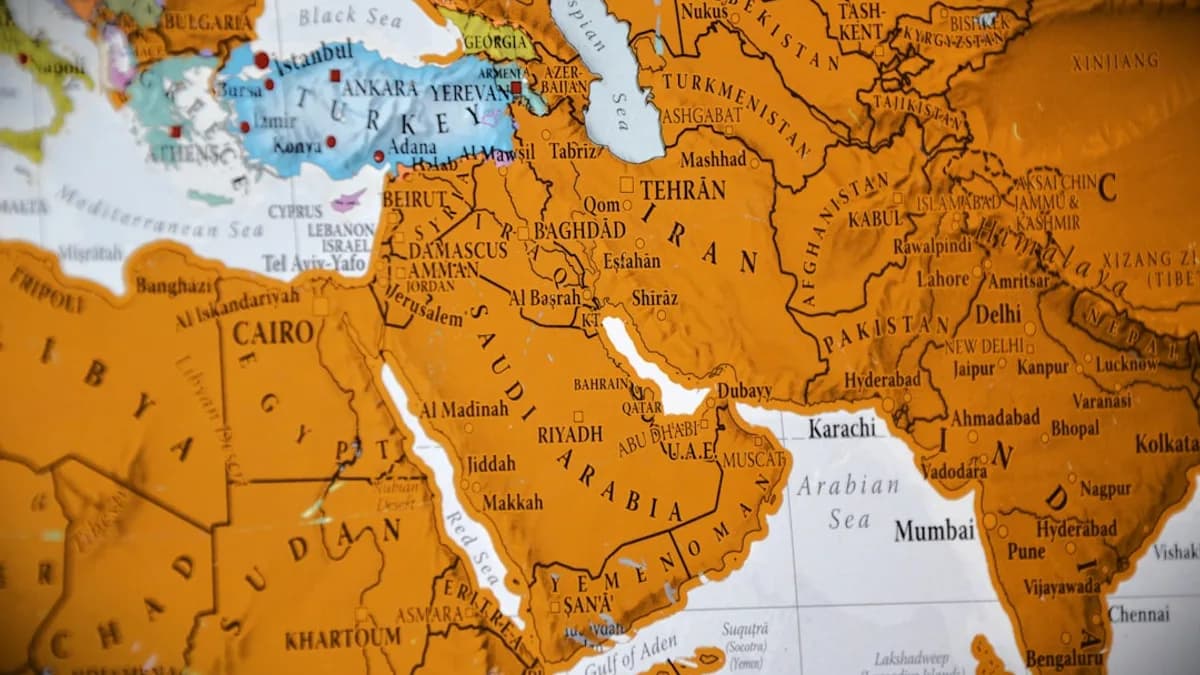
The Strait of Hormuz is a narrow waterway near Iran. It matters a lot because about 20% of the world’s oil travels through it every day. If anything goes wrong there, oil shipments can be blocked or slowed. Citi, a big bank, says there are three ways things might go in the Strait of Hormuz.
First, Citi says the best-case scenario is that peace talks work. Ships keep moving, and oil flows without trouble. If this happens, oil prices could drop to $80 or even lower, as traders feel safer and supply stays strong.
Second, Citi suggests a middle-case. Maybe talks stall, but no fighting breaks out. The Strait stays open, but there’s more tension. Oil prices might stay around $90 to $100 as people worry but don’t panic. This is what we’re seeing right now—prices jump on bad news and fall on good news.
Third, Citi warns about the worst-case. If talks break down and fighting starts, the Strait could close or get attacked. That would cut off a lot of oil. Prices could soar above $120, maybe even hitting levels seen in past wars or big crises. This would hurt economies around the world, raising costs for gas, food, and goods.
Citi’s forecast helps traders plan for what might happen next. The Strait of Hormuz has seen trouble before, like during the Iran-Iraq war in the 1980s, when oil prices shot up and stayed high for months. Today’s market remembers those lessons, so every headline about the Strait gets close attention. [Source: Google News, CNBC]
Broader Market Implications of the US-Iran Peace Talks on Global Energy Security
Peace talks between the US and Iran are about more than just oil prices—they shape global energy security. If the talks succeed, oil supply from the Middle East could become steadier. Countries and companies would worry less about sudden price spikes or shortages. This could help keep inflation down, since energy costs affect everything from shipping to groceries.
But if talks fail, the risk goes up. Investors start to add a “risk premium” to oil prices. This means they pay extra, just in case supply gets disrupted. Right now, that premium is swinging up and down with every news report. Some traders are buying oil futures as insurance against possible trouble. Others are selling, betting that peace will last.
The uncertainty makes it hard for big energy users—like airlines, shipping companies, and manufacturers—to plan ahead. They might lock in prices now, worried things could get worse. Or, they might wait, hoping for a drop if talks succeed.
Geopolitical risks like these have shaped oil markets for decades. For example, during the Gulf War in 1990, oil prices more than doubled in a few months. More recently, when Iran threatened to close the Strait of Hormuz in 2012, prices shot up but then cooled as tensions eased.
Right now, the market is not as panicked as in those past moments, but investors are nervous. Some experts say if the US-Iran talks break down, prices could jump $20 or more in a week. On the other hand, if peace holds and ships keep moving, prices might settle, and risk premiums would shrink.
Energy security is not just about oil. Natural gas, which is also shipped through the region, faces the same risks. If trouble starts, Europe and Asia could see higher gas prices and shortages.
Investors are watching not just the talks, but also signs of military build-up, new sanctions, or changes in shipping patterns. Even small events, like a ship getting stopped, can spook the market.
For now, the peace talks are the main story, but other risks could pop up fast. That’s why traders, companies, and governments are keeping a close eye on the news. [Source: Google News, BBC, CNBC]
Conclusion: What to Watch Next in Oil Markets as US-Iran Negotiations Continue
Oil prices are swinging as investors watch US-Iran talks and the Strait of Hormuz. The main factors are peace talks, ceasefire news, and global shipping routes. Any new deal or setback could shift prices quickly.
Looking ahead, traders will follow every move in the talks. They’ll watch for signs of agreement, new sanctions, or military activity. Reports about shipping through the Strait of Hormuz will matter most.
For investors, the lesson is simple: expect volatility. It’s smart to keep an eye on news and be ready to act fast. Companies that use a lot of energy should plan for both price jumps and drops. History shows that big changes can happen in days, not weeks. The next headline from the US or Iran could decide where prices go next. [Source: Google News]
⚠️ Disclaimer: This article is for informational purposes only and does not constitute financial advice. Always do your own research before making investment decisions.
Why It Matters
- Oil and gas prices directly impact energy costs for consumers and businesses worldwide.
- US-Iran peace talks influence global supply routes and market stability.
- Rapid price swings highlight how geopolitical events can disrupt financial markets.