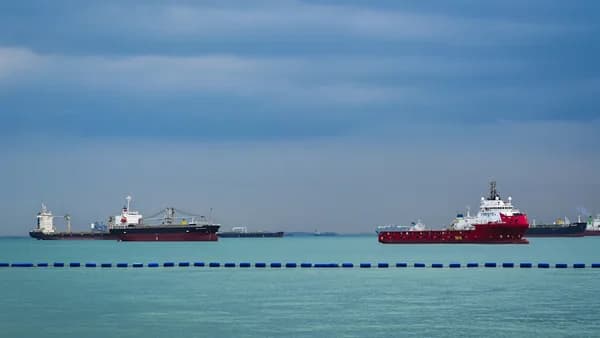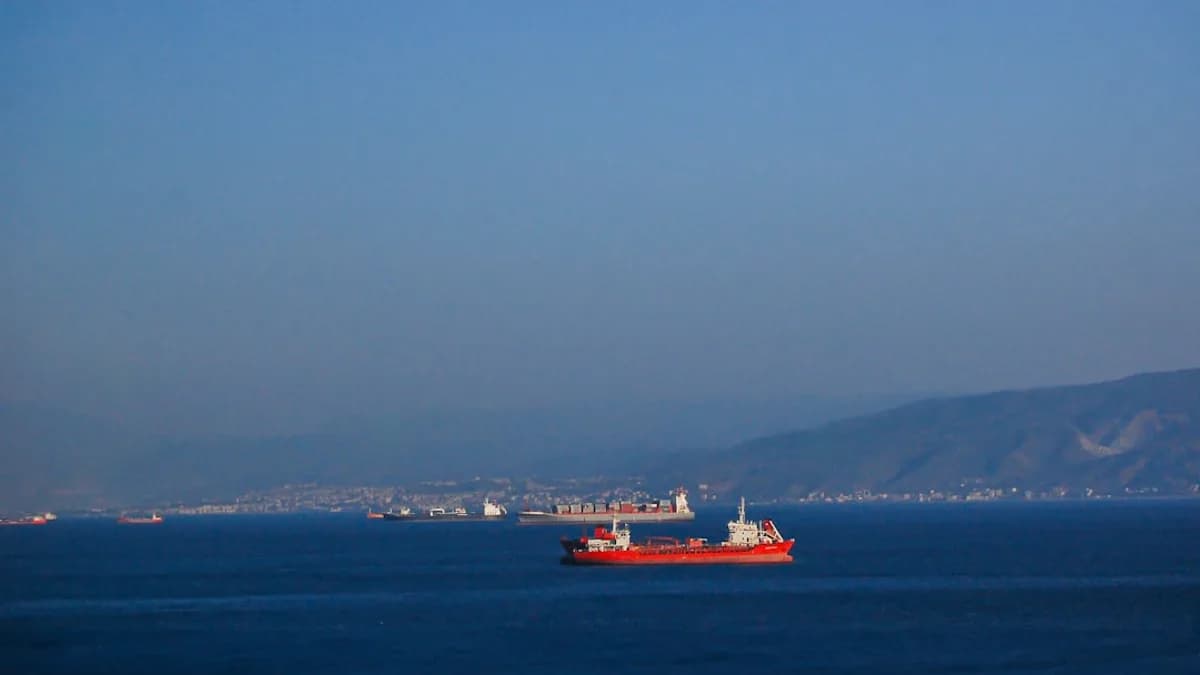
Prediction markets are treating the Bab el-Mandeb Strait as dangerous but still open: the YES odds for an effective closure by September 30 stood at 20%, even as Houthi attacks continue to threaten Red Sea shipping.
That is the core signal beneath the headline. Houthi attacks are slowing oil shipments, not stopping them, according to CryptoBriefing. For tanker operators, Saudi-linked cargoes, energy buyers, and governments trying to keep sea lanes open, the market is pricing a grim middle ground: persistent disruption without a full chokepoint shutdown.
Tanker Operators Face a Dangerous Route, Not a Closed One
The Red Sea trade is now operating inside a risk band. Some tankers are still moving through the area, while some operators are rerouting or adjusting behavior because the threat has not disappeared.
That distinction matters. A partial disruption changes timing, routing, and risk tolerance. A full closure of Bab el-Mandeb would be a different event entirely, cutting off a key passage between the Red Sea and the Gulf of Aden and forcing broader changes across trade routes.
The current evidence supports the softer reading. CryptoBriefing says attacks have slowed but have not stopped oil shipments, while the market figure cited in the report puts an effective closure by September 30 at 20% YES.
So what are shipowners actually pricing: fear or closure?
MLXIO analysis: They appear to be pricing operational danger rather than commercial abandonment. If ships are still transiting, the market can absorb delays and selective rerouting. If operators collectively stop using the route, prediction-market odds should move sharply higher.
Prediction Markets Are Betting on Containment, Not Safety
The 20% closure probability is not a calm signal. It is a containment signal.
A one-in-five market-implied chance of closure by September 30 says participants see a real path to escalation. But it also says that a full shutdown is not the base case. The reported 20% figure suggests traders are treating the latest reports as consistent with continued traffic under pressure.
That is a narrow but important distinction:
| Scenario | What it implies | Current source support |
|---|---|---|
| Managed disruption | Tankers continue with caution, selective rerouting remains possible | Supported by reports of continued passage |
| Escalation | More attacks, more rerouting, higher perceived closure risk | Supported by ongoing Houthi threat |
| Full closure | Bab el-Mandeb effectively becomes commercially unusable | Not the current base case in prediction pricing |
The market is not saying the route is safe. It is saying the route remains usable enough for some traffic to continue.
This also fits the broader regional picture. The BBC reported that Houthi attacks could disrupt the Bab el-Mandeb Strait route and said the group claimed to have turned back 10 vessels after warning ships to avoid Saudi ports. That kind of pressure can alter behavior before it produces a formal closure.
For readers tracking energy chokepoints, this Red Sea risk now sits alongside our wider coverage of Hormuz traffic stress and oil-trader reactions to Iran strikes. The common thread is not that every chokepoint closes. It is that markets start repricing optionality before the worst case arrives.
Saudi-Linked Cargoes Sit at the Center of the Risk
The Houthi campaign described in the source material is not random piracy. It is political and regional.
CryptoBriefing says the attacks are part of a broader conflict involving Yemen’s Houthi movement, which has targeted vessels near Bab el-Mandeb, affecting Saudi Arabian-linked oil cargoes and regional trade routes.
Al Jazeera reported that the Houthis announced attacks on several Saudi oil tankers in the Red Sea with drones and missiles, damaging at least one. The same report said the Houthi blockade announced on July 20 was framed as an “eye for an eye” response to a strike on Sanaa’s international airport that the group blamed on Saudi Arabia.
A Houthi spokesperson also sought to narrow the scope of the campaign:
“The announced Yemeni position … is limited to a naval blockade targeting only the Saudi side in response to its siege of Yemen and its refusal to accept any fair approach to a solution that guarantees the security, sovereignty and independence of the Yemeni people,” Mohammed Abdul Salam said, according to Al Jazeera.
That statement is important because it separates a targeted blockade claim from a declared closure of Bab el-Mandeb itself. But shipping markets may not draw such a neat line. If missiles and drones are active near a chokepoint, risk models care less about stated intent and more about exposure.
Could a “Saudi-only” campaign still disrupt wider traffic? Yes. If operators believe identification errors, escalation, or retaliation could widen the threat, they may reroute even without being named targets.
Governments Are Trying to Keep the Route Navigable Without Widening the War
The military and diplomatic challenge is straightforward and ugly: keep commercial shipping moving without turning the Red Sea into a larger battlefield.
CryptoBriefing points to slowed attacks that have not stopped oil shipments. The BBC separately reported that U.S. Central Command carried out strikes for 13 consecutive nights on Iranian targets, while the Houthis entered the fray after a 2022 ceasefire with Saudi Arabia appeared to have broken down.
That context matters because Houthi activity is not isolated from the wider regional confrontation. The Guardian describes the Houthis as an Iran-backed militant group based in Yemen with an estimated 20,000 fighters, and notes that they became able to disrupt international trade because of their proximity to a key shipping corridor at the entrance to the Red Sea.
For governments, the practical question is not only whether Bab el-Mandeb is open. It is whether commercial actors believe naval protection and route conditions are enough to justify passage.
MLXIO analysis: Confidence is the real chokepoint. A strait can remain physically open while becoming commercially unattractive if enough shipowners, crews, insurers, or cargo owners decide the risk is no longer tolerable. The supplied data does not show that threshold has been crossed.
Energy Buyers Are Facing Friction, Not a Classic Supply Shock
The current Red Sea oil story is not yet about barrels disappearing from the system. It is about barrels moving under threat.
That is why oil shipments can slow without triggering the kind of shock usually associated with a closed chokepoint. If tankers delay, reroute, or proceed under heightened risk, the market sees stress but not necessarily immediate loss of supply.
The source material supports that measured reading. CryptoBriefing says some tankers continue to pass through the high-risk area. It also says prediction markets put the probability of full closure at 20%. Al Jazeera reported that the Red Sea handles roughly 30 percent of all sea container traffic, underscoring why even partial disruption can matter for global trade.
But the evidence does not justify claiming a specific effect on current oil prices, freight rates, insurance premiums, or refinery margins. Those may be channels to monitor, but they are not quantified in the supplied reporting.
For energy buyers in Europe and Asia, the immediate concern is operational reliability. Can cargoes arrive on schedule? Will operators continue to accept the route? Will route policies tighten?
For crypto and prediction-market users, the lesson is sharper: geopolitical contracts can move on evidence of operational resilience, not just headlines. A lower closure probability does not mean lower danger. It means the market sees the system adapting for now.
September 30 Will Test Whether Adaptation Holds
The next phase turns on whether the current pattern persists: slowed but continuing attacks, continued tanker movement, and no effective closure of Bab el-Mandeb.
Three scenarios now frame the trade through September 30:
- Managed disruption: Attacks remain a threat, some operators reroute, but oil shipments continue through the Red Sea.
- Escalation: A major strike, broader regional retaliation, or tougher maritime warnings pushes closure odds above 20%.
- Temporary commercial abandonment: The strait remains physically open, but enough operators avoid it that markets treat it as effectively closed.
The evidence that would confirm the current thesis is continued passage by tankers and stable or lower prediction-market closure odds. The evidence that would weaken it is public suspension of Red Sea transits by major operators, new successful attacks on tankers, or official maritime warnings that materially raise the cost of passage.
For now, the market’s message is narrow but useful: the Red Sea oil trade is absorbing geopolitical friction. The watch item is how long adaptation remains cheaper than avoidance.
Disclaimer: This MLXIO analysis is for informational and educational purposes only. It is not financial, investment, legal, tax, or professional advice. It does not provide buy, sell, hold, price-target, portfolio, or personalized recommendations. Verify information independently and consult qualified professionals before making decisions.
Impact Analysis
- The Red Sea remains dangerous but not fully closed, keeping oil flows moving under higher risk.
- A 20% closure probability signals serious concern without implying a full shipping shutdown is expected.
- Energy buyers, tanker operators, and governments must plan for delays and rerouting rather than assume normal trade conditions.