Can a wand-shaped tap-to-pay tag make Cash App payments feel less like checkout plumbing and more like something users want to show off?
Cash App is launching a wand-shaped NFC tap-to-pay tag, a physical payment gadget tied to the Cash App Card, according to TechCrunch. The wand is the first product in a new Cash App tag hardware lineup, with more tap-to-pay tag options planned.
Can Cash App make tap-to-pay visible again?
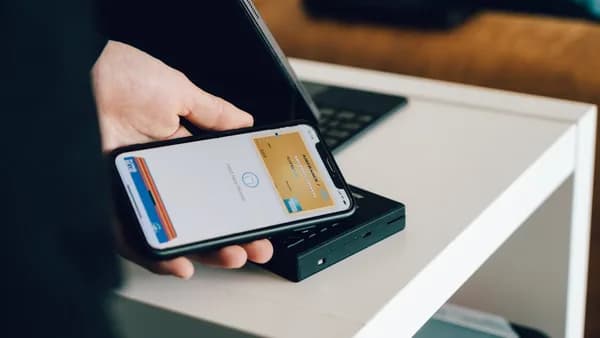
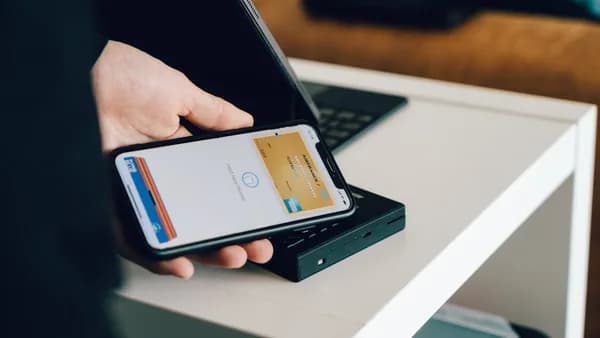
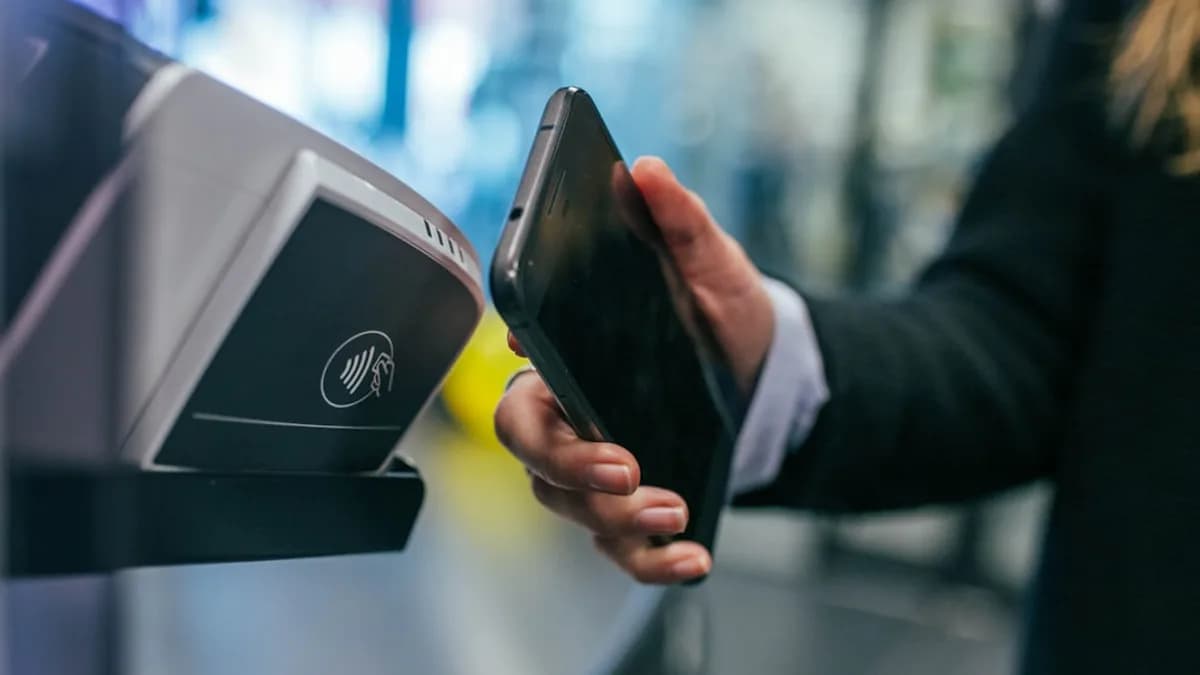
The wand takes a behavior that usually happens through a phone, card or watch and turns it into a small performance: tap the wand, pay, get a spend notification.
That design choice is not accidental. Cash App said the tag links to a user’s Cash App Card, activates through the app, and does not require a minimum balance to work. Users can lock or unlock the tag in the app and deactivate it if it is lost.
The broader idea is simple: instead of keeping payment credentials buried inside a phone wallet or tucked away on a card, Cash App is testing whether the payment object itself can become something visible.
The company is also leaning into the internet-native joke behind the product. The wand appears connected to a social media behavior where people hide tap-to-pay cards inside homemade magic wands and then “cast” payments at checkout.
That makes the product more than a technical accessory. It is a small piece of hardware built around the idea that checkout can become a visible, playful gesture rather than an invisible utility.
Analysis: The hard part is not introducing a new payment account. The harder product bet is whether users want payment hardware that is intentionally noticeable and whether that novelty can survive everyday use.
Does the wand solve a checkout problem or create a brand moment?
The practical case is narrow but real. If a user wants to pay without pulling out a phone or digging for a card, a separate NFC object could reduce friction in some situations.
But the larger pitch is social. Cash App is not just selling another way to tap. It is selling a payment object that can be seen, customized, photographed and treated as a conversation piece.
That matters because Cash App already competes for attention inside a crowded set of payment behaviors. Cash App’s own app listings emphasize card and digital wallet features, including support for Apple Pay and Google Pay. The wand tries to move Cash App from being one option inside the phone to being the object in the user’s hand.
| Payment method | What the user does | What Cash App’s wand changes |
|---|---|---|
| Phone wallet | Unlock or wake a phone, tap at terminal | Removes the phone from the moment |
| Physical Cash App Card | Pull card from wallet, tap or insert | Makes the payment object visible |
| Cash App Tag wand | Tap a linked NFC accessory | Turns checkout into a branded gesture |
Cash App’s official site now promotes “the all-new Cash App Tags” as “a more whimsical way to tap to pay,” and says tags are linked to Cash App Card and can be locked anytime. The same site says 59 million+ people trust Cash App and that the company has prevented $2 billion+ in scams since 2020.
Security is central because a visible payment object is easier to misplace than a phone locked behind biometrics. Cash App says wand users will receive instant spend notifications, can lock or unlock the tag at any time, can deactivate it from the app if lost, and that the company is monitoring fraud for tag payments.
Analysis: Cash App is trying to make payments feel like an accessory category. That connects to a broader question in consumer tech: which everyday actions become branded objects again after years of moving into apps? We explored that larger product cycle in Future Trends Reveal What Leaders Can't Ignore Next.
Is this really about Gen Z, or about testing payment hardware?
The wand’s tone appears built for users who respond to playful, visible and social-media-friendly products rather than conventional banking features.
Cash App also already has a younger-user angle in its broader app ecosystem. Its Google Play listing says ages 13 to 17 can use Cash App when sponsored by a parent or guardian.
The wand sits near that same lane, but the supplied material does not show it as a new financial product with new economics. It is a way to make an existing Cash App Card relationship more tangible, especially for users who may treat payment objects as personal style.
Still, the product has to clear a basic usefulness test. If tapping a wand is slower, riskier or more awkward than tapping a phone or card, the novelty fades fast.
That is where app controls matter. A tag that can be locked, unlocked and deactivated from the app gives Cash App a security story, but it also makes the app the command center for the physical device. For a separate example of how access to financial apps can become the issue itself, see MLXIO’s coverage of the Lloyds App Outage Locks Thousands Out of UK Accounts.
How far can Cash App take NFC tags beyond one wand?
Cash App said it plans to introduce more types of tap-to-pay tags.
The company has not disclosed the full set of future form factors in the supplied material. That leaves the strategic question open: is the wand a one-off viral product, or the first test of a broader physical payments line?
The answer will depend on a few concrete signals:
- Form factors: Whether Cash App moves beyond the wand into objects people carry daily.
- Availability: Whether tags remain scarce or become easy to buy.
- Security controls: How clearly users understand locking, unlocking and deactivation.
- Replacement policy: What happens when a tag is lost, damaged or stolen.
- Retail behavior: Whether users keep tapping tags after the novelty wears off.
The near-term stakes are simple. Cash App does not need the wand to replace phones or cards. It needs the tag to be fun enough to carry and useful enough not to become drawer clutter.
Disclaimer: This MLXIO analysis is for informational and educational purposes only. It is not financial, investment, legal, tax, or professional advice. It does not provide buy, sell, hold, price-target, portfolio, or personalized recommendations. Verify information independently and consult qualified professionals before making decisions.
Key Takeaways
- Cash App is testing whether payment hardware can become a social and visible part of checkout.
- The wand could appeal to users who want tap-to-pay without pulling out a phone or card.
- Its success depends on whether novelty can translate into repeat everyday use.