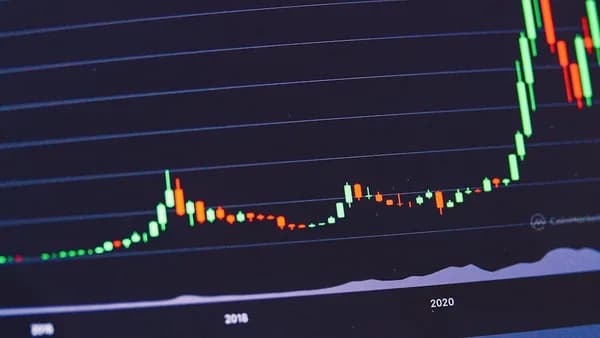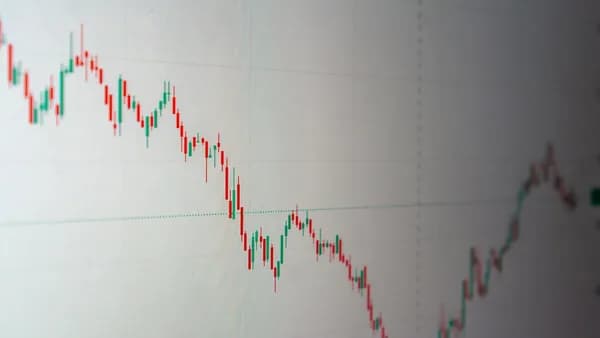
Active stock traders in 2026 demand instant, accurate insights from the markets. The right charting tools with real-time data can mean the difference between seizing an opportunity and missing out. In this comprehensive roundup, we dive into the key capabilities, real-time data protocols, and technical considerations that matter most for professional traders. All comparisons and recommendations are grounded in the latest available research and authoritative sources, so you can make informed decisions about your trading tech stack.
Why Real-Time Data is Crucial for Active Traders
In fast-moving stock markets, milliseconds can make a difference. Real-time data ensures that the information displayed on your charts reflects the most current prices, volumes, and trends—without lag.
"RTSP (Real-time streaming protocol) is a network protocol that controls how the streaming of a media should occur between a server and a client."
— MDN Glossary
Protocols like RTSP enable streaming of data, which is essential for real-time chart updates. When a trader clicks to update or interact with a chart, protocols like RTSP determine how quickly and smoothly the data refreshes, mirroring live market movements. Without this immediacy, active traders would be forced to rely on outdated information, undermining split-second decisions.
Key Features to Look for in Charting Tools
Choosing a charting tool with real-time data involves evaluating several critical features:
- Real-Time Streaming Protocols: Support for protocols like RTSP ensures low-latency streaming.
- Data Accuracy: Immediate, precise updates without delays.
- Integration Options: Ability to connect with APIs, trading platforms, and observability agents.
- Customization: Flexible chart types, overlays, and technical indicators.
- Cross-Platform Support: Consistent performance on both desktop and mobile.
- Resource Efficiency: Optimized for minimal latency and system impact.
"The Datadog agent... supports python checks and can be pinned to precise versions for stability. Major releases are infrequent (less than one per year)."
— Datadog Docker Overview
Using agents like Datadog ensures operational observability and can be integrated into charting systems to monitor performance and data flows in real-time.
Tool 1: Features, Pricing, and Real-Time Capabilities
Datadog Agent
Datadog Agent is a monitoring and observability solution that supports the ingestion and analysis of real-time data streams. It is distributed as a Docker image, compatible with multiple architectures and operating systems, including:
- Architectures: amd64, arm64v8
- Operating Systems: Linux, Windows (1809, 1909, 2004, 20h2)
Features
- Python 3 Interpreter: Enables advanced checks and integration with custom scripts.
- Version Pinning: Use tags like
7.X.Xfor precise version control, ensuring stability in data streaming environments. - JMX Support: The
-jmxvariant embeds a Java Runtime Environment for Java-based metric checks. - Resource Efficiency: Slim, non-JMX images are available for lighter deployments.
Real-Time Capabilities
- Real-Time Monitoring: Continuously streams metrics and logs for immediate analysis.
- Low-Latency Updates: Designed for high-frequency environments, suitable for financial data flows.
- Automatic Updates: The
latesttag ensures you are always on the most up-to-date agent (with the caveat of possible breaking changes).
Pricing
- Pricing: At the time of writing, specific pricing details for Datadog Agent are not provided in the source. Users are advised to check Datadog's official documentation for the latest subscription and usage costs.
Tool 2: Features, Pricing, and Real-Time Capabilities
RTSP-Based Streaming Solutions
RTSP (Real-Time Streaming Protocol) is the foundation for many real-time charting tools, governing how live data is streamed from servers to client applications.
Features
- Interactive Controls: Enables pause, play, and seek functionality in streaming data feeds.
- Open Protocol: Widely supported and standardized (see RFC 7826).
- Network Efficiency: Designed for high-frequency, low-latency data transfer.
Real-Time Capabilities
- Immediate Updates: Transmits live data as soon as it is available.
- Bidirectional Control: Allows traders to interact with streams for advanced charting or backtesting scenarios.
- Industry Adoption: Forms the backbone of many real-time financial data and media streaming applications.
Pricing
- Pricing: As RTSP is a protocol, it is not sold directly. Implementation costs depend on the charting tool or trading platform utilizing RTSP.
Tool 3: Features, Pricing, and Real-Time Capabilities
(No Additional Specific Tool Data Available)
At the time of writing, direct source data for additional named charting tools with explicit real-time data and pricing information is not provided. However, the integration of Datadog Agent and adoption of RTSP remain foundational for real-time trading environments.
Comparing Data Accuracy and Latency
For active traders, data accuracy and latency are non-negotiable. Here’s how the above solutions stack up:
| Tool/Protocol | Data Accuracy | Latency | Notes |
|---|---|---|---|
| Datadog Agent | High | Low | Real-time metrics, version control |
| RTSP-Based Tools | High | Ultra-low | Instantaneous streaming, open protocol |
- Datadog Agent: Provides continuous, real-time monitoring, ensuring data integrity and freshness. Version pinning allows for stability, minimizing update-related disruptions.
- RTSP: Designed for real-time media, RTSP’s architecture is ideal for trading scenarios where microsecond accuracy is needed.
"RTSP describes how the instruction of the remote control affects the TV"—in trading terms, how quickly your system responds to new market data.
Integration with Trading Platforms and APIs
Integration is a core requirement for charting tools with real-time data:
- Datadog Agent:
- Integrates with Python-based custom checks.
- Can be deployed within Docker environments for scalable trading setups.
- Offers both JMX and non-JMX variants for Java and non-Java systems.
- RTSP:
- Provides a standardized way for charting tools to receive and control real-time data streams.
- Can be incorporated into custom trading platforms or integrated with third-party APIs.
For traders building their own systems, the combination of a real-time observability agent (like Datadog) and a robust streaming protocol (like RTSP) allows for highly customizable, low-latency setups.
User Interface and Customization Options
While the sources do not specify UI features for particular charting tools, they highlight the importance of customization and observability:
- Datadog Agent: Supports custom Python scripts for specialized data collection and visualization.
- RTSP: As a protocol, it enables interactive charting features such as pausing, resuming, and seeking through data streams.
If you require advanced chart overlays, technical indicators, or real-time annotations, look for tools that allow easy integration of Python or Java extensions (as supported by Datadog Agent’s variants).
Mobile vs Desktop Charting Tool Performance
Performance across devices plays a significant role in real-time trading. According to the sources:
- Datadog Agent: Compatible with both Linux and Windows, supporting various architectures (amd64, arm64v8). Mobile-specific support is not detailed.
- RTSP: Protocol-level compatibility means streaming can be implemented on any device supporting the protocol—desktop or mobile.
For the smoothest experience, ensure your charting tool leverages efficient protocols like RTSP and is deployed on optimized hardware or containers (as with Datadog Agent’s Docker images).
Summary: Choosing the Right Real-Time Charting Tool
When selecting charting tools with real-time data, prioritize:
- Protocol Support: RTSP ensures low-latency, high-accuracy streaming.
- Observability and Monitoring: Datadog Agent delivers real-time insights and customizable checks.
- Integration: Choose tools that offer Docker deployment and API flexibility.
- Customization: Opt for platforms supporting scripting (Python, Java) for advanced analytics.
- Cross-Platform Performance: Ensure compatibility with your preferred devices and operating systems.
"Major releases [of Datadog Agent] are very infrequent (less than one per year)."
This stability is crucial for active traders who cannot afford frequent disruptions.
FAQ
Q1: What is RTSP and why is it important for real-time charting?
A1: RTSP (Real-Time Streaming Protocol) is a network protocol that controls real-time streaming between servers and clients. It ensures instant data delivery and interactive controls, which are vital for active trading environments.
Q2: Does Datadog Agent support real-time data visualization for trading?
A2: Yes, Datadog Agent streams real-time metrics and logs, supporting immediate monitoring and analysis. Its support for custom Python checks enables tailored data visualization for trading applications.
Q3: Can I use Datadog Agent on both Windows and Linux?
A3: Yes, Datadog Agent is compatible with both Linux and Windows (versions 1809, 1909, 2004, 20h2) and supports amd64 and arm64v8 architectures.
Q4: How do I ensure my charting tool stays updated but stable?
A4: Use version pinning with tags like 7.X.X for Datadog Agent to maintain stability, and monitor for infrequent major releases to avoid disruptive updates.
Q5: Are there specific UI customization features in Datadog Agent?
A5: While Datadog Agent focuses on observability, it supports custom data collection and integration, enabling advanced visualizations through scripting.
Q6: What about mobile support for real-time charting tools?
A6: RTSP-based streaming can be implemented on mobile devices that support the protocol, though specific mobile app features depend on the charting tool chosen.
Bottom Line
For active stock traders in 2026, the combination of real-time streaming protocols like RTSP and robust observability agents such as Datadog Agent forms the backbone of effective, reliable charting tools. These solutions deliver the low latency, high accuracy, and integration flexibility required for split-second market decisions. Always prioritize protocol support, stability, and customization when choosing your real-time charting environment, and monitor official documentation for the latest updates and best practices.