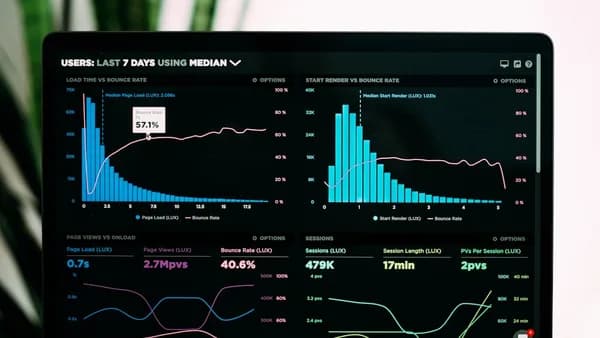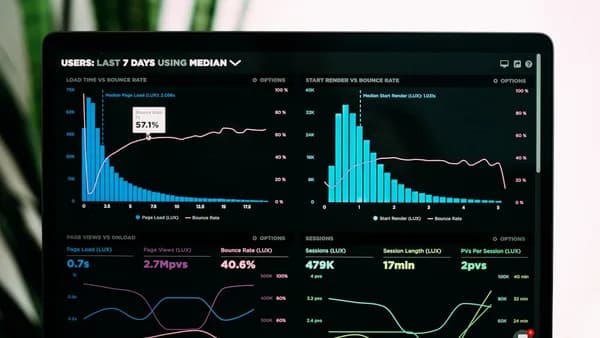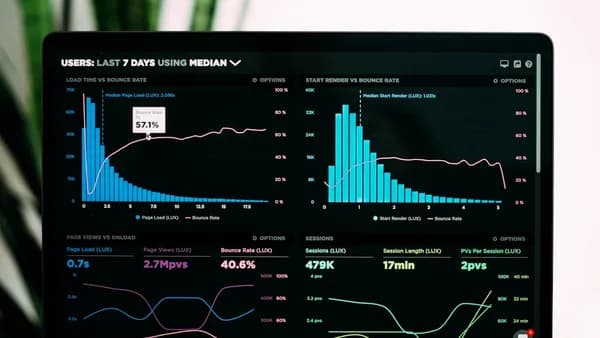
For SaaS startups in 2026, selecting the right product analytics platform is a critical decision that can shape user growth, retention, and product direction. With a rapidly evolving landscape of analytics tools, understanding what sets each platform apart—and how their features, pricing, and data policies align with your startup’s stage—is more important than ever. This product analytics platforms comparison draws on recent, real-world research and hands-on evaluations to help founders and product leaders make informed, confident choices.
Why Product Analytics Matter for SaaS Startups
The success of SaaS startups hinges on understanding how users interact with your product—not just where they came from, but what they do once they're inside your app. Product analytics platforms go beyond basic web analytics by providing granular, event-based data on user behaviors, feature adoption, and drop-off points.
“Product analytics software tracks in-app user behavior to improve adoption, retention, and conversion.”
— Guideflow Blog, 2026
Key Benefits for SaaS Startups
- Drive Retention: Top product analytics platforms help identify which user behaviors correlate with long-term retention. According to Guideflow, products using advanced analytics retain 1.7-1.9x more users than the average.
- Prioritize Features: Product managers can see which features get traction and which are ignored, allowing better roadmap decisions.
- Optimize Onboarding: Analytics reveal where users drop off in onboarding, so teams can fix friction points and increase activation rates.
- Reduce Churn: By segmenting users and tracking cohorts, customer success and growth teams can proactively address issues before users churn.
Unlike traditional tools like Google Analytics—which focus on traffic sources and page views—product analytics platforms provide the visibility SaaS startups need to iterate quickly and scale intelligently.
Key Features to Evaluate in Analytics Platforms
Not all analytics tools are created equal. For a meaningful product analytics platforms comparison, focus on these core features as highlighted in both Guideflow and SoftwareFinder’s 2026 guides:
| Feature | Description |
|---|---|
| Event Tracking | Records every meaningful user action (clicks, signups, purchases) as customizable events. |
| Funnel Analysis | Visualizes the steps users take toward key goals and pinpoints where they drop off. |
| Retention Analysis | Measures how often users return and what behaviors drive stickiness. |
| Session Replay | Provides video-like replays of user sessions to identify friction and confusion. |
| User Segmentation | Groups users by demographics, actions, or custom cohorts for targeted analysis. |
| Retroactive Capture | Allows for tracking of events and properties even if they weren’t explicitly tagged from the start. |
| Integrations | Connects with other tools (e.g., CRMs, data warehouses) for a unified data stack. |
Other Considerations
- Ease of Implementation: How quickly can your team get up and running?
- Collaboration Tools: Features like shared dashboards and comment threads facilitate cross-team insight.
- Self-hosting & Data Control: Especially important for startups with strict compliance or data sovereignty needs.
- AI & Automation: Some platforms now offer AI-driven insights or automate routine reporting.
Overview of Top Product Analytics Platforms in 2026
The market for product analytics has matured, but a few platforms consistently stand out. Here’s a high-level overview, focusing on those most relevant for SaaS startups and cited across all three research sources.
| Platform | G2 Rating | Starting Price | Best For | Unique Differentiator |
|---|---|---|---|---|
| Amplitude | 4.7/5 | $61/month (Plus plan) | Advanced behavioral analysis, enterprise scale | Behavioral cohort analysis, strong collaboration features |
| Mixpanel | 4.8/5 | $0.28 per 1,000 events | Funnel/retention analysis, self-serve teams | Mature funnel builder, JQL for custom queries |
| Heap | 4.1-4.4/5 | $3,600/year | Auto-capture, retroactive tracking | Sense AI, automatic event capture, session replay |
| PostHog | 4.4/5 | Free tier, $0.00005/event | Developer-led, self-hosted, open source | Self-hosting, feature flags, session replay, SQL-based querying (HogQL) |
| Pendo | 4.3-4.4/5 | $660/month (per SF) | In-app guides, NPS, B2B SaaS | Combines analytics with onboarding and feedback tools |
| FullStory | 4.2-4.5/5 | $29,803/year | UX and user behavior debugging | Session replay, journey mapping, rage click detection |
| Google Analytics | 4.5-4.6/5 | Free (GA4) | Basic insights, early-stage teams | Free baseline analytics, marketing attribution, BigQuery integration |
| LogRocket | 4.4-4.6/5 | $99/month | Frontend monitoring, debugging | Session replay, AI error tracking, developer-friendly |
| Hotjar | 4.3/5 | From $32/month | Qualitative feedback, heatmaps | Heatmaps, surveys, feedback widgets |
“Amplitude excels at behavioral cohort analysis; Mixpanel leads for funnel and retention tracking; Heap offers auto-capture without manual tagging; Pendo combines analytics with in-app guides.”
— Guideflow, 2026
Detailed Feature-by-Feature Comparison
To help you compare product analytics platforms for your SaaS startup, here’s a side-by-side breakdown of how the leading solutions stack up in practice.
| Feature/Platform | Amplitude | Mixpanel | Heap | PostHog | Pendo |
|---|---|---|---|---|---|
| Event Tracking | Yes (customizable) | Yes | Auto-capture | Yes | Yes |
| Funnel Analysis | Yes (visual, flexible) | Yes (mature, detailed) | Yes | Yes | Yes |
| Retention Analysis | Yes (advanced) | Yes | Yes | Yes | Yes |
| Cohort Analysis | Industry-leading | Yes (manual steps) | Exists (less flexible) | Yes (via SQL or agent) | Yes |
| Session Replay | No | No | Yes | Yes | No |
| Feature Flags | No | No | No | Yes | No |
| In-app Guides/NPS | No | No | No | No | Yes |
| Self-Hosting | No | No | No | Yes | No |
| AI Insights | Basic | Yes (AI-powered) | Sense AI | Some automation | No |
| Collaboration | Notebooks, sharing | Sharing | Sharing | Slack agent, sharing | Yes |
| Integrations | Strong | Strong | Good | Good | Good |
Platform-Specific Insights
Amplitude:
- "The behavioral cohort builder is where Amplitude separates from the pack. ‘Show me users who completed onboarding in the last 30 days but haven’t used Feature X in the last 7 days’ is a three-click operation." (Cotera)
- Collaboration via Notebooks is a standout for cross-team analysis.
Mixpanel:
- "Mixpanel’s funnel analysis is the most mature of the six. Multi-step funnels with conversion windows, property-level breakdowns at each step..." (Cotera)
- Stable, predictable, and well-documented; best for teams wanting analytics only.
Heap:
- "Heap offers auto-capture without manual tagging; retroactive tracking is a major plus." (Guideflow)
- Session replay and AI-powered insights (Sense AI) included.
PostHog:
- "Open source...does way more than analytics—feature flags, session replays, A/B experiments, surveys, and a SQL engine called HogQL all come bundled together." (Cotera)
- Self-hosting is a genuine differentiator, important for startups with data sovereignty needs.
Pendo:
- Combines analytics with in-app guides and NPS, making it ideal for SaaS companies focused on product adoption and onboarding.
“PostHog deployed to their Kubernetes cluster meant data never left their infrastructure. None of the other five platforms offered this.”
— Cotera, 2026
Pricing Models and Cost Efficiency
Pricing can be the make-or-break factor for SaaS startups. Here’s how leading product analytics platforms price their offerings in 2026, based strictly on source data:
| Platform | Free Tier | Paid Pricing Structure | Notes |
|---|---|---|---|
| Amplitude | Yes (Starter) | Plus: $61/month; Growth/Enterprise: custom | Free plan has limits; enterprise pricing ramps fast |
| Mixpanel | Yes | $0.28 per 1,000 events | Flexible, event-based; pay for what you use |
| Heap | Yes | $3,600/year | Annual pricing; auto-capture included |
| PostHog | Yes (generous) | $0.00005/event | Self-hosting available; consolidates multiple tools |
| Pendo | No free tier specified | $660/month (as per SoftwareFinder) | Pricing on the higher end, but bundles in-app guides |
| FullStory | No | $29,803/year | Enterprise-level UX analytics; not startup-friendly |
| LogRocket | Yes | From $99/month | Includes session replay and error tracking |
| Hotjar | Yes | From $32/month | Focused on heatmaps and surveys |
Key Takeaways
- Amplitude and Mixpanel offer free tiers, but advanced features and higher event volumes can escalate costs quickly.
- PostHog stands out for its generous free tier and extremely low per-event cost, plus the ability to self-host and consolidate several tools into one subscription.
- Heap is more expensive upfront but includes retroactive tracking.
- Pendo and FullStory are priced for mature SaaS teams or enterprises rather than early-stage startups.
- LogRocket and Hotjar offer affordable starting points, especially for qualitative feedback and frontend monitoring.
“PostHog also gave the engineering team feature flags (replacing LaunchDarkly) and session replays (replacing FullStory), which cut two vendors and saved about $3,000/month.”
— Cotera, 2026
Data Privacy and Compliance Considerations
For SaaS startups, especially those serving regulated industries or international customers, data privacy and compliance are crucial factors when comparing product analytics platforms.
Key Considerations
- Data Residency: Startups with enterprise clients or those in the EU often face strict data residency requirements.
- Self-Hosting: PostHog is explicitly called out for self-hosting; data never leaves your infrastructure when deployed on-premises or in your own cloud.
- GDPR Compliance: Countly is noted as a privacy-focused platform with built-in GDPR compliance, although detailed pricing and features are not as widely covered in the sources.
- Integrations with Secure Warehouses: Platforms like Google Analytics integrate with BigQuery, offering more control over where data resides, but this doesn’t always extend to more advanced product analytics use cases.
“The self-hosting option was a genuine differentiator. Elena’s company had two enterprise customers with strict data residency requirements. PostHog deployed to their Kubernetes cluster meant data never left their infrastructure. None of the other five platforms offered this.”
— Cotera, 2026
If privacy and compliance are top priorities for your SaaS startup, prioritize platforms that offer self-hosting or clear data governance features.
User Experience and Onboarding Process
A powerful analytics tool is only valuable if your team can use it effectively. The evaluation by Cotera’s Elena, who rolled out six tools at a growing SaaS company, provides real-world insight into onboarding and usability:
Platform Usability Insights
- Amplitude: "The most PM-friendly analytics platform...The learning curve is about two hours for someone who has never used product analytics before." Collaboration features like Notebooks streamline sharing and insight generation.
- Mixpanel: "Stable, predictable, and well-documented." While not the flashiest, it’s reliable and easy to onboard for teams familiar with analytics.
- Heap: Auto-capture reduces the setup time and need for manual event tagging, but some advanced segmentation features feel less intuitive.
- PostHog: "The engineer’s platform." The interface assumes technical comfort, especially when using HogQL for custom queries. However, a Slack agent for daily summaries helps less technical PMs stay in the loop.
- Pendo: Combines analytics with in-app guides, making onboarding smoother for both your team and your product users. However, pricing may be a barrier for smaller startups.
“Amplitude’s UI is opinionated in a way that guides you toward the right analysis. You start with a question, pick a chart type, define the steps, and get a readable answer.”
— Cotera, 2026
Final Recommendations Based on Startup Needs
Choosing the right product analytics platform depends on your SaaS startup’s stage, technical profile, and growth trajectory. Here are evidence-based recommendations grounded in recent real-world usage and expert analysis:
1. For Early-Stage Startups and MVPs:
- Mixpanel or Amplitude (free tiers) for fast, focused event tracking and funnel analysis.
- Hotjar or LogRocket for affordable qualitative insights and session replays.
2. For Engineering-Led Teams or Those with Data Sovereignty Needs:
- PostHog is the standout, offering self-hosting, open-source flexibility, and the ability to consolidate feature flags, session replays, and analytics in one platform.
- Countly (for privacy-focused, GDPR-compliant SaaS) is also worth evaluating, though detailed feature comparisons are less available.
3. For Product-Led Growth and Cross-Team Collaboration:
- Amplitude shines for its behavioral cohort analysis, collaboration features, and intuitive UI—ideal for PM-driven teams.
- Pendo if in-app guidance, onboarding, and feedback collection are as important as analytics.
4. For Mature SaaS Startups with Scale and Specialized Needs:
- Amplitude or Mixpanel for robust analytics, with an understanding that pricing can scale rapidly.
- FullStory for enterprise-level UX debugging and session intelligence, if budget allows.
5. For Startups Needing Maximum Cost Efficiency:
- PostHog (generous free tier, low per-event cost) and the ability to replace multiple tools.
- Mixpanel pay-as-you-go model for predictable budgeting.
“All three [Amplitude, Mixpanel, PostHog] will show you where users drop off, which features get adopted, and how cohorts behave.”
— Cotera, 2026
FAQ: Product Analytics Platforms Comparison
Q1: What’s the main difference between product analytics and web analytics like Google Analytics?
A: Product analytics tracks user actions within your app (feature usage, drop-off, retention), while web analytics like Google Analytics focuses on traffic sources and page views. Product analytics provides deeper insight into user behavior after login. (Guideflow)
Q2: Which platform offers the best free tier for startups?
A: Mixpanel, Amplitude, Heap, and PostHog all offer free tiers, but PostHog’s free tier is noted as particularly generous and includes multiple features (Cotera, Guideflow).
Q3: What’s the best tool for engineering teams needing self-hosting and data control?
A: PostHog is the only major platform cited in the sources to offer true self-hosting and open source, making it the best fit for data sovereignty requirements. (Cotera)
Q4: Which platform is best for non-technical product managers?
A: Amplitude is highlighted as the most intuitive, PM-friendly platform with a short learning curve and strong collaboration tools. (Cotera)
Q5: How do pricing models compare for SaaS startups?
A: Mixpanel uses a pay-per-event model, Amplitude starts at $61/month for its Plus plan, Heap is $3,600/year, PostHog is $0.00005/event, and Pendo starts at $660/month. Free tiers are available for most, but costs can ramp up with scale. (SoftwareFinder, Guideflow)
Q6: What about data privacy and compliance?
A: PostHog’s self-hosting is a differentiator for compliance, and Countly is noted as privacy-focused and GDPR compliant. Most cloud-based tools require data to be stored in their infrastructure. (Cotera, Guideflow)
Bottom Line
The product analytics platforms comparison in 2026 reveals a rich ecosystem of tools, each with clear strengths. Amplitude excels in behavioral cohort analysis and PM usability, Mixpanel offers mature, reliable funnel tracking, Heap stands out for auto-capture, and PostHog is the best choice for engineering-led teams needing self-hosting and tool consolidation. Pricing, scalability, and privacy controls vary widely, so align your choice with your SaaS startup’s technical resources, growth stage, and compliance obligations.
All the leading platforms will give you the user journey insights you need, but the best fit comes down to how you work—and how fast you plan to grow.