Xiaomi’s Poco C Pad Tablet Certified by FCC, Signaling Imminent Global Launch
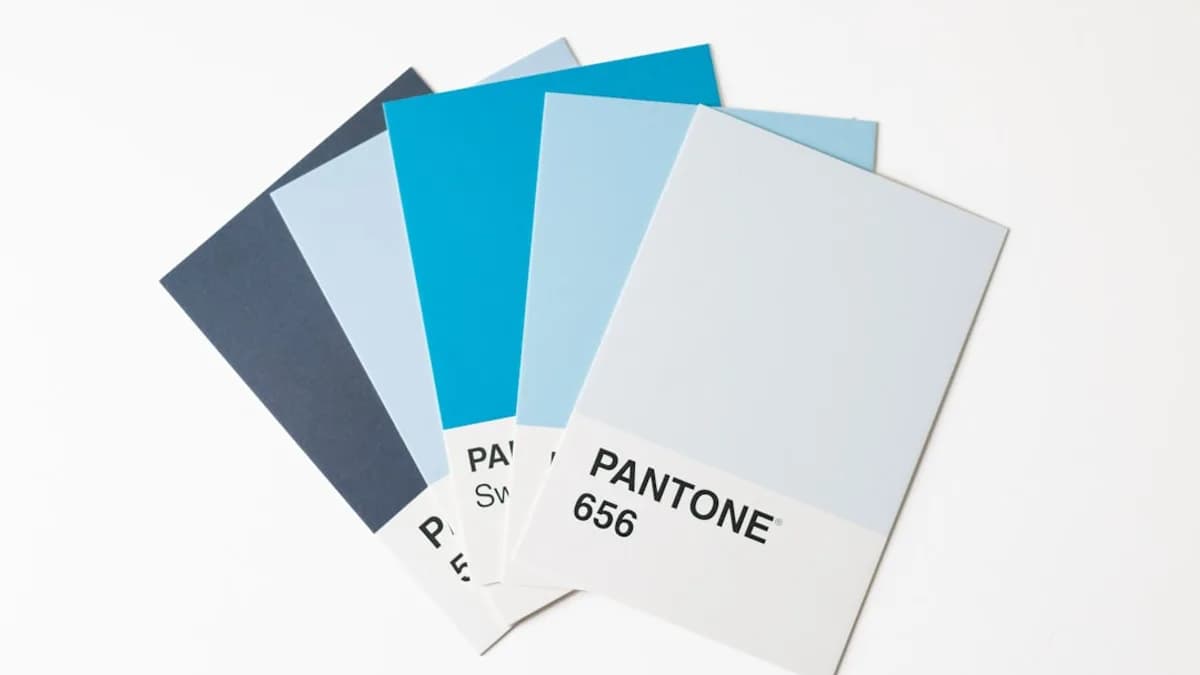
Xiaomi’s next tablet, likely branded as the Poco C Pad, just cleared FCC certification—a clear sign its global debut is around the corner. Regulatory filings surfaced this week, confirming not only the device’s international ambitions but also a focus on design: the tablet will ship in two distinct Pantone colorways, breaking from Xiaomi’s usual monochrome playbook, according to Notebookcheck.
The FCC documents detail model number 24076PCD2G, matching earlier leaks tied to the Poco C Pad. Certification typically means a product is weeks—sometimes days—from official launch. Two Pantone shades cited in the filings suggest Xiaomi wants to stand out in a mid-range market crowded by colorless slabs.
Xiaomi’s timing is deliberate. Tablet shipments jumped 8% year-over-year in Q1 2024 after a sluggish 2023, with demand strongest outside China. A global debut now positions the Poco C Pad to catch that rebound and challenge Samsung and Lenovo in price-sensitive regions.
What the Poco C Pad Certification Reveals About Xiaomi’s Tablet Strategy
Xiaomi’s choice to highlight Pantone-certified colors is no accident. Most tablets in the segment—the Redmi Pad, Galaxy Tab A-series, Lenovo Tab M—stick to safe black, gray, or silver finishes. By betting on Pantone branding, Xiaomi is courting buyers who want their device to double as a style statement, mirroring how Apple uses color to differentiate its lower-cost iPad and iMac lines.
The FCC listing also confirms Wi-Fi-only connectivity, a standard 33W charging rate, and a mid-sized footprint (dimensions and battery capacity inferred from regulatory diagrams). While full specs remain under wraps, leaks suggest a 2K LCD panel, an entry-level Snapdragon or MediaTek chip, and Android 14 out of the box. Expect pricing to undercut the $300 mark, aiming squarely at students and young professionals.
A global certification is the real tell. Xiaomi has typically prioritized China and India for new tablets. This FCC filing—together with previous certifications in Europe and Asia—signals a pivot: the Poco C Pad is built for a broad rollout, not just emerging markets. Xiaomi’s international tablet share stood at just 4% in 2023, compared to Samsung’s 22% and Lenovo’s 13%. The new strategy: use Poco branding (already popular in Europe and Southeast Asia) to grab share where Xiaomi’s mainline tablets haven’t cracked the top five.
Competition is heating up. Samsung’s Tab S6 Lite refresh and Lenovo’s P12 series both launched this spring, pushing sub-$400 tablets with stylus support and premium build touches. Apple’s cheapest iPad still floats near $350, but its aging design leaves room for rivals to attack on both price and aesthetics. Xiaomi, by pairing Pantone colors with aggressive pricing, is signaling it wants to own the entry-level design narrative.
What to Expect Next: Poco C Pad Launch Timeline and Market Impact
With FCC approval in hand, Xiaomi rarely waits long. The company typically unveils new Poco devices within a month of certification; an official announcement could drop before the end of June, with retail availability in Europe, India, and Southeast Asia soon after.
The big question is price. If Xiaomi can hit a $200-$250 starting point—undercutting Samsung and matching or beating Lenovo—the Poco C Pad could upend the pecking order in budget Android tablets. The Pantone partnership might also lure style-focused buyers who previously defaulted to Apple’s ecosystem for color variety.
Expect Xiaomi to push the Poco C Pad hard in back-to-school promotions and bundle deals, a tactic that helped the Redmi Pad become a breakout seller in India and Indonesia. Watch for aggressive flash sales and possible tie-ins with Xiaomi’s growing IoT lineup.
Investors and rivals will be watching Xiaomi’s tablet market share figures in Q3 and Q4. If the Poco C Pad finds traction, it could force Samsung and Lenovo to rethink their design and pricing strategies—especially if global tablet demand remains resilient. For consumers, the stakes are clear: more options, more color, and a harder bargain at the checkout.
The Bottom Line
- Xiaomi's Pantone color strategy sets its new tablet apart in a crowded mid-range market.
- Rising global tablet demand gives Xiaomi a prime opportunity to expand outside China.
- FCC certification signals an imminent launch, meaning consumers will soon have more stylish tablet choices.