Why Oppo’s Find X9 Ultra and X9s Launch in India Could Reshape the Premium Smartphone Market
Oppo isn’t just chasing headlines with its Find X9 Ultra and X9s launch—it’s aiming to crack the code of India’s elusive premium smartphone segment. The company confirmed the models will land in India this May, and leaks now peg the launch date at May 15, with pricing set to challenge established players. Oppo’s timing is precise: India’s premium market has grown 59% year-on-year, with consumers spending more on high-end devices than ever before. If Oppo gets pricing and features right, it’s not just another launch—it’s a direct threat to Samsung, Apple, and OnePlus in their home turf.
India is now the world’s second-largest smartphone market, but premium penetration remains shallow. Most buyers stick to sub-$400 phones, leaving the $800+ bracket dominated by Apple and Samsung. Oppo’s Find X9 series isn’t just about selling phones; it’s about shifting perception. By positioning the Find X9 Ultra as a flagship rival, Oppo wants to shed its mid-range image and claim a seat at the table with the industry’s heavyweights. The stakes aren’t just local—success here signals Oppo’s global ambitions, especially as China’s market matures and growth stalls.
The competitive landscape is already heating up. With OnePlus folding its premium flagship into Oppo’s ecosystem, Google’s Pixel 8 Pro gaining traction, and Samsung’s S24 Ultra leading in specs, Oppo needs more than incremental upgrades. The Find X9 series is its answer: a statement of intent, backed by hardware and aggressive pricing, according to Gsmarena. If Oppo converts Indian buyers, the brand will rewrite the playbook for premium smartphone launches in emerging markets.
Breaking Down the Oppo Find X9 Ultra and X9s: Features and Innovations Driving Consumer Interest
Spec sheets rarely move markets, but the Find X9 Ultra and X9s aim to spark genuine curiosity. The Find X9 Ultra packs a 6.82-inch LTPO AMOLED display with a 120Hz refresh rate and up to 2,800 nits peak brightness—a spec that beats even Samsung’s S24 Ultra. Under the hood, it runs Qualcomm’s Snapdragon 8 Gen 3, paired with 16GB RAM and up to 1TB storage. Camera tech is where Oppo doubles down: the Ultra features a triple 50MP setup, including a 1-inch Sony LYT-900 sensor, a periscope telephoto, and an ultra-wide lens. This isn’t just for raw megapixels—Oppo’s new HyperTone image processing aims to deliver superior low-light and portrait shots, a direct response to consumer frustration with washed-out colors and poor detail in Indian conditions.
The Find X9s, while slightly less muscular, still targets the upper mid-range. It offers a Snapdragon 8 Gen 2, a 120Hz OLED display, and a versatile triple camera array. Both models ship with ColorOS 14, promising better AI-driven battery management and privacy features—two areas Indian consumers increasingly care about. Battery life also gets a boost: the Ultra claims a 5,000mAh cell with 100W charging, promising a full day’s use and rapid top-ups, a must for heavy users.
Compared to previous Oppo flagships, the Find X9 Ultra marks a leap. The Find X6 Pro never made it to India, leaving a gap in Oppo’s premium offerings. The new models address that with hardware parity and feature sets that match—or even surpass—rivals. The focus on camera performance is strategic: Indian buyers are obsessed with mobile photography, and social media is awash with comparisons. Oppo’s new sensors and image algorithms are designed for the influencer crowd and everyday users alike, targeting a pain point that Samsung and Apple haven’t fully solved.
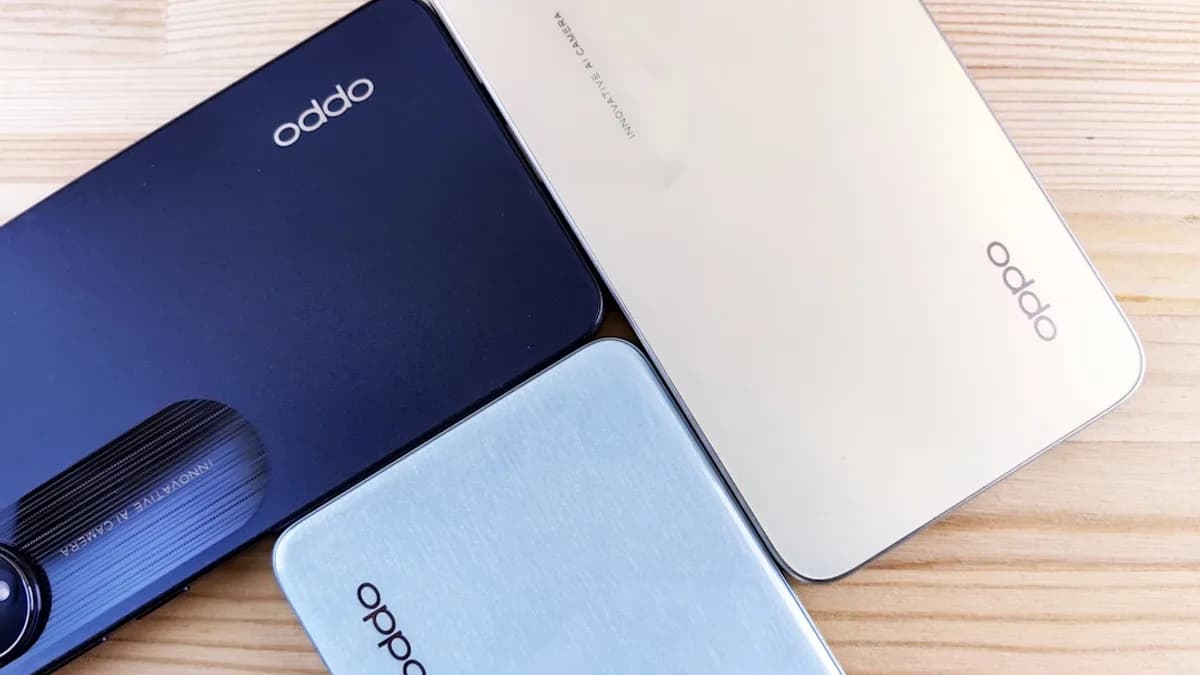
The Find X9 series also leans into design, with ceramic and vegan leather finishes, IP68 ratings, and slim bezels. In a market where aesthetics matter as much as specs, Oppo’s attention to detail could sway buyers who see phones as status symbols. The combination of hardware, software, and design is calibrated for Indian tastes, not just borrowed from global trends.
Pricing and Launch Date Leak: What the May 15 India Debut Means for Oppo’s Market Strategy
Leaks suggest the Find X9 Ultra will launch around ₹99,999 ($1,200), while the X9s will start at ₹59,999 ($720)—numbers that put Oppo squarely against the iPhone 15, Galaxy S24 Ultra, and OnePlus 12. That’s a bold move. Most Chinese brands hesitate to cross the ₹80,000 threshold, fearing consumer pushback. Oppo’s pricing signals confidence: it’s betting buyers will pay a premium for hardware that matches or outpaces Samsung and Apple.
The May 15 launch isn’t arbitrary. It lands just after Apple’s fiscal Q2 results, when iPhone sales often spike, and ahead of Samsung’s mid-year refresh. Oppo wants to preempt rivals and ride the wave of summer spending, when Indian buyers traditionally upgrade. Timing is critical: missing the window risks losing momentum to entrenched brands.
Price positioning is strategic. The Find X9 Ultra isn’t priced to undercut, but to compete head-on. Oppo is counting on specs and camera performance to justify the tag. The X9s fills the gap for buyers who want flagship features without breaking ₹60,000. This two-pronged approach mirrors OnePlus’s strategy, but with more differentiation between models.
Compared to rivals, the Find X9 Ultra is cheaper than the S24 Ultra (₹1,09,999) and iPhone 15 Pro (₹1,34,900), but pricier than the OnePlus 12 (₹64,999). Oppo’s challenge will be convincing buyers that its brand carries the same weight—and that its value proposition is more than just a spec sheet.
Numbers That Matter: Market Data and Sales Projections for Oppo’s Find X9 Series in India
Oppo holds about 10% market share in India, trailing Xiaomi, Samsung, and Vivo. Its premium segment presence is modest—last year, only 4% of Oppo’s Indian sales were above ₹40,000. But the premium market is where the money is: while only 7% of Indian smartphones sold are in the ₹50,000+ bracket, they account for 25% of total value.
Industry analysts estimate Oppo could move 100,000 units of the Find X9 Ultra in the first quarter post-launch—a significant jump from the Find X5 Pro’s 30,000 units in 2022. If the X9s hits 300,000 units by year-end, Oppo could claw 2% market share from Samsung and OnePlus in the premium category, worth nearly ₹500 crore ($60 million) in incremental revenue.
Smartphone sales in India are projected to grow 6% in 2024, but premium segment growth outpaces the rest. Counterpoint Research shows the premium market expanded 59% year-on-year, driven by aspirational buyers and EMI offers. Oppo’s Find X9 launch is timed to capitalize on these trends, targeting a segment where buyers are less price-sensitive and more brand-conscious.
Past launches have shown mixed results: OnePlus’ entry into premium space in 2020 saw a spike, but growth plateaued as Samsung and Apple responded with aggressive trade-in and financing offers. Oppo’s challenge isn’t just selling units—it’s sustaining momentum and building a brand that commands loyalty, not just curiosity.
Diverse Stakeholder Perspectives on Oppo’s Find X9 India Launch: Consumers, Competitors, and Analysts Weigh In
Consumers have already started weighing in, spurred by Oppo India’s social media teasers. Early reactions center on camera performance, battery life, and design—areas where buyers feel Samsung and Apple have stagnated. Influencers and tech reviewers are primed for hands-on tests, with anticipation higher than for previous Oppo launches. The mix of ceramic finishes and 1-inch sensor technology has generated buzz among photography enthusiasts, who see the Find X9 Ultra as a credible alternative to the S24 Ultra.
Competitors aren’t standing still. OnePlus, now under the same BBK umbrella, has quietly shifted focus to the OnePlus 12, dropping prices and bundling accessories. Samsung launched cashback offers on the S24 Ultra, and Apple is pushing trade-in deals for the iPhone 15 Pro. Each brand is bracing for Oppo’s entry, expecting a fight for the “aspirational” buyer, not just the price-conscious segment.
Analysts are split. Some see Oppo’s pricing as risky, arguing the brand hasn’t yet built enough premium cachet to command ₹1 lakh for a phone. Others point to Oppo’s success in China, where high-end models outsell mid-range rivals, and suggest India’s market is ripe for disruption. The consensus: if Oppo’s camera tech delivers and after-sales service improves, it could force rivals to rethink their own flagship strategies.
Tracing Oppo’s Evolution: How the Find X9 Series Builds on Past Flagship Launches in India
Oppo’s flagship history in India is checkered. The Find X2 Pro launched in 2020 to strong reviews but weak sales—hampered by high price, limited availability, and lack of brand recognition. The Find X3 and X5 series never officially landed, leaving Oppo’s premium ambitions largely theoretical. Instead, the Reno and F series drove volume, but failed to dent the flagship category.
The Find X9 series marks a pivot. By investing in top-tier hardware and global launches, Oppo is signaling a shift from volume to value. The Find X9 Ultra’s specs and pricing are closer to Samsung’s and Apple’s flagships than any previous Oppo device. The company has learned from past mistakes: wider retail distribution, improved after-sales support, and aggressive marketing are all baked into the launch strategy.
Innovation is the differentiator. While past models played catch-up, the Find X9 series brings new camera sensors, AI-driven software, and premium materials. Early market reception in China has been strong—the Find X9 Ultra sold out its first batch in hours. If India follows suit, Oppo could finally crack the premium segment, putting past missteps behind.
Lessons from OnePlus are instructive: its shift from “flagship killer” to premium player relied on sustained innovation and brand building, not just specs. Oppo appears to be following that playbook, but with more firepower—both in R&D and marketing spend. The Find X9 launch is Oppo’s chance to rewrite its India story.
What Oppo’s Find X9 Launch Signals for Indian Consumers and the Smartphone Industry’s Future
The Find X9 series isn’t just a new set of phones—it’s a challenge to the industry’s status quo. If Oppo succeeds, Indian consumers will have more real options in the premium segment, forcing rivals to up their game on features, design, and pricing. Expect a faster cycle of innovation: with Oppo’s 1-inch sensor and AI-driven imaging, Samsung and Apple will have to respond, or risk losing aspirational buyers.
Pricing pressure is coming. If the Find X9 Ultra gains traction at ₹99,999, expect OnePlus and Samsung to drop prices or add value. Trade-in offers, bundled accessories, and financing deals will accelerate. Consumers benefit: more choice, better features, and less brand lock-in.
Looking ahead, Oppo’s role in shaping India’s premium smartphone segment depends on execution. If after-sales support and retail experience match the hardware, Oppo could grab 2-3% share in the flagship category within a year—a meaningful shift in a market where brand loyalty is hard won and easily lost. The ripple effect will extend beyond India, as Oppo tests its global strategy in the world’s most competitive smartphone battleground.
Prediction: By mid-2025, if the Find X9 Ultra and X9s sustain momentum, Oppo will force a rethink among rivals, leading to faster innovation cycles and more aggressive pricing. Indian buyers, for the first time, may see true parity between Chinese and global flagship brands—not just in specs, but in status and service. The real winners? Consumers ready to demand more from every rupee spent.
The Stakes
- Oppo’s Find X9 series aims to disrupt the $800+ premium segment dominated by Apple and Samsung in India.
- India's premium smartphone market grew 59% year-on-year, signaling rising consumer demand for high-end devices.
- If Oppo succeeds, it could reset the competitive landscape and influence premium launches in other emerging markets.