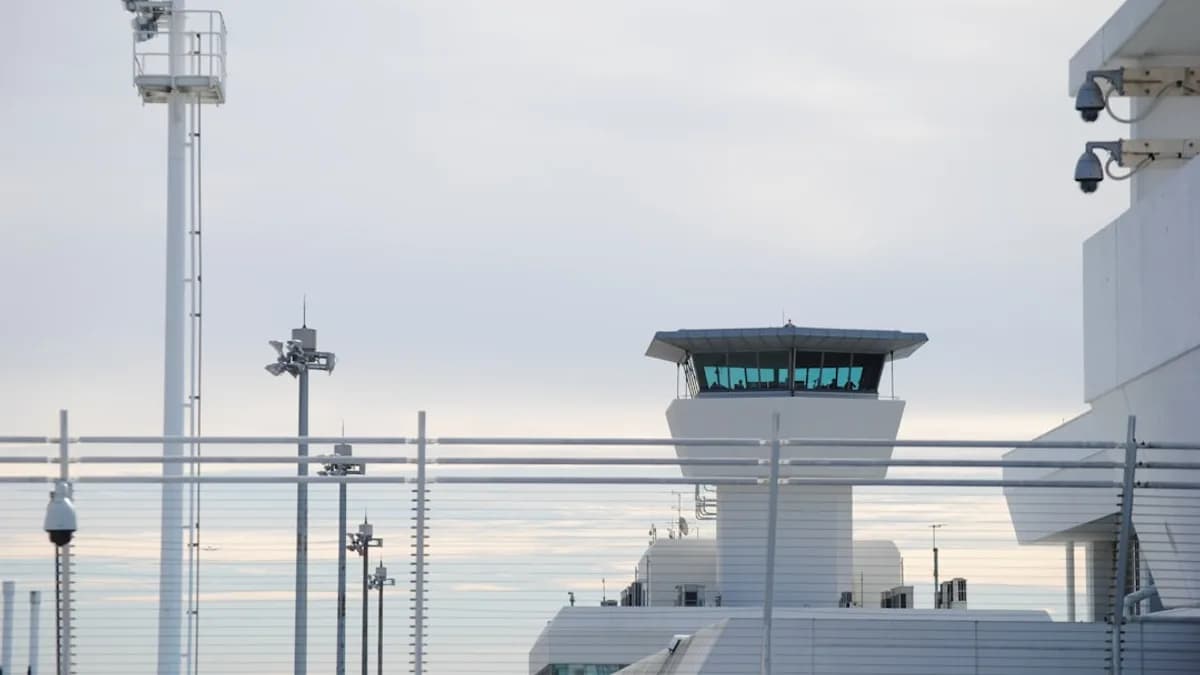
Introduction: Modernizing U.S. Air Traffic Control with a $12.5 Billion Investment
The U.S. just put down $12.5 billion to modernize air traffic control, pulling it out of the 1990s and into today’s world [Source: Google News]. For years, air traffic controllers have been stuck using old computers, radar screens, and paper strips to track planes. That means delays, wasted fuel, and more mistakes. This new money is a big step to fix those problems.
The goal is clear: upgrade the tools that keep planes safe and moving on time. This isn’t just about swapping out old gear. It’s about building a smarter system that can handle more flights, use new tech, and make air travel safer. The $12.5 billion is a “down payment”—a start, not the finish line. The U.S. wants to catch up with countries like Canada and the U.K., where air traffic systems already use digital tools and smarter software. But even with this big investment, there’s still a long road ahead.
Key Upgrades: Bringing Air Traffic Control into the 21st Century
The new funding will pay for better computers, upgraded radar, and faster networks in control towers across the country [Source: Google News]. Old systems depend on voice calls and paper logs. Now, the plan is to use digital screens, real-time flight tracking, and software that can see patterns humans might miss.
A big part of the upgrade is AI-enabled predictive air traffic management. The FAA is quietly building systems that can use artificial intelligence to predict where planes might run into trouble—like bad weather or crowded skies—and help controllers reroute traffic before problems happen [Source: The Air Current]. This is like having a “smart assistant” that looks ahead, instead of just reacting.
These upgrades should make flying safer and faster. With better tools, controllers can spot issues sooner and clear up bottlenecks. The new tech will help them fit more planes into busy airports without risking safety. For example, AI could warn about storms, suggest faster routes, or flag risky situations that humans might miss. This means fewer delays, less fuel burned, and fewer accidents. And it’s not just about big hubs—smaller airports will also see improvements.
Compared to the old system, this is a huge leap. The U.S. airspace is one of the busiest in the world, and the upgrades will help it keep up with growing demand. The hope is that these changes will make the skies safer and help airlines run on time, especially during busy seasons or weather events.
Transportation Secretary Sean Duffy’s Vision and Reassurances on AI Integration
Transportation Secretary Sean Duffy knows people are nervous about AI replacing human air traffic controllers. He says, “That’s not gonna happen” [Source: CBS News]. Duffy stresses that AI is meant to help, not replace, the skilled people who guide planes. The goal is to give controllers smarter tools—a safety net, not a substitute.
Duffy’s vision is about teamwork. He believes human judgment is key, especially in emergencies. AI can crunch numbers and spot trends, but only humans can make tough calls in the heat of the moment. Duffy wants to build a system where controllers can trust AI to handle routine work and flag problems, but keep control when things go wrong.
He’s also thinking big. The modernization plan is about more than fancy tech. It’s about creating a safer, more reliable airspace for everyone. Duffy wants the U.S. to set a new standard, showing that smart investments and careful planning can make air travel better without losing the human touch.
Financial Challenges Ahead: The Need for Additional Funding Beyond the Initial Investment
The $12.5 billion is only a “down payment.” Experts say it’s not enough to finish the job [Source: Google News]. The biggest costs are still ahead. Developing new software, training staff, and integrating AI into old systems will take years and billions more.
Software updates are expensive. The FAA needs to build programs that can talk to thousands of airports, airlines, and controllers. Getting AI to work smoothly is even tougher. It needs to be tested, trusted, and kept secure from hackers. All this means more money will be needed—possibly double or triple the initial amount.
Budget hurdles are real. Congress will have to approve more funds, and there’s always competition from other projects. Some worry that spending could slow down, leaving upgrades half-finished. The industry is calling for steady support, warning that stopping now would waste the progress already made.
If funding dries up, the U.S. risks falling behind again. Other countries are moving fast with new tech. To keep up, America needs to commit to finishing what it started—no shortcuts.
Industry Implications: Impact on Airlines and Air Traffic Management
These upgrades will change how airlines operate. For carriers like Spirit Airlines, smoother air traffic means more on-time flights and fewer cancellations. But there’s also risk. Secretary Duffy said saving struggling airlines might be “throwing good money after bad” [Source: Reuters]. He’s warning that bailouts don’t always fix deep problems, and that money might be better spent on smarter infrastructure.
For the wider industry, modern air traffic systems mean better scheduling and fewer delays. Airlines can plan routes more precisely, cut fuel use, and pack more flights into the same airspace. This helps passengers, who get home faster and avoid missed connections. It also helps airports, which can handle more traffic without building new runways.
But the shift won’t be easy. Airlines will have to update their systems to work with new FAA tech. Pilots and staff will need training. And there could be hiccups as old and new systems run side-by-side. Still, most airlines see the upgrades as a win, especially as demand for flights grows.
Future Outlook: What to Expect from AI and Advanced Software in Air Traffic Control
AI-enabled systems could change air traffic for good. Imagine software that predicts storms, finds open routes, and spots safety risks before they happen. This could make flights smoother, faster, and safer. For example, AI might help reroute dozens of planes in seconds, saving hours of delay and cutting costs for airlines.
But there are challenges. Integrating AI with old hardware isn’t simple. The FAA has to make sure new tools don’t crash or confuse controllers. There’s also a need to train staff so they know when to trust AI and when to rely on their own judgment. Human operators must stay in charge, especially when things get tense.
The long-term vision is a smarter, more resilient air traffic system. It will use real-time data, learn from past mistakes, and adapt to new threats. This could mean fewer accidents, less wasted time, and a system that bounces back from problems faster. If done right, America’s airspace could be safer and more efficient than ever.
Conclusion: The Path Forward for U.S. Air Traffic Control Modernization
The $12.5 billion investment marks real progress. It’s a strong start toward fixing decades-old problems in air traffic control [Source: Google News]. But there’s still much to do. The U.S. must keep funding upgrades, training staff, and building trust in new technology.
Balancing tech with human expertise will be key. Controllers should have smarter tools, but the final call must always be theirs. As AI and new software roll out, the focus should stay on safety, reliability, and teamwork.
Looking ahead, the payoff could be huge: safer skies, fewer delays, and a system that handles more planes with less hassle. The journey is just starting, and steady investment will be needed to finish the job. For travelers, airlines, and controllers, the future of U.S. air traffic looks brighter—if the country keeps pushing forward.
Why It Matters
- Modernizing air traffic control reduces flight delays and improves safety.
- Upgrading to AI and digital tools positions the U.S. to handle more flights efficiently.
- This investment is just the start—continued funding is needed for full modernization.