Introduction to Allergy Medications: Understanding What Works
Allergy symptoms can turn a good day upside down. Sneezing, itchy eyes, runny nose, and headaches can make it hard to work, sleep, or enjoy time outside. Millions of people deal with allergies every year. Some only feel bad in spring or fall, while others suffer year-round.
Doctors say picking the right allergy medicine matters. It’s not just about feeling better — it’s about getting back to normal life. The choices can be confusing, though. There are pills, sprays, drops, and even shots. We asked doctors which allergy medications actually work and why. Their answers help clear up what to use, when to use it, and how to get the best results [Source: Google News].
Types of Allergy Medications: How They Work and When to Use Them
There are four main types of allergy medications. Each one fights symptoms in a different way.
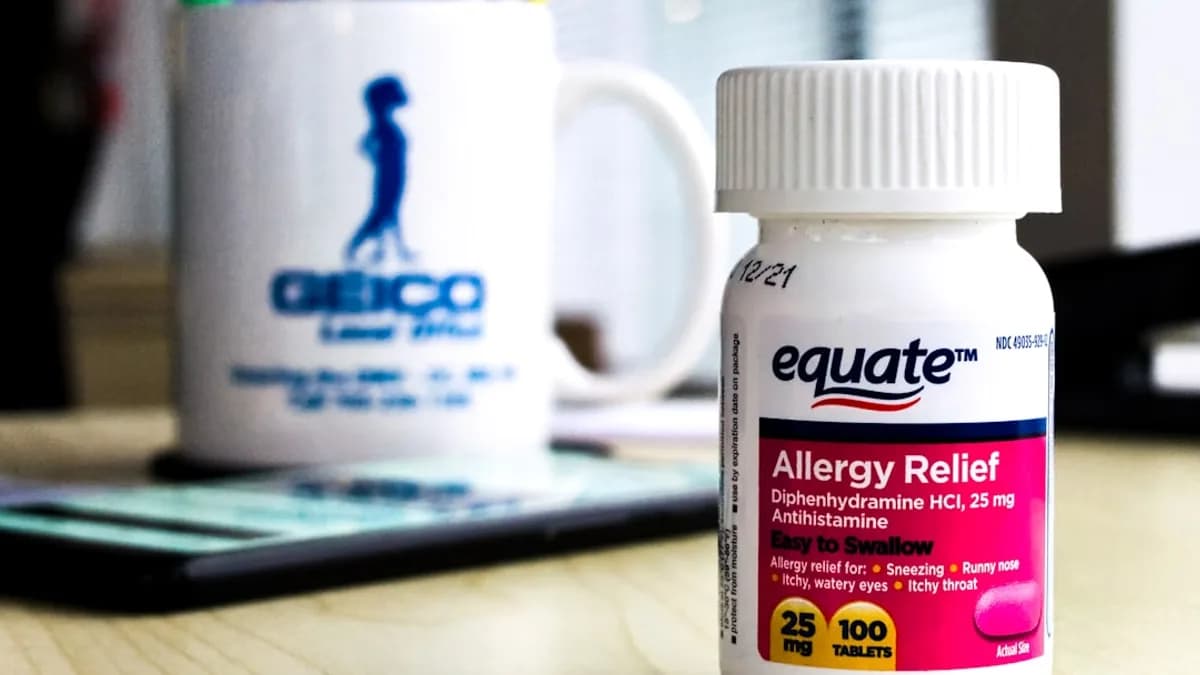
Antihistamines are the most common. They block histamine, which is a chemical your body makes when it reacts to pollen, dust, or pet dander. Histamine causes sneezing, itching, and watery eyes. Antihistamines come as pills, liquids, and sometimes sprays or drops. They work best for mild to moderate allergies. Some antihistamines, like loratadine (Claritin), cetirizine (Zyrtec), and fexofenadine (Allegra), do not make you feel sleepy. Older ones, like diphenhydramine (Benadryl), can cause drowsiness.
Decongestants help clear stuffy noses. They shrink swollen blood vessels in your nose, making it easier to breathe. You can buy decongestants like pseudoephedrine (Sudafed) as pills or sprays. Doctors warn you should use nasal sprays for only a few days. Longer use can make congestion worse. Decongestants can raise blood pressure, so people with heart problems should be careful.
Corticosteroids are strong medicines. They treat swelling and inflammation. Nasal steroid sprays, such as fluticasone (Flonase) and mometasone (Nasonex), are good for people with bad allergies. They work on stuffy noses and sneezing. These sprays take a few days to work, but they’re safe for long-term use. Steroid pills are only used for short periods and severe cases.
Leukotriene receptor antagonists block another chemical called leukotriene, which also causes allergy symptoms. Montelukast (Singulair) is the main medicine in this group. Doctors use it for allergies and asthma. It’s less popular than antihistamines and steroids, but can help when other medicines don’t work.
Most allergy pills and sprays should be used every day during allergy season or when symptoms start. Some work right away, others need a few days to kick in. Always follow the directions on the package or from your doctor.
Doctors’ Top Recommended Allergy Medications: Insights from Medical Experts
Doctors agree that newer antihistamines are the best starting point for most people. They like loratadine (Claritin), cetirizine (Zyrtec), and fexofenadine (Allegra). These drugs work fast, last all day, and do not make you feel tired. Generic versions are just as good as brand names and cost less [Source: Google News].
For stuffy noses, doctors suggest nasal steroid sprays like Flonase, Nasacort, and Rhinocort. These sprays treat swelling right where it happens. People with bad allergies often use a spray and a pill together. Doctors say nasal steroids are safe for long-term use, but you need to use them every day for best results.
Eye allergies can cause redness and itching. Doctors recommend antihistamine eye drops like ketotifen (Zaditor) or olopatadine (Pataday). These drops work quickly and target eye symptoms. They’re sold over the counter and are easy to use.
Some doctors use montelukast (Singulair) for kids with allergies and asthma. But they warn it can cause mood changes, so it’s not the first choice.
Doctors say older antihistamines like Benadryl help in emergencies, but they can make you sleepy. People should not use them every day, especially if they drive or work with machines.
For very bad allergies, doctors may suggest allergy shots. These help your body get used to allergens over time. Shots are for people who do not get relief from pills and sprays.
Doctors want people to know that no single medicine works for everyone. Some need to try different drugs or combinations to find what works best. They also stress the importance of following instructions. Using too much medicine, or using it wrong, can cause new problems.
Comparing Over-the-Counter and Prescription Allergy Treatments
Most allergy medicines are sold over the counter. These include antihistamines, some nasal sprays, and eye drops. They work well for mild to moderate symptoms. You can buy them at any drugstore.
Prescription allergy medicines are stronger. Doctors use them for severe symptoms, or when over-the-counter drugs don’t help. Prescription nasal sprays, like mometasone (Nasonex), are more powerful than over-the-counter ones. Some prescription antihistamines, like desloratadine (Clarinex), last longer or work better for certain people.
Doctors say you should start with over-the-counter drugs. If you still feel bad after a week or two, or your symptoms are very strong, talk to your doctor. Sometimes allergies get worse, or you need a new medicine.
All allergy drugs can cause side effects. Antihistamines can make you sleepy. Decongestants can raise blood pressure or cause jitters. Nasal sprays can cause nosebleeds if used too much. Doctors advise people to watch for side effects and stop using any medicine that causes problems.
Expert Tips for Maximizing Allergy Medication Effectiveness
Doctors say timing is everything. Start allergy medicine a week before symptoms usually begin. For example, if your allergies kick in at the start of spring, start your medicine in late winter. This helps your body get ready and keeps symptoms from getting bad.
Some medicines work better if you take them at the same time every day. Nasal sprays should be used once or twice daily, as directed. Eye drops can be used when symptoms flare up.
Doctors also suggest making changes at home. Keep windows closed during high pollen days. Use air filters. Wash your bedding often. Shower after spending time outside. These steps help cut down on allergens and make medicine work better.
If your allergies don’t get better after a few weeks of medicine, or you have trouble breathing, see a doctor. You might need a stronger drug, allergy shots, or more tests.
Conclusion: Making Informed Choices About Allergy Relief
Doctors say newer antihistamines and nasal steroid sprays are the best first choices for most allergy sufferers. Generic pills and sprays work just as well as brand names. Eye drops help with itchy eyes. If symptoms are strong, or don’t get better, talk to your doctor about prescription options or allergy shots.
The best allergy plan is personal. Not every medicine works for every person. Try different options and make changes at home to help your medicine work better. Keep track of your symptoms and side effects. Ask your doctor for help if you need it.
Looking ahead, drug makers are working on new allergy medicines that may help more people with fewer side effects. For now, using the right medicine at the right time, plus simple home steps, gives most people the relief they need to enjoy life again.
Why It Matters
- Choosing the right allergy medication can improve daily comfort and productivity.
- Understanding side effects and proper use prevents health risks and misuse.
- Doctors' guidance helps consumers navigate confusing over-the-counter options.