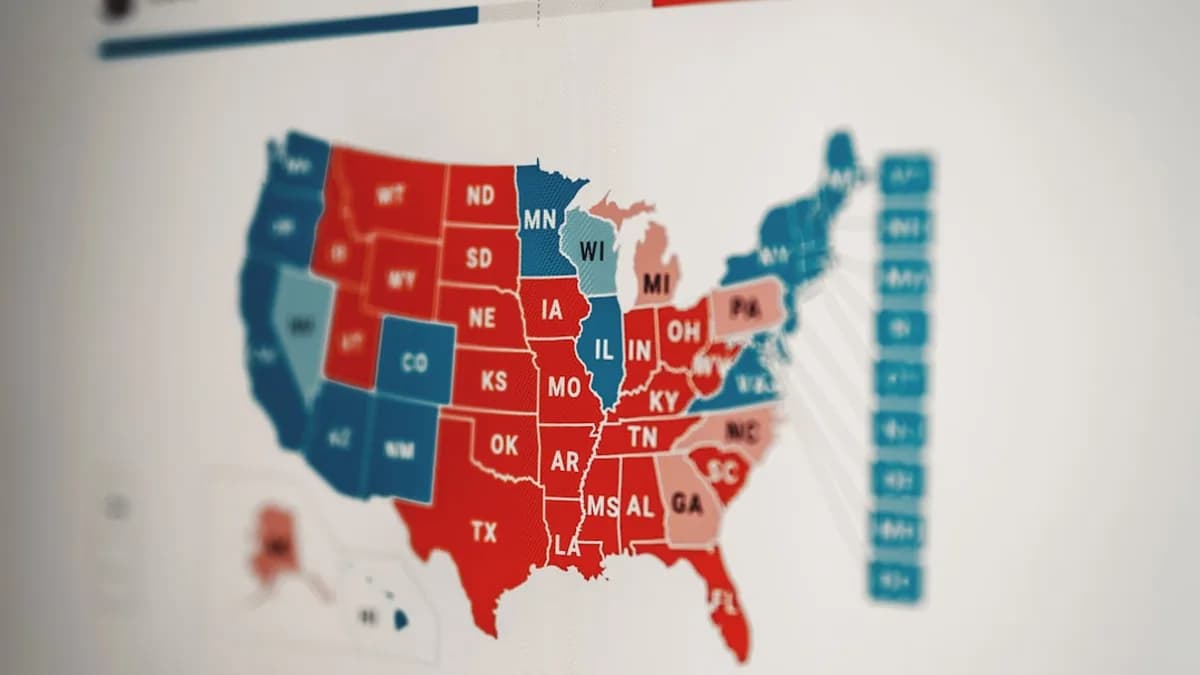
Introduction: How Trump's Redistricting Strategy Backfired for Republicans
Democrats won big in Virginia’s latest redistricting election. This is a sharp turn from what former President Donald Trump wanted. He pushed hard for redistricting plans to help Republicans win more seats. But instead of boosting the GOP, his approach has left them worse off and facing more trouble in future races [Source: Google News].
Trump’s redistricting war was meant to redraw lines so Republicans could control more districts. It seemed smart at first, but the results show it backfired. Democrats gained power, and the GOP is now struggling to explain what went wrong. This article looks at how Trump’s tactics hurt Republicans and what they need to do next.
The Political Fallout: Why Republicans Are Losing Ground After Redistricting Battles
The Virginia election results shocked many. Democrats grabbed key seats in newly drawn districts, which should have favored Republicans if their plan worked [Source: Google News]. Instead, the GOP lost ground in places that were supposed to be safe. This is not just a Virginia story — it’s a warning sign for Republicans across the country.
One reason is bad planning. GOP leaders hoped redistricting would lock in their advantage, but they missed how voters react to obvious manipulation. When people see maps sliced up to favor one party, they get angry or just stay home. That anger helped Democrats win in districts that would have been harder to take before.
Internal fights made it worse. Republican lawmakers argued over how to draw the maps and which groups to help. Some wanted to protect their own seats, others wanted a broader win. These splits made the party look weak and confused. Voters noticed, and that hurt turnout for Republicans.
Public trust also dropped. Many saw the GOP’s effort as unfair and sneaky. When voters think politicians are playing games with their votes, they push back. Democrats used this feeling in their campaigns, promising fairer maps and more honest elections. Their message worked, and it helped them win.
This fallout shows that redistricting isn’t just about lines on a map. It’s about how people feel about their leaders. If voters think the system is rigged, they don’t reward the party doing the rigging. Republicans learned that lesson the hard way in Virginia.
Trump’s Role: Conspiracy Theories and Strategic Missteps in the Redistricting War
Trump didn’t just push for redistricting. He also spread wild conspiracy theories about the Virginia races. He claimed Democrats were cheating, even before results were official [Source: Google News]. These stories made some Republicans doubt their own chances and turned off others who wanted real answers.
This hurt the GOP’s credibility. When leaders keep blaming losses on fake stories, voters stop listening. It also makes it harder for Republican candidates to talk about real issues. Instead of focusing on jobs, safety, or schools, they get stuck defending Trump’s claims.
Trump’s influence means GOP leaders often follow his lead in messaging. This worked well during his run for president, but now it’s causing trouble. His focus on redistricting and conspiracies distracts from normal campaigning. Many voters just want clear plans and honest talk. When they don’t get it, they vote for someone else.
His missteps changed how Republicans approach elections. Instead of building strong coalitions, they chase after short-term wins by drawing maps in their favor. But this strategy is risky. If it fails, it leaves them weaker and less trusted. Virginia’s results show that the old Trump playbook doesn’t work as well anymore.
The Broader Implications: What This Means for the 2024 Midterm Elections
The Virginia outcome is more than a local story. It could shape the whole country’s elections in 2024. Democrats proved they can win in districts once thought safe for Republicans. If this trend spreads, the GOP could lose more seats in Congress [Source: Google News].
Other states are watching closely. If voters see unfair maps or hear endless conspiracy talk, they may react the same way Virginia did. Republicans risk losing not just seats but also the trust of key groups, like suburban voters and independents. These groups often decide tight races.
Democratic gains in Virginia send a warning. The party is getting better at using redistricting rules to help their candidates, but they’re also winning by promising fairness. That message is powerful. If Republicans don’t change their tactics, they could face more defeats.
For the GOP, this means it’s time to rethink. The old ways — drawing tricky maps and blaming losses on conspiracies — aren’t working well. To win in 2024, Republicans need new strategies. They must focus on issues people care about and show they want honest elections. If not, they could lose more than just Virginia.
Opinion Analysis: Why Republicans Must Rethink Their Redistricting Approach
Gerrymandering — drawing maps to help one party — has been around for decades. Both parties have used it. But Republicans, led by Trump, took it to extremes. This made people angry and hurt the GOP’s image.
Aggressive redistricting is a risky bet. It might give a quick win, but it can also backfire. When voters see maps that look unfair, they lose faith in the system. They want their vote to matter, not just help one party. Virginia’s results show that angry voters can flip districts, even when maps are drawn to block them.
Transparency matters. Secret deals and backroom map-making turn off voters. If Republicans want to win back trust, they need to open up the process. Show how maps are made, listen to community voices, and make sure districts are fair. Some states now use independent commissions to draw maps. This helps voters feel like their votes count.
Fairness is not just the right thing to do — it’s smart politics. When voters trust the system, turnout rises. People feel good about their leaders. That can swing close races, especially in places where one party has only a small edge. If Republicans keep playing games, they risk losing more seats, not just in Virginia but nationwide.
The GOP should shift focus. Instead of spending time and money on gerrymandering, they could invest in policy and outreach. Talk about issues like jobs, schools, and safety. Reach out to new groups, like young voters and immigrants. Build coalitions, not just boundaries. This would make the party stronger and more united.
Trump’s style — loud claims and tricky tactics — doesn’t work for everyone. Some voters liked it for a while, but now many want calm, steady leadership. If Republicans want to win big, they must leave behind divisive strategies and try new paths. Fair maps, honest talk, and strong policies are the way forward.
Conclusion: Learning from the Redistricting Defeat to Strengthen Republican Prospects
Trump’s redistricting war in Virginia weakened Republicans and gave Democrats a boost [Source: Google News]. The old tricks didn’t work, and the GOP is facing tough questions. To win again, the party must adapt, unify, and rebuild trust with voters.
If Republicans learn from this defeat, they can bounce back. Fair redistricting, clear policies, and honest messaging will help them compete in future elections. The next big test is 2024. The GOP has a chance to make changes now, so they don’t repeat Virginia’s mistakes. The future belongs to parties that listen, adapt, and play fair.
Why It Matters
- Republican-led redistricting efforts backfired, leading to unexpected Democratic victories in key races.
- The outcome signals that voters are increasingly resistant to obvious gerrymandering and political manipulation.
- Internal conflicts and loss of public trust have left the GOP weaker and may affect future elections nationwide.