Elon Musk’s Admission on Tesla’s Full Self-Driving Reality
Millions of Tesla owners will need hardware upgrades before their cars can drive themselves, Elon Musk admitted this week [Source: TechCrunch]. After years of telling people that “Full Self-Driving” (FSD) was just a software update away, Tesla’s CEO has finally said that older models don’t have the right cameras or chips. This news matters because Tesla built its brand on bold promises about FSD, claiming its cars would soon handle highways, city streets, and parking lots by themselves. Now, Musk’s statement changes the story. It shines a light on what customers were really sold—and what they actually got. This moment isn’t just about technology; it’s about trust, honesty, and what the future holds for self-driving cars.
The Gap Between Tesla’s Promises and the Current FSD Reality
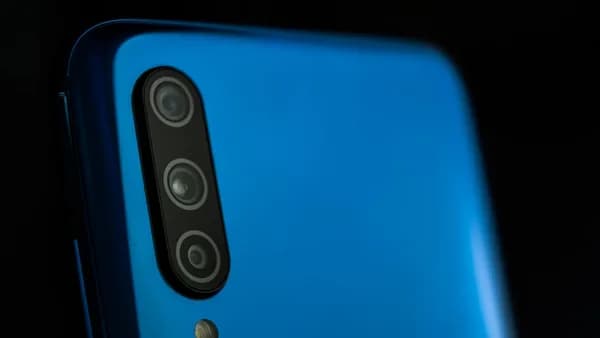
For years, Tesla told buyers that their cars could one day drive themselves with just a software update. The company’s website and sales reps said FSD was “coming soon.” Many owners paid thousands of dollars extra for the FSD “package” on this promise. Some even bought Teslas believing they’d never have to drive again. But Musk’s recent admission shows that software alone isn’t enough. Many cars need new cameras, sensors, and computer chips to actually reach FSD.
This gap between the promise and reality is bigger than most people thought. Tesla’s marketing made FSD sound easy, but hardware changes are costly and complex. Owners who trusted the company feel let down. They might wonder: If Tesla can’t deliver FSD without new parts, was the original pitch honest? Brand credibility is at stake. Tesla built its reputation on daring to push boundaries, but now it risks losing the trust of loyal customers.
This isn’t the first time a tech company has over-promised. Remember Google Glass? It promised a new way to see the world, but most people never wore it. Or the hype around Apple’s “AirPower” wireless charger, which was scrapped after years of teasing. When companies don’t deliver what they say, people start doubting future claims. For Tesla, that means some buyers may hesitate before paying extra for FSD—or even buying a Tesla at all.
Legal and Ethical Implications of Tesla’s FSD Upgrade Admission
Tesla’s admission could open the door to legal trouble. Customers paid for FSD based on the idea that their cars would soon drive themselves. Now, they’re learning that they need expensive hardware upgrades. Some may feel they were misled and could sue for compensation [Source: TechCrunch]. Regulators might also step in. The Federal Trade Commission (FTC) has rules against false advertising. If Tesla’s marketing was too optimistic or misleading, it could face penalties.
Ethically, Tesla has a duty to be clear about what FSD really needs. When people spend $10,000 or more for a feature, they deserve honest information. Tesla should have told buyers from the start that hardware might need to change. Instead, it pushed the idea that software was all it would take. This isn’t just about legal risk. It’s about doing the right thing. Tech companies are trusted to help—not trick—their customers.
This case also matters for the whole self-driving industry. If Tesla’s FSD claims face legal action, other carmakers might rethink their own marketing. GM, Ford, and Waymo have been careful to say their systems aren’t “fully autonomous” yet. The FSD story could set a new standard for how companies talk about advanced driver-assistance features.
Consumer protection is a big deal here. Self-driving tech is complex, and most buyers aren’t engineers. They rely on clear, honest info. If companies aren’t upfront, people might pay for features that don’t work. That’s not fair. It could slow down the adoption of autonomous cars if trust breaks. For Tesla and its rivals, being transparent is the smart—and safe—choice.
The Financial and Practical Burden on Tesla Owners
For Tesla owners, needing a hardware upgrade means spending more money and time. Many bought their cars thinking a software update would make their car self-driving. Now, they face the cost of new cameras, sensors, or computer chips. These upgrades aren’t cheap. Depending on the model, the price could run into thousands of dollars. That’s a big hit, especially for those who already paid for FSD.
Getting these upgrades isn’t easy. Owners might have to book service appointments, wait for parts, and leave their car at a Tesla shop. Some could live far from a service center, making the process even harder. This extra hassle lowers customer satisfaction. It could also hurt Tesla’s resale value. Buyers might avoid older cars that need upgrades, pushing down prices.
There’s also a divide between early adopters and newer buyers. People who bought Teslas years ago now need to pay again to get what they thought was coming. Meanwhile, new buyers might get the right hardware already installed. This feels unfair. It makes some long-time fans feel left out or even tricked. Tesla has to decide: will it cover the upgrade costs or leave owners to foot the bill?
What This Means for the Future of Tesla’s Autonomous Driving Vision
This admission could change how people see Tesla’s “self-driving” dream. For years, Musk painted a picture of cars that would pick you up, drop you off, and park themselves. Now, it’s clear that getting there is harder—and costlier—than promised. Tesla’s roadmap will need to adjust. The company must figure out how to get millions of cars upgraded while keeping customers happy.
Public faith in FSD technology might drop. When the leader in self-driving cars says hardware upgrades are needed, it signals that the tech still isn’t ready. Other automakers may slow down their own plans or set clearer expectations. The industry could shift toward more cautious claims, focusing on driver-assist features instead of full autonomy.
Tesla faces tough challenges. Upgrading cars means new logistics, more service centers, and big costs. It also risks legal and regulatory trouble if owners or watchdogs push back. But there’s still a chance for Tesla to lead—if it’s open, honest, and puts customers first.
This moment could push industry standards higher. Regulators might demand clearer labels, better explanations, and more proof before companies sell advanced tech. Consumers will expect more details and less hype. That’s good for everyone. It protects buyers and encourages safer, smarter innovation.
Reassessing Tesla’s FSD Promises and the Path Forward
Tesla’s gap between what it promised and what it delivered on FSD is big. Owners are frustrated, facing new costs and waiting for features they thought were already theirs. Trust is shaken. But Tesla can still make things right. It should offer clear info about hardware needs, help owners with upgrades, and avoid overselling new tech. If it does, the company can rebuild faith and lead the industry toward honest, safe self-driving cars.
Readers should remember: in tech, bold claims often hide tough truths. Before spending big, ask hard questions and read the fine print. As self-driving cars get closer to reality, being a smart, careful shopper matters more than ever. This FSD story is a lesson for every car buyer—and for every tech company hoping to change the world.
Why It Matters
- Millions of Tesla owners may need expensive hardware upgrades to access features they were promised.
- This raises serious questions about transparency and trust in tech company marketing.
- The situation could impact Tesla’s brand reputation and customer loyalty going forward.