Six days before Microsoft’s expected June 16, 2026 Surface launch, a pricing leak has shifted the story from chip upgrades to margin pressure: the next Surface Pro and Surface Laptop 8 may arrive at premium prices before buyers even know which configurations those prices cover.
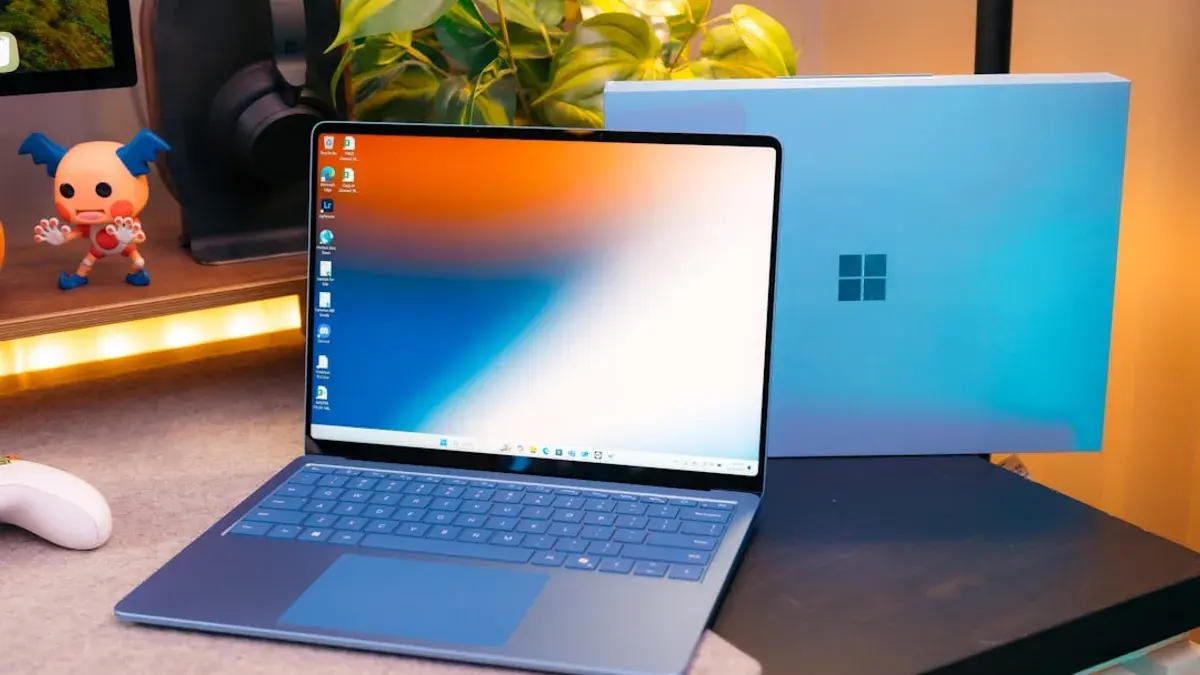
According to Notebookcheck, citing information from Roland Quandt, the next-generation Surface Pro is expected to cost €1,699, matching the rumored price of the 13.8-inch Surface Laptop 8. The 15-inch Surface Laptop 8 is reportedly set at €2,299. That timing matters. A leak this close to launch can harden buyer expectations before Microsoft has had a chance to explain the SKU mix, accessory bundles, or performance claims, as with the AYN Thor price hike and the Yoga Pro 9n leak.
June 10 leak turns Surface’s Snapdragon X2 upgrade into a pricing test
The core hardware shift is clear enough. Notebookcheck says both Surface lines are set to move to Qualcomm Snapdragon X2 Elite, with the Surface Pro reportedly pairing the chip with twelve CPU cores, up to 32 GB RAM, and up to a 1 TB SSD. The Surface Laptop 8 is said to offer similar top-end memory, with SSD storage up to 2 TB.
MLXIO analysis: this makes the leak more than a routine pre-launch price rumor. Microsoft appears to be testing whether a premium Windows on Arm Surface can be sold on performance, battery life, and AI-ready silicon rather than just thin hardware and the Surface brand. That is a higher bar than simply refreshing a laptop.
The risk is in the unknowns. Notebookcheck is explicit that the leaked prices cannot yet be matched to exact configurations.
“As it is not yet known which processor and memory configurations these prices apply to, they cannot be directly compared with last year's models.”
That sentence is the hinge of the story. If €1,699 buys a well-equipped Surface Pro or Laptop 8, the increase may look controlled. If it maps to a lower-end SKU, the launch narrative changes fast.
June 16 launch pressure: the headline prices only tell half the checkout story
The leaked prices sharpen the value question across three devices:
| Rumored device | Reported price | Key reported hardware details |
|---|---|---|
| Surface Pro | €1,699 | Snapdragon X2 Elite, 12 CPU cores, up to 32 GB RAM, up to 1 TB SSD, 120 Hz OLED, two USB-C ports with USB 4 |
| Surface Laptop 8 13.8-inch | €1,699 | Snapdragon X2 Elite, up to 32 GB RAM, up to 2 TB SSD, reportedly LCD, 54 Wh battery, up to 20 hours |
| Surface Laptop 8 15-inch | €2,299 | Similar Snapdragon X2 Elite platform, reportedly LCD, 66 Wh battery, up to 19 hours |
The Surface Pro’s configuration could be especially sensitive because Notebookcheck says Microsoft is offering a keyboard case with space for the Surface Slim Pen 2, which the source lists at $135 on Amazon. The leak does not say whether the keyboard case or pen is included in the quoted price. That matters because the Surface Pro’s real cost depends heavily on what buyers need to add.
The Laptop 8 story is different. It is less about accessories and more about whether buyers see enough value in the Snapdragon X2 Elite, storage ceilings, memory options, and battery claims. Notebookcheck says the base model is expected to use a Snapdragon X2 Plus with only 256 GB SSD storage. If the leaked prices refer to stronger configurations, the story softens. If they sit close to entry-level models, Microsoft will have to justify the premium quickly.
For adjacent Surface context, MLXIO previously covered Microsoft’s broader hardware direction in our Surface Laptop Ultra specs coverage and earlier Surface Pro 12 Snapdragon X2 reporting. Those stories underline why the Surface line is being watched as a signal for Microsoft’s next hardware cycle, not just another Windows laptop refresh.
The price gaps are real, but the comparisons are not clean
Notebookcheck gives enough prior-generation pricing to frame the jump, with caveats.
The earlier 13-inch Microsoft Surface Pro with Snapdragon X, LCD, 16 GB RAM, and 256 GB SSD had a listed price of €1,399. The new Surface Pro’s reported €1,699 price is €300 higher, but the rumored new model may include a different processor, more memory, more storage, and a 120 Hz OLED display. That makes the arithmetic simple but the value comparison messy.
For Surface Laptop, the prior Surface Laptop 7 started at €1,669 and €1,769, depending on screen size. Against those figures, the rumored 13.8-inch Surface Laptop 8 at €1,699 looks only €30 above the previous smaller model’s starting point. The rumored 15-inch Surface Laptop 8 at €2,299 is €530 above the prior larger starting point.
Those gaps suggest two different stories:
- Surface Pro: The rumored price increase may be tied to a more ambitious display and higher-end Snapdragon X2 Elite configuration.
- 13.8-inch Laptop 8: The reported price sits close to the prior smaller Laptop 7 starting price, depending on SKU.
- 15-inch Laptop 8: The reported jump is large enough that configuration details will decide whether it looks premium or simply expensive.
MLXIO analysis: the 15-inch model is the one most exposed to disappointment if the final SKU is not meaningfully upgraded. The source says it uses an LCD rather than OLED, while the Surface Pro reportedly gets 120 Hz OLED. If that split holds, Microsoft will need the larger screen, 66 Wh battery, and storage ceiling to carry more of the value argument.
Surface Pro’s OLED choice and Laptop 8’s battery claims split the story
The reported feature mix is not uniform. The Surface Pro is said to get the flashier display: 120 Hz OLED. It also reportedly includes two USB-C ports with USB 4 support. That reads like Microsoft trying to make the tablet-hybrid feel more premium at the hardware level.
The Surface Laptop 8, by contrast, is said by Notebookcheck to rely on LCD panels in both 13.8-inch and 15-inch sizes. Its stronger claim may be endurance: up to 20 hours from a 54 Wh battery on the smaller model and 19 hours from a 66 Wh battery on the larger one.
That split creates a clean launch question. Is Microsoft selling display quality on the Pro and battery life on the Laptop? If so, the Surface family may be less about one shared value proposition and more about distinct premium arguments for each form factor.
The configuration uncertainty also limits how far investors, buyers, and reviewers should read into the prices today. Regional taxes, exchange-rate effects, and procurement discounts can make euro leaks poor guides for final market-by-market pricing. The source does not provide U.S. pricing, bundle details, or business SKU terms.
The next decision point is Microsoft’s SKU sheet, not the launch video
The immediate watch item is not whether the devices exist. Notebookcheck says the next-generation Surface Laptop 8 and Surface Pro had already appeared in numerous images at the beginning of June, and the launch is expected on June 16, 2026. The more important question is what Microsoft attaches to the leaked numbers.
Three pieces of evidence would support the premium thesis:
- Configurations: The €1,699 and €2,299 prices map to high-memory or higher-storage models, not bare entry SKUs.
- Battery claims: Independent testing gets close to the reported 20-hour and 19-hour figures under realistic use.
- Surface Pro bundle clarity: Microsoft makes clear whether the keyboard case and pen-related accessories are included or separate.
The thesis weakens if the prices apply to modest configurations, if the Laptop 8’s LCD panels feel mismatched with the premium tier, or if the base Snapdragon X2 Plus model with 256 GB SSD lands too close to the headline pricing.
For buyers, the practical move is simple: wait for the full configuration table on June 16. The leaked prices are high enough to matter, but not precise enough to judge. Microsoft’s next Surface launch will be decided less by the word “Snapdragon” and more by the exact combination of chip, RAM, storage, display, battery life, and accessories sitting next to each price.
The Bottom Line
- The leak suggests Microsoft may push Surface pricing higher as it moves deeper into Windows on Arm.
- Buyers still lack key context because the leaked prices are not tied to confirmed configurations.
- The June 16 launch will need to justify premium pricing with performance, battery life, and AI features.