Why Microsoft’s Surface Laptop 8 Pushes the Boundaries of Mobile Computing Power
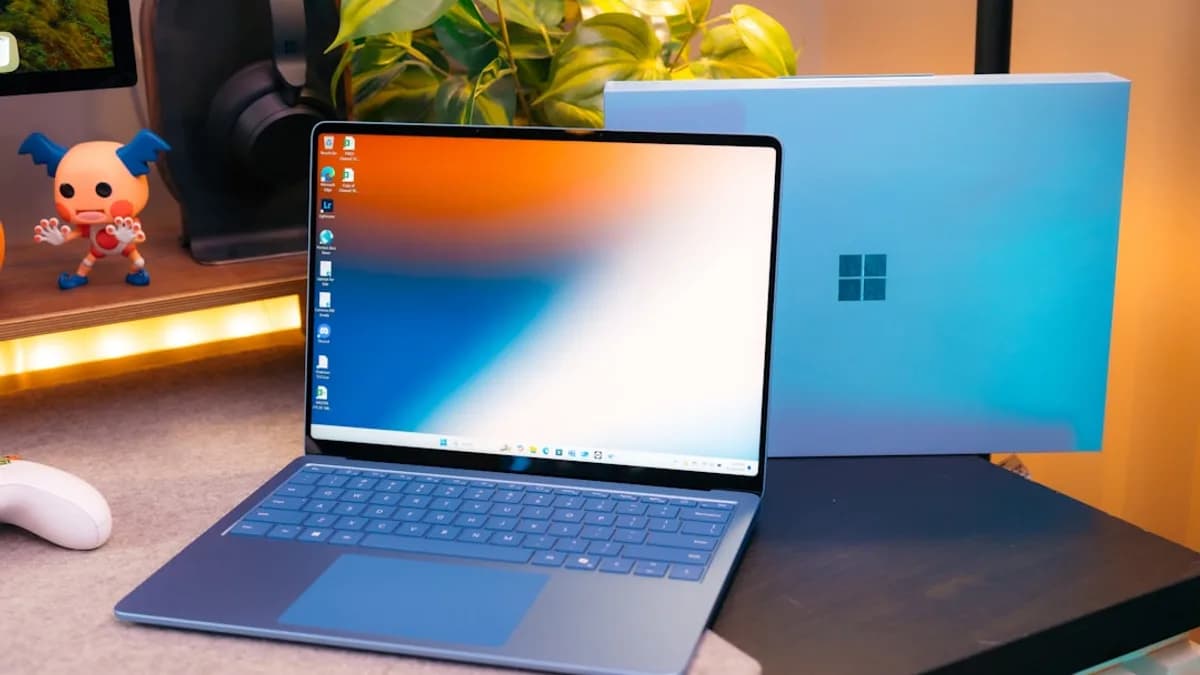
Microsoft’s Surface Laptop 8 is breaking out of the typical laptop formula with configurations boasting up to 64 GB of RAM—a capacity that until now, signaled workstation-class intent. This is a clear escalation in the specs war, especially for devices that still fit traditional ultrabook categories. Microsoft isn’t just bumping numbers for show. By pairing this RAM ceiling with Intel’s Panther Lake platform and Arc B390 graphics, it signals a new ambition: bringing serious multitasking and content creation muscle to a device that still passes as a daily driver.
The 13.8-inch and 15-inch models—announced for business buyers—also tease optional 5G connectivity and privacy screen technology. These features target a new breed of mobile professionals who don’t want to trade off security or speed for portability. The combination of hardware and connectivity upgrades marks a distinct pivot, positioning the Surface Laptop 8 as a flagship not just for performance, but for all the friction points that have limited mobile work. Notebookcheck has the initial details, but the direction is unmistakable: Microsoft wants to close the gap between ultra-portable and ultra-powerful.
Breaking Down the Numbers: Performance Specs and What They Mean for Users
The Surface Laptop 8’s top-line specs stand out: up to 64 GB RAM, Intel’s Panther Lake platform, Arc B390 graphics, and a choice of 13.8-inch or 15-inch displays. While the exact processor SKUs and RAM types are not detailed in the source, the Panther Lake platform is Intel’s latest, suggesting a leap in both speed and efficiency. The significance of 64 GB RAM is straightforward: it allows power users—think data analysts, creative pros, or developers running resource-hungry tasks—to keep dozens of apps, browser tabs, or complex projects open without the typical slowdowns associated with mainstream laptops.
Arc B390 graphics, while not fully detailed, represent Intel’s push to boost on-device visuals. Whether these are integrated or discrete is not clarified, but their inclusion hints at better performance in design and media workflows compared to previous generations.
Optional 5G adds a major mobility advantage. For business travelers and remote professionals, persistent high-speed connectivity means cloud applications, remote desktops, and collaboration tools remain accessible without hunting for Wi-Fi. Meanwhile, the new privacy screen technology directly addresses growing concerns around data security—especially in open or public workspaces. While specifics on how the privacy feature works are missing, its very presence on a flagship is a cue that Microsoft sees physical security as a selling point, not just an afterthought.
Diverse Stakeholder Perspectives: What Consumers, Businesses, and Developers Think
Consumers looking for high-performance productivity machines will see the Surface Laptop 8’s RAM and graphics options as a green light for demanding use cases—heavy multitasking, creative software, or high-res media. For many, this is the first time such specs are available without stepping up to a full mobile workstation.
Businesses, especially those modernizing for hybrid and remote work, gain flexibility. The optional 5G addresses the realities of a distributed workforce, while the privacy screen nods to the compliance and security expectations of regulated industries. High RAM ceilings and up-to-date processors reduce the risk of early obsolescence, a concern for IT managers overseeing device fleets.
Developers, always hungry for more memory and compute, get a machine that could handle larger local builds, emulators, or test environments. While the source doesn’t specify whether the Arc B390 graphics target AI or gaming, any GPU uplift is welcome in modern development.
Tracing the Evolution: How Surface Laptop 8 Compares to Previous Generations and Competitors
The jump to 64 GB RAM is the most dramatic shift for the Surface Laptop line and sets it apart from prior models, which typically capped at 32 GB or less. The inclusion of Intel’s latest Panther Lake platform also marks a generational leap—ensuring compatibility with the newest Windows and productivity features, including AI acceleration in Microsoft 365.
The design is available in two display sizes—13.8 and 15 inches—continuing Microsoft’s trend of giving users a choice without splitting the product line. Optional privacy screen technology is new, aligning with a broader industry move toward physical security features.
While the source doesn’t provide direct pricing or a comparison to Apple, Dell, or Lenovo, the strategic direction is clear: Microsoft wants the Surface Laptop 8 to be the go-to for users who once had to choose between portability and power. This device is aimed at those who demand both.
What Microsoft’s Surface Laptop 8 Means for the Future of Portable Workstations
With the Surface Laptop 8, Microsoft is pushing the industry toward higher memory and graphics standards in mainstream laptops. If 64 GB RAM becomes more commonplace, it will shift expectations for what ultralight machines can do—especially for creative and technical professionals who have long been forced to compromise.
Optional 5G makes always-connected work possible, further blurring the lines between office and mobile productivity. Microsoft’s inclusion of privacy screen technology—details pending—shows that hardware-level security is moving up the priority list, not just as a checkbox but as a differentiator.
The Surface Laptop 8 doesn’t just chase specs for their own sake. It reflects Microsoft’s bet that users want—and will pay for—machines that remove the usual trade-offs between performance, security, and mobility.
Predicting the Next Wave: Future Innovations Inspired by Surface Laptop 8’s Features
With the Surface Laptop 8, Microsoft sets the stage for rivals to respond. If this device proves successful, expect other manufacturers to push RAM ceilings, graphics power, and security features even further. The growing emphasis on built-in connectivity and privacy tools could become standard in the next cycle of business laptops.
What’s still unclear is how Microsoft will differentiate the consumer and business lines, or whether these high-end specs will trickle down to more affordable models. The real test: whether users and IT managers see enough value in these upgrades to justify what will almost certainly be a premium price tag.
What to watch: Future announcements from Microsoft and its competitors will show if this marks a new baseline for high-performance laptops—or if it remains a niche play for the most demanding users. The industry will be watching for concrete details on battery life, real-world graphics performance, and how well the privacy screen balances visibility with protection. As always, the real impact will be measured by adoption, not specs on a slide.
Why It Matters
- The Surface Laptop 8 brings workstation-level RAM and new graphics to a device that remains portable and sleek.
- Optional 5G and privacy screen features target professionals who need both security and high-speed connectivity on the go.
- Microsoft is signaling a shift in expectations for ultrabooks, aiming to merge top-tier performance with true mobility.