Hijacked Steam Game 'Beyond The Dark' Exposed for Credential-Stealing Malware
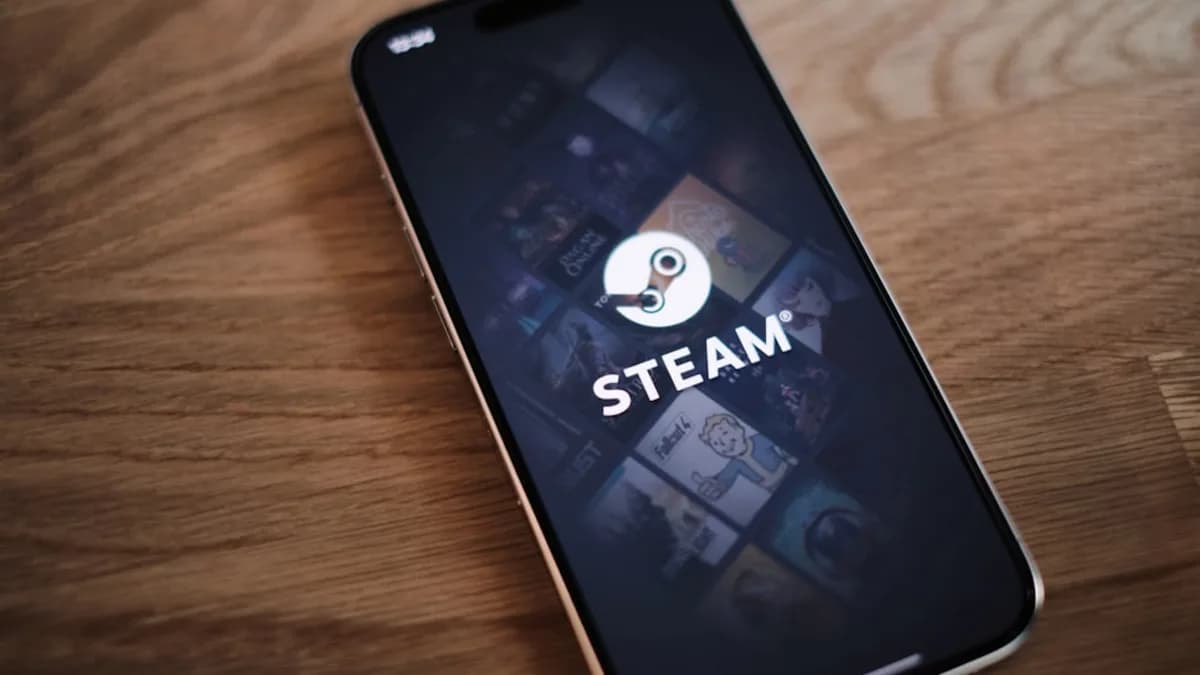
A free Steam title, Beyond The Dark, didn’t just crash on launch—it ran credential-stealing malware in the background, hidden inside a spoofed UnityPlayer.dll. The discovery, made public by a cybersecurity researcher, triggered Valve to remove the game from Steam, highlighting a new level of threat for users who trust official distribution channels, according to Notebookcheck.
The attack was simple: ship a broken game that users would blame for technical issues, while the real payload—a fake Unity DLL—quietly harvested sensitive information. Valve only intervened after the researcher’s exposé, not during the initial infection window. The precise method and scale of the credential theft remain unconfirmed, but the approach—masquerading as a legitimate game file—blindsided both players and Steam’s automated checks.
This incident underscores a growing threat: even games that pass Steam’s verification aren't immune to malicious actors repurposing trusted files for theft.
Surge in Malware-Infected Games on Steam Sparks FBI Investigation
Beyond The Dark isn’t an isolated case. It's the latest in a string of malware-laden games that have slipped past Steam’s defenses, forcing the FBI to open investigations into the distribution of credential-stealing software on the platform. Attackers are exploiting the trust and reach of Steam, embedding malware in games and updates that appear innocuous—or, as in this case, simply broken.
The FBI’s involvement signals the severity and scale of the problem, but details on the number of affected users, the value of stolen assets, or specific attacker groups remain scarce. For now, the only confirmed response is Valve’s removal of compromised titles after public exposure.
Analysis: The use of credential-stealing malware in indie or free-to-play titles isn’t new, but its effectiveness on a platform as dominant as Steam raises the stakes. These campaigns can target a range of credentials—Steam logins, linked payment methods, or even third-party accounts—with little friction for the attacker.
What Gamers and Developers Should Watch for Amid Rising Steam Security Threats
For gamers, the lesson is brutal: a free download—even from Steam—can mean more than a technical hiccup. Suspicious crashes, unexpected DLL files, or games that behave oddly on launch should be immediate red flags. Reporting such incidents through Steam’s official channels is critical, especially before uninstalling or wiping evidence.
Valve’s current posture is still reactive. The platform removes malware-infested games only after researchers or affected users sound the alarm. There’s no evidence, from the source, of systematic pre-emptive detection or public transparency around these incidents.
What remains unclear is how Valve will adapt its security protocols in response. Tighter vetting, stricter update controls, or enhanced DLL integrity checks are all plausible, but no plans have been announced. For developers, the incident may prompt calls for more robust authentication of game files and faster response pipelines for flagged content.
What to Watch: Steam’s Next Security Move
The Beyond The Dark breach leaves critical questions open. Will Valve disclose the extent of the damage or implement new safeguards? Or will the platform’s sheer scale continue to give cover to opportunistic attackers?
One thing is certain: as long as threat actors can masquerade as legitimate developers and abuse Steam’s distribution, users and the industry can expect more high-profile malware incidents. The speed and transparency of Valve’s next move will be the real test of its security commitment.
Impact Analysis
- Malicious games can bypass Steam's security, putting users' personal data at risk even from official channels.
- The incident highlights how attackers exploit user trust in major gaming platforms to distribute malware.
- FBI involvement reflects the growing scale and seriousness of credential theft through popular gaming services.