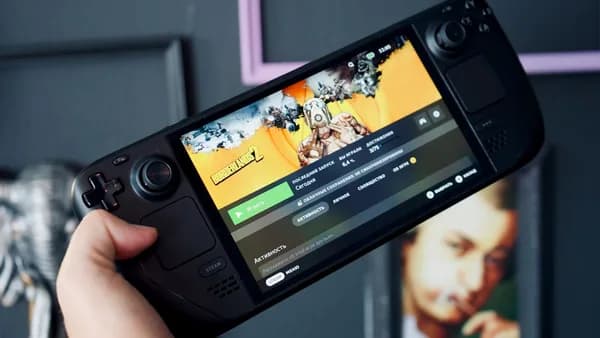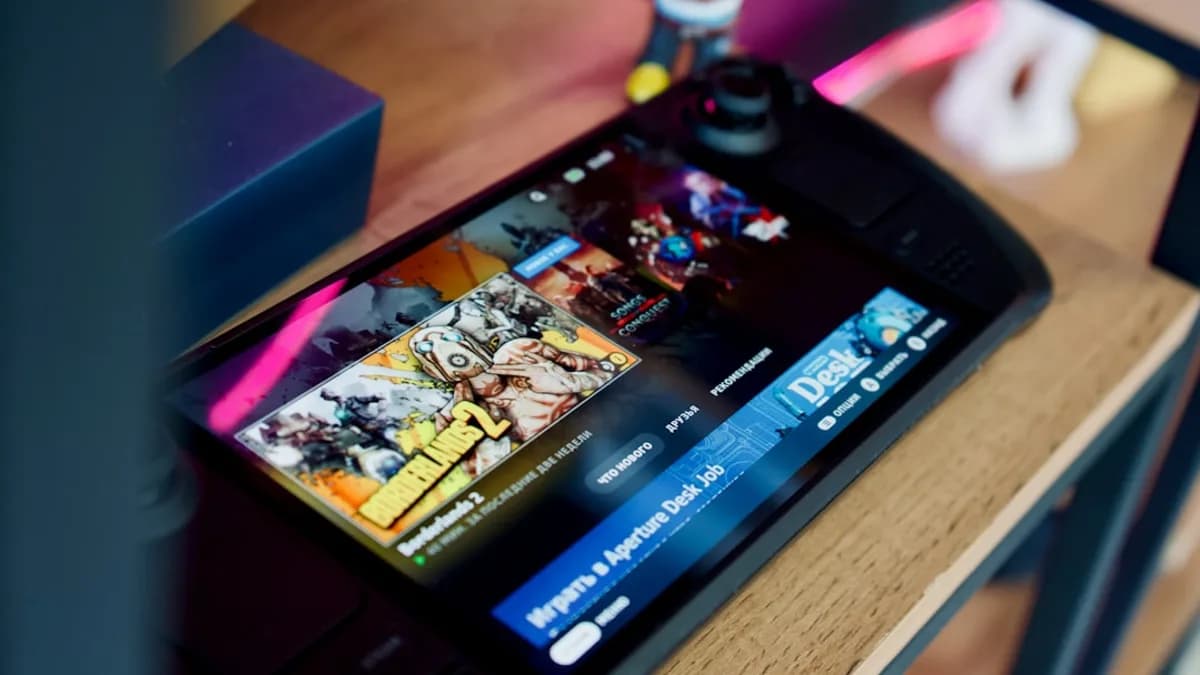
June 2: The Steam Deck Isn’t Dead — Its Lead Is Eroding
On June 2, the smartest take on Valve’s Steam Deck was not that the handheld PC is “dead.” It is that Valve may be letting its lead decay slowly, one pricing decision at a time.
That distinction matters. The “dead” label is lazy. But the anxiety behind it is real. A Reddit thread cited by Notebookcheck drew nearly 800 comments in less than 20 hours, after one user asked why gamers were suddenly talking as if the Steam Deck had already been written off.
My view: the Steam Deck still has life. It has users, games, community support, and a software experience people understand. But its original bargain has been damaged. Once that happens, buyers stop treating it as the obvious handheld PC and start treating it as one option among many.
That is where decline begins. Not with a funeral. With hesitation.
The $789 OLED Reset Weakens Valve’s Best Argument
The Steam Deck OLED was strongest when its pitch was simple: PC gaming flexibility, Steam integration, modding options, and repairability at a reasonable price. Notebookcheck’s source thread frames that value-for-money point as central to the device’s early appeal.
The new math changes the conversation. The 512GB OLED Steam Deck now sells for $789, up from $549, while the 1TB version now costs $949, up from $649, according to Ars Technica. Ars also reported that the older $399 LCD base model had been discontinued, after being unavailable for months.
Valve’s explanation is blunt:
“Steam Deck itself hasn’t changed; these new prices reflect the current state of component costs and other global logistical challenges across the industry as a whole,” Valve said.
That may be fair. It does not make the product feel better priced.
A handheld PC is a compromise machine by design. Buyers notice every trade-off: battery life, screen, weight, performance, heat, storage, and price. When the Deck was cheaper, those compromises were easier to forgive. At $789 or $949, the buyer’s brain moves it into a different aisle.
That is why the price debate connects directly to our related MLXIO coverage on the Steam Deck OLED price hike and the $949 Steam Deck OLED shock. The issue is not only affordability. It is positioning.
In Less Than 20 Hours, Reddit Split the Market in Two
The Reddit argument matters because it separates existing owners from new buyers.
Existing Steam Deck owners have every reason to reject the obituary talk. Notebookcheck notes that this group still sees Valve’s handheld as a capable device with a large game catalog and an active community. That is not nostalgia. That is installed-base reality.
Potential buyers face a colder calculation. They are not asking whether the Steam Deck was a great purchase in 2022, or whether existing owners still enjoy it. They are asking whether it is the best purchase now, after the OLED price increase and after more powerful handhelds entered the category.
Those are different questions.
Existing owners can say:
- Library: The Steam Deck still works with a large Steam catalog.
- Community: The active user base keeps guides, fixes, and recommendations flowing.
- Usability: Steam integration and SteamOS remain central advantages.
- Flexibility: Modding options and repairability still support the device’s appeal.
New buyers may answer:
- Price: The OLED model no longer feels like the easy bargain.
- Hardware: Rivals such as the Asus ROG Ally X and Lenovo Legion Go are described by Notebookcheck as significantly more powerful.
- Choice: The Steam Deck is no longer the only mainstream handheld PC worth considering.
The counterargument is strong: a passionate community can keep a product alive long after hype fades. True. But community strength does not automatically solve a weakened price case.
Asus, Lenovo, and MSI Have Made the Deck Feel Less Alone
Valve’s problem is not that every rival has beaten it. The problem is that rivals have made comparison unavoidable.
TechRadar argues that the Steam Deck helped push handheld gaming PCs into wider attention after launching in 2022, largely because of affordability and SteamOS. It also warns that newer handheld PCs from MSI, Asus, and Lenovo are becoming expensive enough to risk dragging the category back toward niche status.
Here is the uncomfortable pricing spread now visible in the supplied sources:
| Device | Price detail from source material | What it does to Valve’s pitch |
|---|---|---|
| Steam Deck OLED 512GB | $789, up from $549 | Weakens the value argument |
| Steam Deck OLED 1TB | $949, up from $649 | Pushes Deck into premium comparison territory |
| Steam Deck LCD 256GB | $399, discontinued/phased out | Removes Valve’s clearest entry-level offer |
| Asus ROG Ally X | $799.99, seen at $899 at Best Buy, per TechRadar | Makes Deck pricing feel less isolated but more competitive |
| MSI Claw 8 AI+ | $899, later $999 for US consumers, per TechRadar | Shows the broader handheld PC price problem |
| Lenovo Legion Go S Z1 Extreme | $829.99 at Best Buy, per TechRadar | Adds another higher-priced alternative |
This table cuts both ways. Valve is not alone in facing ugly pricing. But that is not a full defense. The Steam Deck’s identity was built around making handheld PC gaming feel accessible. If it becomes merely one expensive option in an expensive field, Valve loses the emotional clarity that made the product special.
Novelty is gone. The category exists. The buyer now shops.
SteamOS Still Buys Valve Time, Not Immunity
SteamOS remains Valve’s strongest shield. TechRadar credits it as a major factor in the Steam Deck’s success, citing its simple, console-like interface that lets players jump into games without constant tweaking.
That matters because the Steam Deck is not just a chip, screen, and battery. It is also a way to make PC games feel less like PC maintenance. Valve’s software layer gives the handheld a personality that many spec sheets cannot capture.
But software polish has limits. Notebookcheck notes that the Steam Deck is no longer the most powerful device in its class. That does not make it obsolete overnight. It does mean the OLED price increase lands against older hardware, not a newly reset generation.
The result is tension. SteamOS makes the Deck feel coherent. The current price makes it feel exposed.
A buyer can admire the interface and still ask why a nearly unchanged device now costs much more. That question is hard to answer with community goodwill alone.
Valve’s Next Move Has to Reprice Trust, Not Just Add Speed
The next decision point for Valve is not only whether it builds faster hardware. It is whether it restores confidence in the Steam Deck idea.
That means protecting the identity that made the product work: affordable by handheld PC standards, flexible enough for PC users, and easier to live with than a typical gaming PC. A faster successor would help, but speed alone will not repair the damage if pricing stays confusing or entry-level access disappears.
Valve also has another hardware question circling the same debate. Ars Technica noted that the new Deck pricing “bodes poorly” for the potential pricing of the Steam Machine desktop, which Valve plans to launch sometime “this year.” That makes our related coverage on Steam Machine pricing risk and Valve launch-watch speculation relevant to the same broader issue: whether Valve can still sell hardware with a value story attached.
The strongest case for Valve is that rivals are also expensive. The strongest case against Valve is that the Steam Deck was never supposed to win by becoming expensive with everyone else.
Valve’s Real Deadline Is Before Buyers Stop Waiting
The Steam Deck does not need saving from death. It needs saving from complacency.
Slow decline is more dangerous than a sudden collapse because it looks like stability until the habit changes. Existing owners keep playing. Reddit defenders keep defending. The community stays loud. Then new buyers quietly pick something else, or wait for a successor, or decide the category costs too much.
Valve still has assets other handheld makers would like to have: Steam, SteamOS, a large game catalog, and a user base that wants the Deck to keep mattering. But those advantages need a sharper hardware and pricing answer.
The practical watch item is simple: Valve must show whether the Steam Deck remains a value-led platform or becomes a premium device with old value branding. If it chooses the first path, it can keep defining handheld PC gaming. If it drifts into the second, the Steam Deck may be remembered less as the device that led the market — and more as the one that taught everyone else how to catch it.
The Bottom Line
- Higher prices weaken the Steam Deck’s original value-for-money appeal.
- The discontinued $399 LCD model removes Valve’s most accessible entry point.
- Buyer hesitation could make the Steam Deck feel like one option among many instead of the default handheld PC.