MLXIO
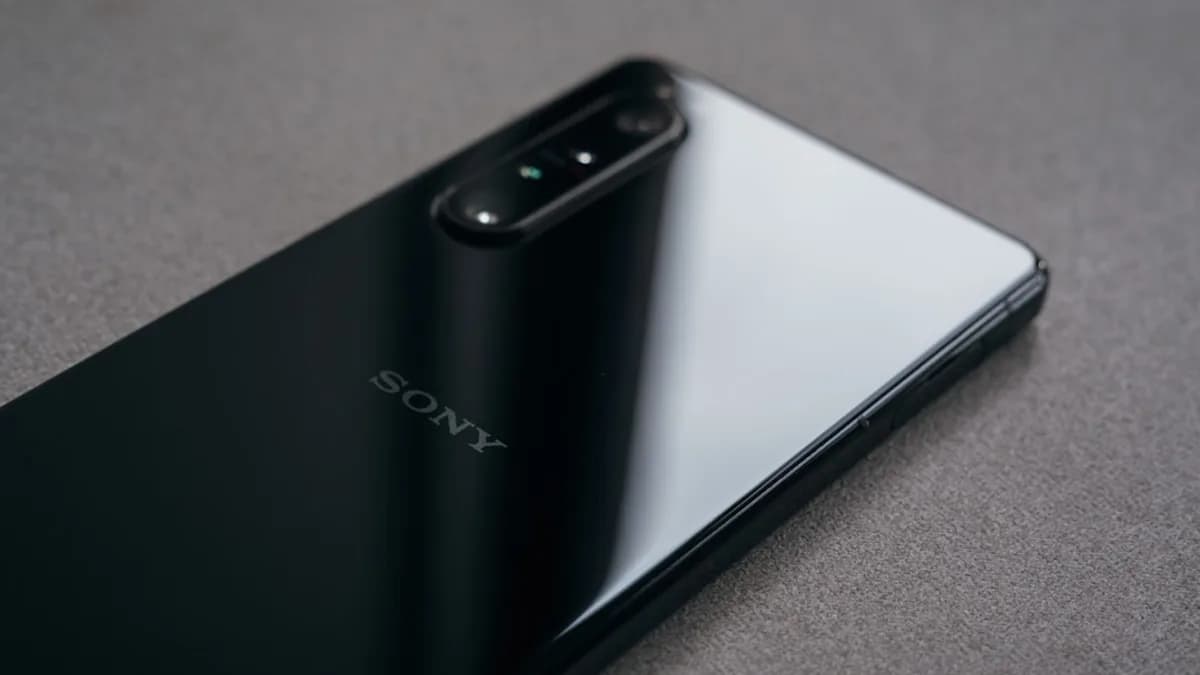
a close up of the back of a black sony phone
TechnologyMay 18, 2026· 4 min read· By Dev Kapoor

Sony Xperia 1 VIII Tricks Buyers with Fake Thinness Claim

Share

MLXIO Intelligence

Analysis Snapshot

69
High
Confidence: LowTrend: 10Freshness: 99Source Trust: 100Factual Grounding: 95Signal Cluster: 20

High MLXIO Impact based on trend velocity, freshness, source trust, and factual grounding.

Thesis

High Confidence

Sony's Xperia 1 VIII is thicker than advertised because Sony measured the device at its thinnest point, a practice common among smartphone manufacturers.

Evidence

  • Independent measurements show the Xperia 1 VIII is thicker than Sony's official specs.
  • Sony reported the thickness at the device’s slimmest cross-section, not the average or maximum thickness.
  • Other smartphone manufacturers also use this selective measurement tactic.
  • The source does not provide exact thickness numbers or comparative data for other phones.

Uncertainty

  • Exact advertised versus actual thickness values are not specified.
  • No data on consumer backlash or satisfaction is provided.
  • The long-term impact on brand trust is unclear.

What To Watch

  • Whether Sony or other manufacturers change their dimension reporting practices.
  • Emergence of industry standards for device measurement.
  • Consumer or regulatory response to misleading product specs.

Verified Claims

The Sony Xperia 1 VIII is thicker than its advertised specifications suggest.
📎 Independent measurements confirm the device is thicker than Sony's official spec sheet claims.High
Sony measured the Xperia 1 VIII's thickness at its thinnest point rather than its average or maximum thickness.
📎 Sony reported the measurement taken at the phone’s slimmest cross-section, likely excluding bulkier portions.High
Other smartphone manufacturers have also used the tactic of reporting thickness at the device’s thinnest point.
📎 The article notes that several manufacturers have sidestepped the truth with similar tactics.High
The practice of advertising the thinnest spot instead of a more realistic average or maximum thickness is widespread in the smartphone industry.
📎 Selective measurement is described as an industry-wide habit, not unique to Sony.High
Consumers may find the Xperia 1 VIII less sleek than expected due to the discrepancy between advertised and actual thickness.
📎 Consumers may find the phone less sleek than expected, which can influence comfort during use and satisfaction post-purchase.Medium

Frequently Asked

Is the Sony Xperia 1 VIII as thin as advertised?

No, independent measurements show the Xperia 1 VIII is thicker than Sony's advertised specifications.

How did Sony measure the Xperia 1 VIII's thickness?

Sony measured the device at its thinnest point, which does not reflect the average or maximum thickness.

Do other smartphone brands use similar measurement tactics?

Yes, other manufacturers also report thickness at the device’s thinnest point to make their phones appear slimmer.

Why do manufacturers advertise the thinnest measurement?

A thinner profile is seen as a sign of engineering prowess and premium design, giving a competitive marketing edge.

What is the impact of selective thickness reporting on consumers?

Consumers may feel misled if the device is less sleek than expected, which can affect comfort and satisfaction.

Updated on May 18, 2026

Smartphone Thickness: The Marketing Mirage

Sony’s Xperia 1 VIII is thicker than its spec sheet claims, a fact confirmed by independent measurements that challenge the company’s marketing narrative. Sony seems to have measured the device at its thinnest point, not its actual average thickness—a playbook familiar to anyone tracking smartphone launches. This move isn’t unique to Sony; several manufacturers have sidestepped the truth with similar tactics, prioritizing that all-important “slimmest ever” tagline over the full reality. The result is a market where the advertised numbers often differ from what buyers experience in their hands, as highlighted by Notebookcheck.

Manufacturers have clear incentives: a thinner profile signals engineering prowess, premium design, and a competitive edge in a crowded field. But measuring at the device’s narrowest point—while technically accurate—paints an incomplete picture. For consumers, the expectation set on the product page rarely matches the physical reality, leading to disappointment or confusion after unboxing.

What We Know: Sony Xperia 1 VIII’s Real Measurements

The Notebookcheck report confirms that the Xperia 1 VIII’s advertised thickness is not representative of the device’s true dimensions. The discrepancy stems from Sony’s choice to report the measurement taken at the phone’s slimmest cross-section, likely excluding bulkier portions. This approach can shave millimeters off the published specs but doesn’t reflect the actual feel of the device.

The source does not supply the exact numbers for the Xperia 1 VIII’s advertised versus actual thickness, nor does it offer comparative data for other phones. What’s clear is that this metric gap is not a rounding error—it’s a conscious communication strategy. The practice of advertising the thinnest spot rather than a more realistic average or maximum thickness is widespread, but rarely discussed outside of specialist circles.

The practical impact? Consumers may find the phone less sleek than expected, which can influence comfort during use and satisfaction post-purchase. Until manufacturers standardize how they report dimensions, “thinnest ever” claims should be read with caution.

Perspectives: Why This Practice Persists

Sony’s rationale is easy to infer: marketing wins points for the slimmest numbers, especially when competition is fierce. The company isn’t alone in this; the Notebookcheck article notes other brands have also measured at the thinnest point. For manufacturers, the risk of reputational damage seems outweighed by the immediate sales appeal of a razor-thin profile.

Consumers, meanwhile, often rely on spec sheets to guide purchasing decisions. If those numbers mislead, trust erodes. While the source doesn’t detail consumer backlash, this kind of specmanship invariably raises eyebrows among tech-savvy buyers and the specialist press. Industry analysts—when they weigh in—typically call for more transparent reporting, but the Notebookcheck piece does not quote any such opinions in this case.

A Brief History of Selective Thickness Claims

The Xperia 1 VIII isn’t the first device to play fast and loose with thickness measurements, and it likely won’t be the last. The source material confirms that selective measurement is an industry-wide habit, not a Sony invention. Over the past decade, as the race for the slimmest smartphone intensified, companies have increasingly focused on how their devices look on paper rather than in the hand.

While the Notebookcheck report doesn’t detail past cases or shifting consumer priorities, it does place Sony’s move in a broader context: selective reporting is a recurring marketing tactic in the smartphone world.

Why It Matters: Trust, Standards, and Smart Shopping

When companies exaggerate or selectively present device dimensions, they risk alienating informed buyers. The Notebookcheck article points to a need for standardized measurement methods that reflect the device’s real-world profile. Until that happens, spec sheets offer only a partial truth.

For buyers, the lesson is clear: treat official dimensions with skepticism, and look for independent reviews that measure thickness where it matters—across the whole device, not just the thinnest sliver.

What’s Still Unclear

The source does not reveal how much thicker the Xperia 1 VIII is in practice, nor how Sony responds to such criticism. There’s also no direct evidence of consumer outrage or sales impact. Without more data, it’s hard to assess the full scope of the problem or how widespread the practice remains among competitors.

What to Watch: Toward Honest Specs or Business as Usual?

Unless the industry moves toward more rigorous, standardized reporting, selective measurements will remain the norm. Any future shift—driven by consumer pressure, regulatory action, or voluntary best practices—would mark a meaningful change. Watch for future device launches where reviewers spotlight not just the numbers on the box, but how those numbers are derived. If brands start reporting average or maximum thickness instead of the absolute minimum, that will signal a new era of transparency. Until then, expect spec sheets to keep playing up the thinnest edge.

Key Takeaways

  • Consumers may be misled by smartphone thickness claims that do not reflect real-world usage.
  • Sony and other manufacturers often advertise measurements from the device's thinnest point, not the average or thickest.
  • This practice highlights the need for clearer product specifications to ensure buyer trust and satisfaction.
DK

Written by

Dev Kapoor

Consumer Tech & Gadgets Reviewer

Dev reviews smartphones, laptops, wearables, smart home devices, and consumer electronics. He focuses on real-world performance, value-for-money analysis, and helping readers find the best tech for their needs and budget.

SmartphonesLaptopsWearablesSmart HomeConsumer Electronics

Related Articles

a blue cube with a white logo
TechnologyMay 19, 2026

Samsung Sparks Flagship Shakeup with Compact S27 Pro, Ultra Upgrades

Samsung challenges flagship norms with a compact S27 Pro and three major S27 Ultra upgrades, aiming to blend portability with top-tier power.

6 min read

black and gray headphones on white surface
TechnologyMay 20, 2026

Sony Sparks Ultra-Premium Headphone Wars with WH-1000XX Collexion

Sony launches WH-1000XX The Collexion, an ultra-premium wireless headphone redefining high-end audio with upgraded drivers and exclusive design.

4 min read

black and gray headphones on white surface
TechnologyMay 19, 2026

Sony Bets on Style with New WH-1000XM6 Sandstone Edition

Sony expands WH-1000XM6 lineup with a new Sandstone color, reinforcing its premium audio and fashion appeal at $399.

4 min read

black wireless headphones between Apple Keyboard and Apple Magic Mouse on white surface
TechnologyMay 18, 2026

Sony Sparks Style Shift with Bold Sandstone WH-1000XM6 Relaunch

Sony revives its flagship WH-1000XM6 headphones in a striking Sandstone color, blending top-tier sound with fresh style to capture summer buyers.

3 min read

flatlay photography of wireless headphones
TechnologyMay 19, 2026

Sony WH-1000X The ColleXion Leak Reveals Luxe Headphone Upgrade

Sony’s WH-1000X The ColleXion leak exposes a premium brushed metal design and upgraded build, positioning it above the XM6 before launch.

3 min read

Handheld gaming device displaying game library
TechnologyMay 20, 2026

Lenovo Legion Y900 13 Crushes Galaxy Tab S11 Ultra for Work

Lenovo’s Legion Y900 13 delivers flagship specs and a 144Hz display, challenging Samsung’s Galaxy Tab S11 Ultra as the top productivity Android tablet.

5 min read

A cell phone sitting on top of a wooden table
CybersecurityMay 20, 2026

Free Steam Game Crashes but Secretly Steals Your Credentials

A free Steam game crashed on launch but secretly ran malware stealing user credentials, exposing risks even on trusted platforms.

3 min read

A close-up of an rtx 3090 graphics card.
TechnologyMay 20, 2026

Lenovo Unleashes 15-Inch Legion 5 with RTX 5070 and 1,100-nit OLED

Lenovo’s Legion 5 15IAX11 gaming laptop packs a rare 1,100-nit OLED and Nvidia RTX 5070 GPU, raising the bar for visuals and performance in 15-inch gaming rigs.

3 min read

a person holding a smart phone on top of a wooden table
TechnologyMay 20, 2026

Trump Mobile T1 Phones Reach Media After Yearlong Delay

The Trump Mobile T1 Phone finally lands with media after a yearlong delay that eroded buyer trust and revealed deeper industry challenges.

5 min read

macbook pro on white table
TechnologyMay 20, 2026

Disney Sparks Streaming Shakeup with 3 New Disney+ and Hulu Features

Disney launches three new features to unify Disney+ and Hulu apps, signaling a major step toward seamless streaming integration.

4 min read

Stay ahead of the curve

Get a weekly digest of the most important tech, AI, and finance news — curated by AI, reviewed by humans.

No spam. Unsubscribe anytime.