Tested robot vacuum-mops point to a less flattering truth about the category: the best model is no longer the one with the biggest suction number, but the one least likely to turn your specific home into a support ticket.
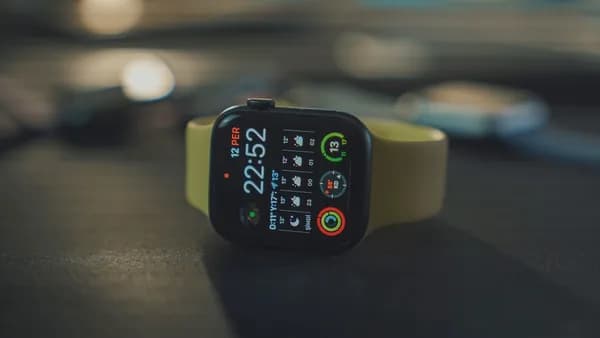
That is the real signal inside Jennifer Pattison Tuohy’s latest robot vacuum-mop guide for The Verge, which ranks models after years of living with them, not just running bench tests, according to The Verge. The test history includes eaten rug tassels, an Apple Watch run over, strawberry jam smeared across carpet, and a robot speaking Chinese at 3AM. That sounds absurd. It is also the point.
“The best robot vacuum-mop is the one most likely to consistently vacuum and mop your floors with the least intervention.”
That sentence reframes the entire buying decision. Robot vacuum-mops are not universal smart-home appliances. They are home-specific machines shaped by flooring, thresholds, rug height, furniture clearance, pets, clutter, dock maintenance, privacy tolerance, and patience.
Tested Bots Show the Real Problem: Your House Is the Hardest Spec
The current premium robot vacuum-mop market is selling autonomy. The lived reality is more conditional. These machines can vacuum, mop, wash pads, dry pads, empty bins, sense carpets, map rooms, and sometimes detect dirt. Yet many still need water refills, bag replacements, app tuning, dock cleaning, dirty-water handling, and occasional rescues from cables, socks, rug tassels, or furniture traps.
That is why the strongest buying signal in the Verge guide is not a single headline spec. It is whether the machine can navigate the home it is actually placed in without becoming “deeply annoying.” A robot that looks powerful on paper can still fail if it gets trapped under furniture, drags moisture onto rugs, misreads flooring, or needs constant attention from the owner.
MLXIO analysis: This is a maturity signal. Early robot vacuums competed on whether they could clean at all. Current robot vacuum-mops compete on whether they can clean without creating new chores. That moves the category away from gadget novelty and toward appliance reliability.
The home profile matters more than the marketing claim:
- Older, multi-floor homes need navigation, threshold handling, and low annoyance.
- Open-plan hard-floor homes can benefit from stronger mopping systems and efficient room coverage.
- Carpet-heavy homes need brush agitation and reliable carpet recognition, not just suction.
- Apartments and townhomes need compact docks and tight-space maneuvering.
- Privacy-focused buyers may prefer local processing, fewer cameras, or clearer data controls.
This is the broader hardware lesson: the headline feature is only useful if the surrounding constraints fit the user. In robot vacuum-mops, capability without compatibility can become a daily irritation.
Premium Robot Vacuum-Mops Are Now Serious Purchases
Robot vacuum-mops now range from relatively affordable models to expensive premium systems with self-emptying docks, mop washing, drying, mapping, obstacle detection, and app-based room controls. That pricing changes the buying psychology. A robot vacuum-mop is no longer an impulse gadget for many households. It is closer to a small appliance purchase, and the wrong choice can be costly in both money and maintenance.
The spec sheets can also be misleading. Suction numbers often look dramatic, but suction is not the full story. The Verge guide’s larger point is that carpet performance depends on more than raw power. Brush design, agitation, navigation, obstacle avoidance, and whether the robot can correctly identify rugs and carpets all matter.
Physical design matters just as much. A shorter robot may fit under low furniture, while a taller robot may miss beds, couches, or console tables. Mop lift limits are another hard constraint. If a mop cannot rise high enough over rugs, a household with thick carpet or tasseled rugs may end up with damp fabric, aborted cleaning runs, or rooms the robot cannot handle confidently.
The recurring ownership friction is not hidden. Some robots rely on proprietary bags or consumables. Multifunction docks can reduce daily chores, but they can also become dirty if they are not cleaned. Mop systems need water. Dirty-water tanks need attention. Pads or rollers eventually need maintenance. A robot that reduces vacuuming but adds dock scrubbing, app troubleshooting, and rescue missions may not feel autonomous at all.
For buyers, the practical move is to treat price as only one part of the calculation. The better question is: what does the robot remove from your routine, and what does it add back?
Roller, Spinning, Vibrating: Mop Architecture Has Become the Main Battleground
The biggest technical split is no longer “vacuum versus mop.” It is mop architecture.
| Mop type | Best fit | Main tradeoff |
|---|---|---|
| Roller mop | Large hard-floor areas, sticky messes, frequent wet cleaning | Can be bulkier and may be less ideal around thick rugs |
| Dual spinning mop pads | Tile, grout lines, edge reach, mixed hard-floor layouts | Can require more dock cycles and pad maintenance |
| Flat vibrating pad | Delicate floors, simpler mopping, lower-maintenance setups | Usually less autonomous if the dock does not wash or refill |
Roller mops show why the category has moved beyond dragging a damp cloth behind a vacuum. A roller system can apply more continuous contact to the floor and may be useful in homes with large kitchens, entryways, or open-plan hard flooring. The appeal is obvious: better wet cleaning with less manual mopping.
Yet roller mops carry penalties. They may be harder to lift clear of rugs, may require more water management, and can bring extra dock complexity. If the home has thick rugs, high transitions, or lots of tight furniture, the same hardware that helps on hard floors can become less convenient elsewhere.
Spinning pads solve different problems. They can scrub textured surfaces and grout more effectively than simpler pads, and designs that extend outward can help near baseboards and cabinet edges. For tile-heavy homes, that may matter more than the highest suction rating.
Flat vibrating pads take the value route. They are simpler and can be gentler on floors that should not get too wet. The tradeoff is that buyers often accept more manual involvement, especially if the dock does not automatically refill water or clean the mop pad.
MLXIO analysis: The robot vacuum-mop market is now splitting the way laptops split by use case. The winning choice depends less on one “best” machine and more on whether the hardware’s compromises match the user’s floor plan.
From Damp Cloths to Lidar, Cameras, Dirt Detection, and Local Maps
Robot vacuum-mops have moved far beyond dragging a damp microfiber pad around the floor. The Verge guide describes a category where newer models can scrub, self-clean, detect carpets, raise or remove mop pads, wash with hot water, dry with hot air, and map homes using increasingly advanced sensors.
That progress is real. Better navigation can mean fewer abandoned cleaning runs. Smarter mapping can make room-by-room scheduling more useful. Carpet detection can help prevent wet mops from touching rugs. Obstacle avoidance can keep robots away from cables, socks, pet bowls, and small objects that would have defeated older models.
But the new intelligence is uneven. The Verge testing makes clear that smart features should be treated as claims to verify, not magic. Dirt detection, stain detection, carpet recognition, and obstacle avoidance can all vary by model and by home. A robot that misclassifies flooring is not merely making a software error. It is skipping part of the job.
Privacy has also become part of the buying decision. Some buyers are comfortable with cameras and cloud-connected mapping if the obstacle detection is strong. Others would rather accept weaker object recognition in exchange for fewer sensors, local processing, or less dependence on remote services. Neither choice is universally correct. It depends on the home and the owner’s tolerance.
The Apple Watch anecdote in the Verge testing is funny because it is specific, but it also captures the bigger point: floor robots now operate in the middle of everyday life. They do not clean empty lab spaces. They clean rooms full of chargers, shoes, pets, rugs, furniture, toys, wearables, and humans who forget what they left on the floor.
Buyer Profiles Explain Why One “Best” Robot Vacuum-Mop Does Not Exist
The Verge guide is most useful when read as segmentation, not ranking.
For complicated older homes, the practical pick is usually the robot that navigates reliably and needs the fewest rescues. Thresholds, uneven flooring, tight rooms, and furniture traps matter more than a dramatic spec sheet. In these homes, quiet operation and predictable mapping can be more valuable than maximum suction.
For clean, open-plan homes with mostly hard floors, a stronger mopping system may be the priority. These homes can benefit from robots that cover broad areas efficiently, manage water well, and handle sticky kitchen messes without requiring constant pad changes or manual follow-up.
For obstacle-heavy homes, avoidance matters most. A robot that cannot handle cables, socks, pet toys, or clutter will quickly become a chore generator. Strong object detection can be worth paying for if the alternative is preparing the floor before every cleaning run.
For carpet-heavy homes, buyers should look beyond mop features. Brush design, hair handling, agitation, carpet recognition, and the ability to keep mop hardware away from rugs become central. A high suction number alone does not guarantee better carpet cleaning if the brushes, mapping, or carpet behavior are weak.
For apartments, condos, and smaller spaces, dock size and noise matter. A large multifunction base may be acceptable in a laundry room or mudroom, but intrusive in a studio or hallway. Compactness, quiet cleaning, and easy maintenance may beat the most advanced dock.
Value buyers should focus on which chores they are willing to keep. A lower-cost robot may still clean well, but it may require manual water filling, pad washing, bin emptying, or more frequent intervention. That can be a smart tradeoff if the buyer understands it before purchase.
Pet owners should ignore novelty pet branding unless it reduces labor. The key needs are simple: strong debris pickup, tangle resistance, obstacle avoidance, scheduling, and enough reliability to keep hair from building up between deeper cleans.
Match the Bot to the House Before You Compare the Brands
A smart robot vacuum-mop purchase starts with the room, not the model.
Ask these questions first:
- Floor mix: Mostly hardwood, vinyl, tile, carpet, or a rotating mess of all four?
- Rug height: Low-pile throw rugs or thick, tasseled traps?
- Thresholds: Flat transitions or room changes that need climbing hardware?
- Furniture clearance: Do you need a low-profile robot, or can a taller body work?
- Clutter level: Are socks, cables, toys, and pet bowls common?
- Pets: Is hair a daily problem or occasional debris?
- Maintenance tolerance: Are you willing to clean mop pads, refill tanks, empty dirty water, and buy proprietary bags?
- Privacy preference: Are cameras acceptable, or do local processing and reduced connectivity matter?
The main mismatch risks are predictable. Roller mops can be excellent on hard floors but awkward with thick rugs. Low mop lift can dampen carpets. Bulky robots can struggle in tight homes. Tall robots miss low furniture. Camera-free bots can be cheaper and more private, but weaker around obstacles. Multifunction docks can reduce daily work, yet become their own cleaning chore if poorly maintained.
MLXIO analysis: The practical shift is from “Which robot vacuum-mop is best?” to “Which failure mode can my home tolerate?” A buyer with thick rugs should fear low mop lift. A buyer with toddlers or cables should fear weak obstacle detection. A buyer in a small apartment should fear dock bulk. A privacy buyer should fear cloud mapping or cameras more than a lower suction number.
The Next Fight Is Reliability, Privacy, and Home Adaptation — Not Bigger Pa Numbers
The evidence to watch is not whether next year’s robot vacuum-mop claims an even higher suction figure. The more useful signal will be whether brands reduce human intervention.
Better models should prove they can recognize floors without false carpet detections, climb thresholds without drama, clean edges without missing baseboards, avoid cables and socks more reliably, and handle rugs without soaking them. Quieter dock washing and drying also matter, because a robot that disrupts work calls or sleep will get used less.
Privacy-first designs are another watch item. Buyers are becoming more aware that mapping, cameras, microphones, and cloud features belong in the purchase conversation. If brands can improve obstacle detection without always adding more invasive sensors, that would widen the buyer pool.
Pricing will keep shaping behavior. Because robot vacuum-mop prices can vary widely across budget, midrange, and premium systems, shoppers have a rational reason to compare current listings carefully and consider whether last year’s higher-end model meets their needs. That pressures brands to make each new dock, mop system, AI feature, or climbing mechanism prove it cuts labor in a way owners can feel.
The thesis to test over the next product cycle is simple: robot vacuum-mops will win less by looking smarter in an app and more by needing fewer apologies in the house.
Key Takeaways
- The best robot vacuum-mop depends more on your home layout than on headline suction specs.
- Premium models still require maintenance, app tuning, and occasional rescues despite claims of autonomy.
- Buyers should prioritize reliability with rugs, thresholds, pets, clutter, and docks before paying for advanced features.