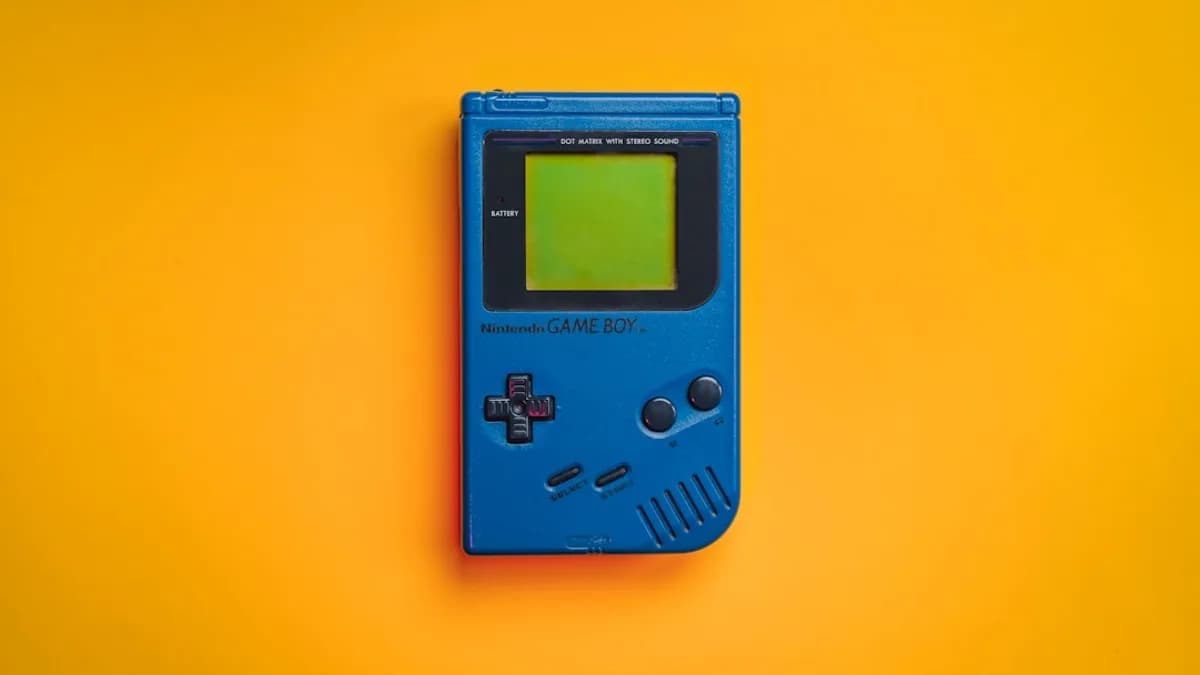
One 2.8-inch device is trying to replace three pocket gadgets: a retro handheld, a music player, and a PDA-style note machine. That is the pitch behind PocketByte, a modular handheld, according to Notebookcheck.
The hook is not raw power. It is the swappable input module. PocketByte pairs a small base unit with interchangeable controls, so the same core device can behave like a retro gaming handheld, an iPod-style music player, or a compact keyboard-driven PDA.
Why could a modular handheld matter when most pocket gadgets do one job?
PocketByte matters because it asks a simple hardware question: what if the screen, battery, processor, storage, and supporting hardware stayed the same, but the controls changed with the task?
That is a different idea from most small gadgets. A retro handheld is usually built around gaming buttons. A music player is built around playback controls. A PDA-style device needs text input. PocketByte tries to make the interface modular rather than the entire device disposable or single-purpose.
The pricing picture is still an open question based on the available primary-source information. Without a confirmed price, PocketByte is easier to judge as a concept than as a buying decision. For readers tracking niche portable hardware, that matters because small enthusiast devices often compete as much on value and accessibility as they do on design.
The important caveat: PocketByte is not being presented as a smartphone replacement. Based on the disclosed concept and use cases, it looks more like an experimental pocket computer for people who want physical controls and a device that changes shape for different low-power tasks.
What does the 2.8-inch PocketByte base module actually do?
PocketByte’s fixed foundation is a compact base module built around a 2.8-inch device format. That size fits the device’s stated roles: games, music navigation, notes, and simple PDA-style tasks.
The available primary-source information frames PocketByte more around its modular concept than around a complete public spec sheet. In other words, the most important disclosed idea is not a long list of components. It is that the base unit can stay consistent while the input hardware changes depending on how the device is being used.
Battery life also remains a practical unknown from the supplied source material. There is not enough confirmed detail to say how long PocketByte should last while gaming, playing music, or being used as a PDA-style note device.
That limitation matters. A small modular gadget can be clever on paper, but battery life is one of the details that decides whether it becomes useful every day or stays a fun prototype-style curiosity.
The standout hardware idea is the expansion system for input modules. That is the part that lets controls attach and change how the device is used. PocketByte also depends on its software experience to make those hardware changes feel like real modes rather than simple accessory swaps.
How do the input modules turn one device into three different gadgets?
PocketByte’s modular trick is straightforward: swap the input module, and the device’s main role changes.
With the gamepad module, PocketByte becomes a gaming handheld. The appeal is clear: physical buttons can make small-screen play feel more natural than relying on touch controls or a generic compact layout.
With the music player module, the device shifts toward dedicated audio control. The source does not specify supported audio file types, library tools, playlist behavior, or wireless audio behavior, so those remain open questions.
With the keyboard module, PocketByte turns into a PDA-style device. That suggests a stronger focus on text entry and note-taking than a typical button-only handheld can offer.
| PocketByte module | Source-described role | What the control layout changes |
|---|---|---|
| Gamepad module | Gaming handheld | Adds gaming-focused physical input |
| Music player module | Music player | Adds dedicated music-focused controls |
| Keyboard module | PDA | Adds text-entry controls for notes and PDA-style use |
The practical point is not just novelty. Physical buttons can make games easier to control than touch overlays. A dedicated music interface can make a tiny device feel purpose-built. A keyboard module can make short notes less awkward than tapping on a small screen.
Analysis: the design only works if the switching is fast, the modules feel solid, and PocketByte’s software treats each mode as more than a skin. A modular device can become flexible. It can also become fiddly if every use case feels half-finished.
What would PocketByte look like during a normal day?
Here is a grounded hypothetical using only the broad roles described for the device.
A commuter starts with the gamepad module attached and plays games on the 2.8-inch device during a train ride. Later, they swap to the music player module and use PocketByte as a dedicated audio device. In the afternoon, they attach the keyboard module to check notes or write a short entry.
That is the upside: one small unit can cover several focused tasks without turning every moment into a phone session. PocketByte’s appeal is strongest when the physical interface improves the task rather than merely copying an app.
There is friction too. Extra modules must be carried. They need to avoid damage. The user has to pause and swap hardware. If the modules are not easy to buy or attach securely, the modular pitch weakens quickly.
For another angle on focused portable audio hardware, MLXIO has also covered A $70 Fiio FG3 Bets on Hi-Res Over Gaming Gimmicks. PocketByte is different, but the overlap is clear: some buyers still care about dedicated controls and single-task hardware experiences.
How does PocketByte differ from typical retro handhelds and music players?
PocketByte’s core bet is reusable hardware. Most dedicated devices optimize around one interface. PocketByte keeps the core electronics constant and swaps the control surface.
That creates a clean tradeoff.
Potential advantages:
- Flexibility: One base device can shift between gaming, music, and PDA-style use.
- Customization: Users can choose the input layout that fits the task.
- Focused controls: Each module can make the device feel more purpose-built for a specific role.
- Compact scope: The concept suggests a device built for lightweight tasks, not high-end computing.
Potential drawbacks:
- Ergonomics: A single base shape may not feel ideal for every role.
- Durability: The expansion system has to survive repeated swaps.
- Software depth: Games, music playback, notes, and PDA-style features each need real software support.
- Availability: Buyers will need clearer information on when the device and its modules can actually be purchased.
Analysis: PocketByte is less interesting as a spec sheet than as a control experiment. The device asks whether a small gadget’s identity should be fixed by its buttons or changed by them.
Which questions should buyers ask before getting excited?
PocketByte is promising, but the buying decision depends on details that have not been finalized.
The key questions are practical:
- Price: What will the final device and its modules cost?
- Battery life: How long will it last across gaming, music, and PDA-style use?
- Performance: How well will the hardware handle the intended workloads?
- Storage: How much usable space will buyers have for music, games, and notes?
- Modules: How much will extra input modules cost, and how durable is the attachment system?
- Software: How mature will PocketByte’s software experience be at launch?
- Availability: When will buyers be able to get the base device and the modules that make the concept work?
Those are not minor details. A modular handheld lives or dies on the quality of the parts around the base unit. If the modules are expensive, scarce, or awkward to carry, the flexibility becomes less convincing.
The practical takeaway: PocketByte is worth watching because it treats controls as replaceable hardware, not just software buttons on a screen. But the device will succeed or fail on execution: module quality, software support, real battery life, and whether buyers can actually get the pieces that make the modular idea useful.
Key Takeaways
- PocketByte explores a modular interface instead of locking one pocket device to one task.
- Its 2.8-inch base keeps the core hardware consistent while controls change by use case.
- With no confirmed price, it is still easier to judge as a concept than as a buying decision.