Why the Pixel 11’s Glowing LED Camera Design Could Change Smartphone Notifications
A glowing LED camera bar just stole the show at Google I/O 2026. In a fleeting AI video demo, Google flashed a phone with a light-up rear camera housing—an unmistakable hint at the Pixel 11 series’ secret weapon: Pixel Glow. The feature isn’t just a visual gimmick. If leaks are accurate, Pixel Glow revives the once-iconic notification LED, but with a modern twist that could shift how users interact with their phones, especially as more people try to minimize screen time without missing crucial alerts.
Traditional notification LEDs faded away as always-on displays and haptic cues became standard, but those options either drain battery or require the user’s attention in ways that aren’t always subtle. Google’s design—if the demo is representative—puts notifications where you can see them from across the room, even if your phone is face-down. That small change could have outsized impact for Pixel loyalists who miss the utility of a classic notification light, and it signals that Google is willing to experiment in a hardware category where most changes are incremental.
If Pixel Glow delivers on the promise teased at Google I/O, it could give the Pixel 11 an instant visual signature and a functional advantage, especially for users who want fewer interruptions but more awareness. That’s a bet on design that’s rare in this market, and one worth watching, according to Notebookcheck.
What Is Pixel Glow and How Does the Glowing Camera Bar Work on Pixel 11 Series?
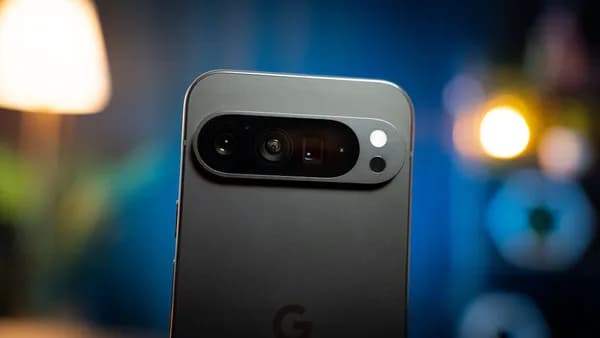
Pixel Glow is the rumored notification light strip embedded in the camera bar of Google’s upcoming Pixel 11 series. The feature first appeared in a Google I/O 2026 teaser during an AI video demo, where an unreleased phone lit up its rear camera housing with a distinct glow. This design matches leaks and renders that pointed to a luminous camera bar as the Pixel 11’s calling card.
Based on what’s visible in the demo and recent leaks, Pixel Glow isn’t just an accent—it’s a functional notification indicator. When calls, messages, or app alerts arrive, the camera bar is expected to emit a visible glow. Unlike the tiny single-color LEDs of old, this strip wraps around the main camera module, making alerts visible from more angles and greater distances—even if the phone is flipped over.
Concrete technical details remain scarce. Google hasn’t confirmed how the light strip is triggered, whether it reacts differently to various notification types, or if it can be customized. The feature could be more than a nod to nostalgia; it may represent a step toward more ambient, glanceable information on smartphones without waking the display or breaking user focus.
The teaser didn’t specify which Pixel 11 models will get Pixel Glow. It could be exclusive to higher-end variants, but the fact that it appeared during a main-stage demo suggests Google is serious about making it a headline feature.
How Does Pixel Glow Enhance User Experience Compared to Traditional Notification Lights?
Classic notification LEDs were small, often single-color, and easy to miss. On-screen alerts are bright but intrusive, and always-on displays sap battery life. Pixel Glow, by contrast, promises a notification method that’s both unmissable and less disruptive. When the camera bar glows, users can spot a missed call or message without flipping the phone or lighting up the entire screen. That’s especially useful for those who keep their phones face-down to reduce distractions or for privacy.
The aesthetic upgrade is hard to overstate. Instead of hiding alerts in a tiny corner, Pixel Glow makes them part of the Pixel 11’s visual identity. The luminous strip turns the camera bar—a design element Google has leaned into for multiple generations—into a functional notification canvas. It’s a blend of style and utility that could appeal to users tired of bland, undifferentiated hardware.
There’s also the potential for adaptive behaviors. If Google allows the light to signal different notification types with subtle variations—say, pulsing for calls, steady for messages—it could add a layer of nonverbal communication without relying on sound or vibration. But for now, the specifics of such customization remain unconfirmed.
What Does the Pixel Glow Design Reveal About Google’s Approach to Smartphone Innovation?
The glowing camera bar isn’t just a flourish. It underlines Google’s strategy of making hardware features serve multiple purposes. Past Pixels have framed the camera module as a visual anchor; Pixel Glow turns that anchor into an interface. This shift suggests Google is willing to blur the line between aesthetics and utility, carving out a signature look that’s as practical as it is distinctive.
The choice to debut Pixel Glow in an AI demo is telling. Google wants to associate the feature with its broader push into smart, adaptive hardware—where notifications are delivered in ways that fit context and minimize friction. The integration of light-based notifications could become a platform for future AI-driven interactions: imagine a phone that glows differently based on priority, sender, or even time of day.
Leaks suggest Pixel Glow may replace some hardware functions found in previous models, such as the temperature sensor, indicating Google’s readiness to swap niche features for those with broader everyday appeal. The result is a phone that stands out not just on a spec sheet, but at a glance.
How Might Pixel Glow Influence Future Smartphone Notification Designs?
If Pixel Glow proves popular, it could push other manufacturers to rethink their notification strategies. While the concept echoes illuminated notification solutions from other brands, Google’s decision to tie the light strip directly to the camera bar—and to showcase it in a flagship demo—raises the bar for integration and visibility.
A mini case study: previous attempts at notification lighting often felt tacked-on or secondary. The difference here is intent and execution. Pixel Glow, as teased, is a central part of the Pixel 11’s hardware story—not an afterthought. That could force rivals to consider more ambitious, design-led notification features, or to revisit the role of ambient hardware cues in user experience.
What remains unclear: the technical specifics, real-world battery impact, and user customization options. Google hasn’t committed to which models will get Pixel Glow or exactly how the feature will behave. Real-world testing and user feedback will ultimately decide whether Pixel Glow is a breakthrough or a gimmick.
The next thing to watch is Google’s official Pixel 11 announcement. If Pixel Glow delivers both form and function, expect it to spark a new wave of notification innovation—and maybe, finally, retire the tired blinking LED for good.
Why It Matters
- Pixel 11's glowing LED camera bar could bring back the utility of classic notification lights in a modern way.
- The design may help users stay aware of important alerts without constantly checking their screens, supporting healthier phone habits.
- Google's innovative hardware move sets the Pixel 11 apart in a smartphone market often dominated by incremental updates.